UL 3135 silicone wire for motor lead insulation in hot zones
Product Overview
Motor-related internal wiring can be challenging when lead paths pass through hot sections of the assembly. In those areas, buyers usually need more than a basic internal wire. They need a construction that can tolerate elevated temperature while still being flexible enough to install without creating unnecessary stress on the lead path.
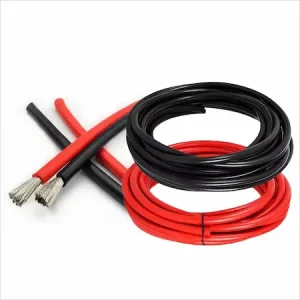
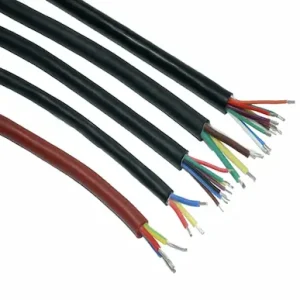
UL 3135 silicone wire is often considered for this kind of internal lead use because it combines high temperature capability with a softer, more workable insulation. That makes it useful in selected hot-zone sections where routing flexibility matters just as much as heat resistance.
Key Ratings
-
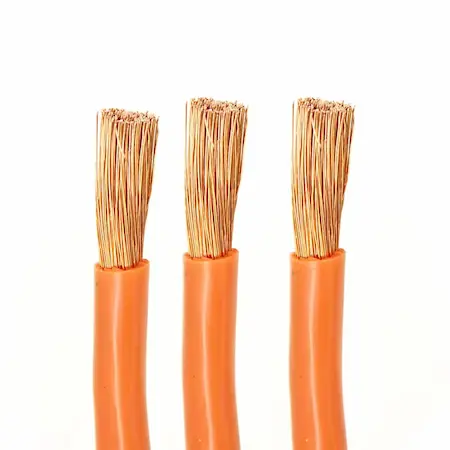
UL Style: UL 3135 (AWM, UL 758)
-
Temperature Rating: up to 200°C
-
Voltage Rating: 600V
-
Insulation: silicone rubber
-
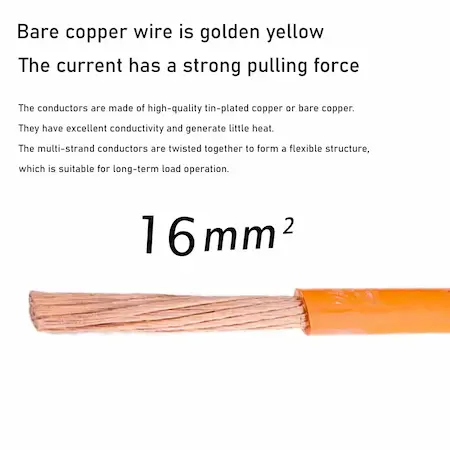
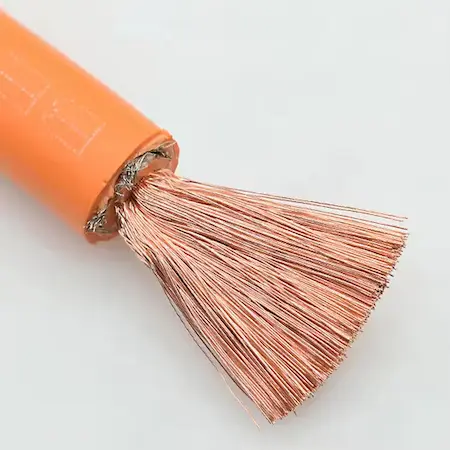
Conductor: stranded copper, tinned copper optional
Why Buyers Consider It for Hot-Zone Motor Leads
In many projects, the practical question is not simply “What wire can survive heat?” The more useful question is “What wire can survive heat and still be easy to install?” Motor assemblies often contain narrow spaces, structural obstacles, or movement-limited sections where a more flexible insulation is an advantage.
That is why UL 3135 is often evaluated for internal lead routing near warm components, coils, or adjacent heated sections. It is not presented here as a substitute for every dedicated motor lead standard, but it is a practical option for internal hot-zone lead work where its construction matches the application.
Typical Applications
-
Motor lead insulation in hot internal sections
-
Heat-exposed internal lead routing
-
Equipment assemblies with localized temperature buildup
-
Lead connections near coils or adjacent heated components
-
Flexible high temperature wiring in compact enclosures
Important Selection Notes
For motor-related use, buyers should always confirm the actual electrical, mechanical, and installation conditions of the application. Temperature, routing space, bend radius, and termination method all affect whether a wire style is suitable. In many cases, the final choice is based on the full assembly environment rather than temperature alone.
What Buyers Usually Confirm
-
Required conductor size
-
Whether tinned copper is preferred
-
Actual maximum operating temperature
-
Routing complexity and available space
-
Assembly method: crimping, soldering, or both
Explore More AWM Wire Options
-
UL 3135 Silicone Wire: https://cableapex.com/product-category/awm-wire/ul3135-silicone-wire/
-
UL 1332 FEP Wire: https://cableapex.com/product-category/awm-wire/ul1332-fep-wire/
-
UL 1007 Wire: https://cableapex.com/product-category/awm-wire/ul-1007-wire/
-
UL 10362 PFA Wire: https://cableapex.com/product-category/awm-wire/ul10362-pfa-wire/
-
Mica & Fiberglass High Temperature Wire: https://cableapex.com/product-category/awm-wire/mica-fiberglass-high-temperature-wire/