UL 2468 Flat Ribbon Cable Overview
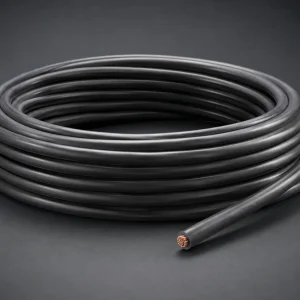
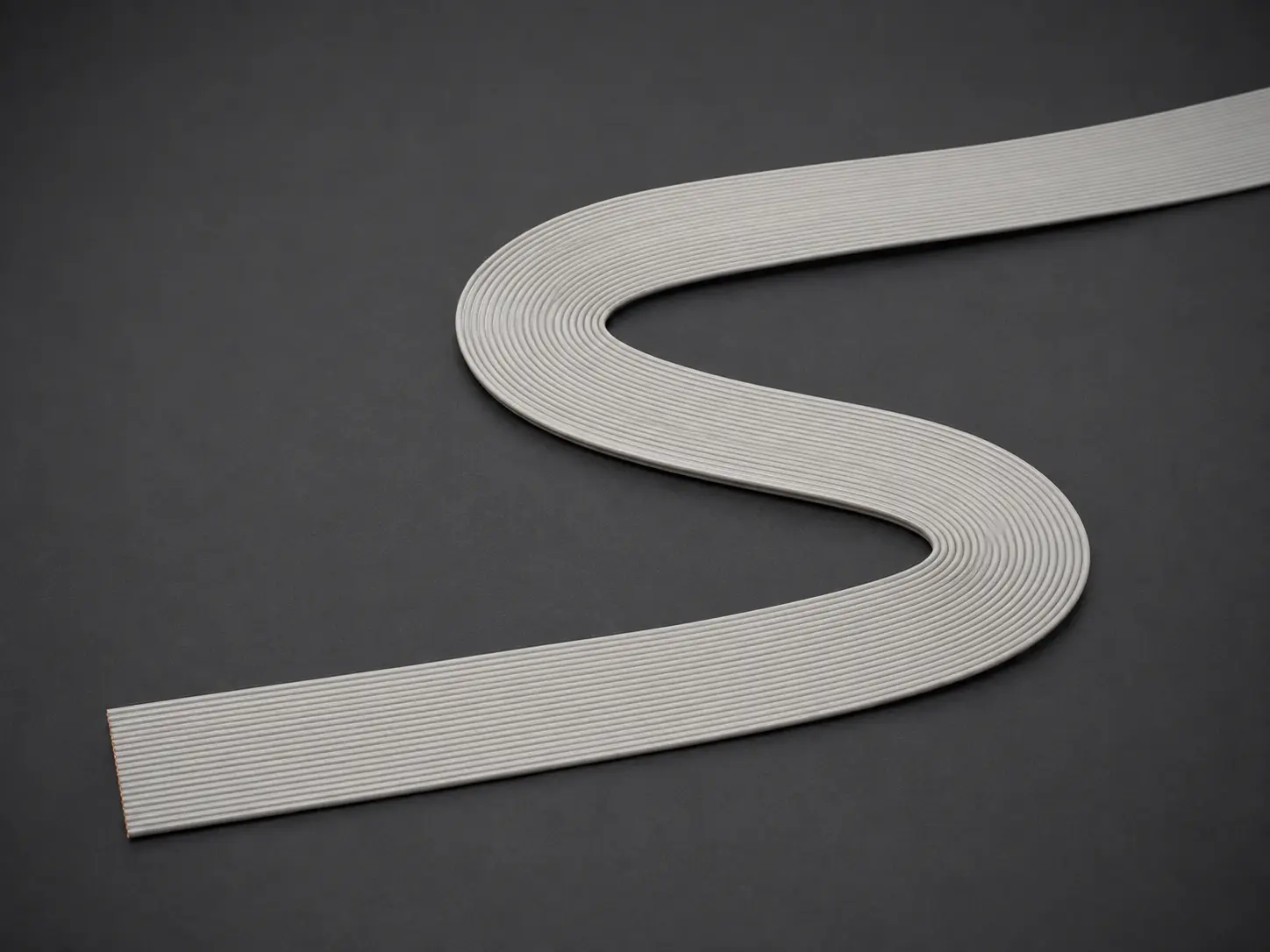
UL AWM Style 2468 is a flat ribbon cable construction, supplied by CableApex as a factory-direct manufacturer, built from 2 to 150 insulated copper conductors laid parallel and in one plane. The cable is rated 80°C and 300 Vac. This is a genuinely different architecture from a conventional round multi-conductor cable — the parallel, single-plane arrangement is the defining feature of Style 2468 and the reason it belongs in Special Application Cable rather than the round-cable Multi-core Cable category. Conductor count, AWG, conductor finish, and optional features are confirmed according to the ordered specification.
Flat Parallel Conductor Construction
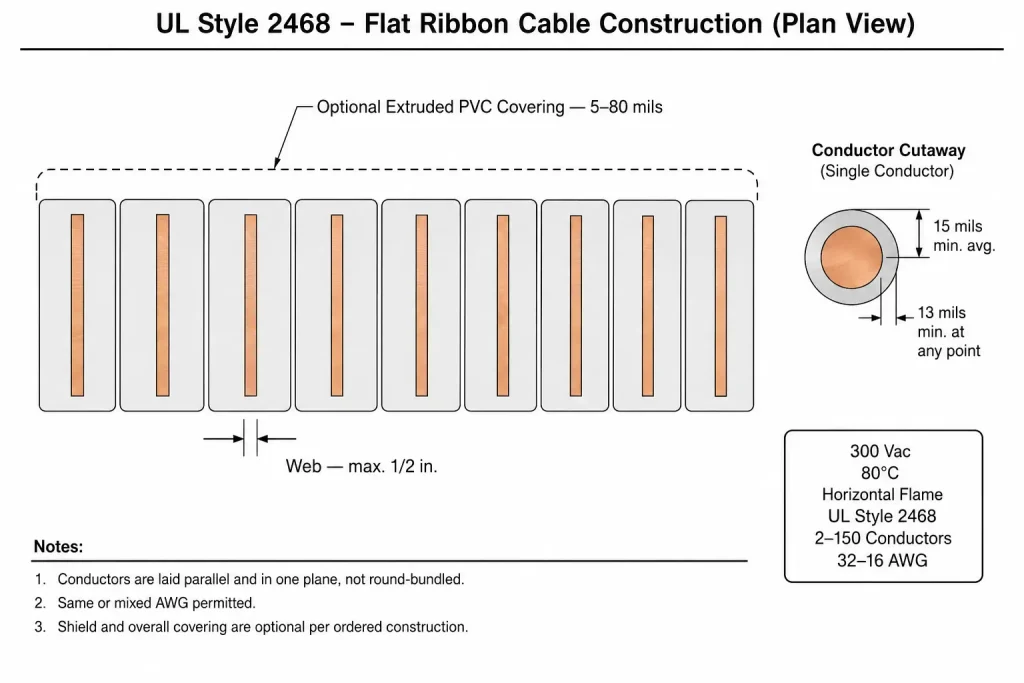
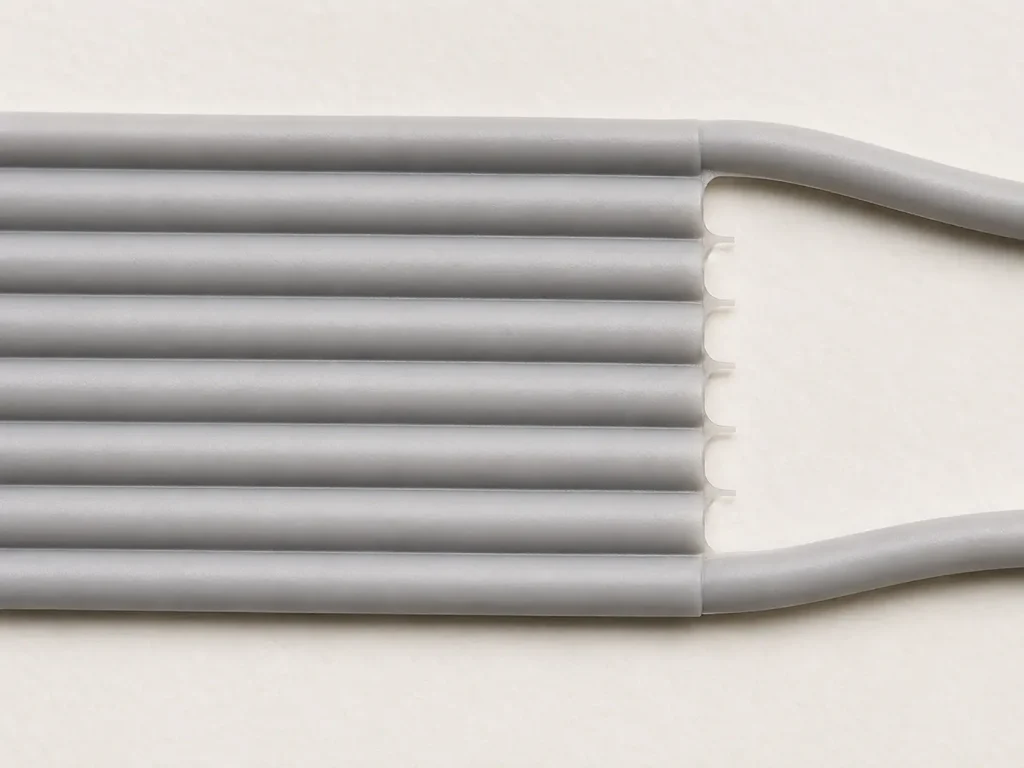
UL 2468 conductors are laid parallel and in one plane, forming a flat ribbon rather than a round or twisted bundle. Same or mixed AWG conductors may be used within the permitted Style range, allowing different circuit requirements to be combined into a single ribbon assembly. This page does not claim controlled impedance, a defined pitch for IDC connectors, superior flexibility, high-speed data transmission, differential-pair performance, or EMI reduction — none of these are established by the Style-level record, and UL 2468 flat ribbon cable is not positioned here as a computer ribbon, IDE, SCSI, or data bus cable.
UL 2468 Technical Specifications
| Parameter | UL Style 2468 |
|---|---|
| UL Subject / Section | 758, Section 2 |
| Cable Construction | Flat ribbon cable |
| Rated Temperature (Maximum) | 80°C |
| Voltage Rating | 300 Vac |
| Flame Rating | Horizontal flame |
| Number of Conductors | 2–150 |
| Conductor Size | 32 AWG – 16 AWG |
| Conductor Material | Copper |
| Conductor Finish | Tinned or bare |
| Conductor Construction | Solid or stranded |
| Arrangement | Conductors laid parallel and in one plane; same or mixed AWG permitted |
| Insulation | Extruded PVC, 15 mil min. average / 13 mil min. at any point |
| Maximum Web Between Conductors | 1/2 inch |
| Shield | Optional |
| Covering | Optional, extruded PVC, 5 mil min. at any point / 80 mil max. |
| Marking | General |
| Use | Internal wiring |
| Optional Oil Designation | 60°C or 80°C, construction-dependent |
| RoHS / REACH | Confirmed during quotation according to ordered materials and documentation requirements |
2–150 Conductors and 32–16 AWG Options
UL Style 2468 permits between 2 and 150 conductors within one flat ribbon assembly, each within the 32 AWG–16 AWG range. Conductor count is selected according to your equipment interconnection requirement — this page does not present fixed stock configurations such as a 10-conductor or 26-conductor ribbon as guaranteed standard items; any specific conductor count and AWG combination should be confirmed at the time of quotation. Same or mixed AWG conductors may be used within a single assembly, allowing circuits of different current or signal requirements to be combined into one ribbon. Conductors are supplied tinned or bare copper, solid or stranded, per the ordered specification.
PVC Insulation and Optional Covering
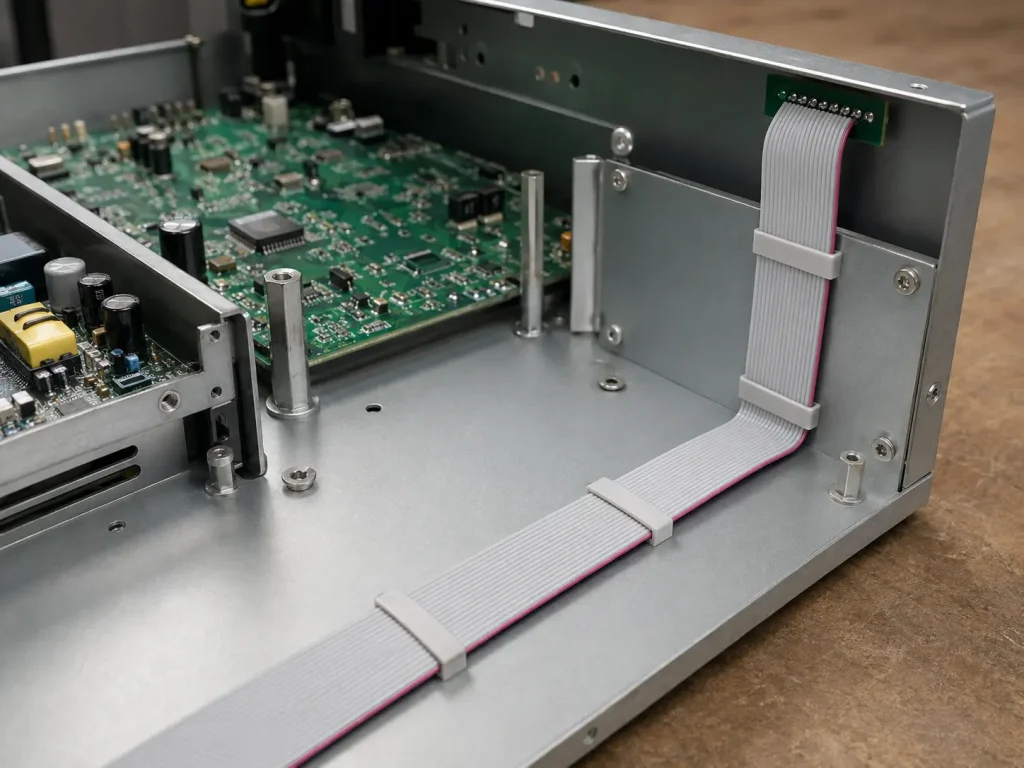
Each conductor is insulated with extruded PVC at a minimum average thickness of 15 mils and a minimum of 13 mils at any point. The UL construction requires that insulation thickness after ripping or separation of conductors retains these same minimum construction limits — the ribbon design permits conductor separation according to the qualified cable design, but this page does not promise that every conductor can be manually torn apart without a tool or that separation is possible under any handling condition. The maximum web between insulated conductors is 1/2 inch.
An optional extruded PVC covering may be applied over the assembly, at 5 mils minimum thickness at any point up to 80 mils maximum. This covering is optional — the base ribbon cable may be supplied without it where the qualified construction allows. A shield is likewise optional; shield material, coverage, and construction are not established by the Style-level record and are confirmed according to the ordered specification if required.
Internal Wiring Applications
UL Style 2468 is designated for internal wiring. Appropriate application language for this page includes electronic equipment internal wiring, internal equipment interconnections, internal parallel conductor routing, and internal connections requiring a flat ribbon architecture. This page does not promote the product as building wire, branch circuit cable, field wiring, tray cable, conduit cable, direct-burial or outdoor cable, power distribution cable, automotive battery cable, EV cable, solar cable, or aerospace cable.
UL 2468 vs Conventional Round Multi-Conductor Cable
UL 2468’s parallel, single-plane conductor arrangement differs from a conventional round multi-conductor cable, where conductors are typically grouped or cabled into a round assembly. Neither architecture is universally superior — selection depends on your equipment geometry, available routing space, connector architecture, required conductor count and AWG, and the internal wiring specification for your application. This page does not make performance comparisons between the two architectures beyond this structural distinction.
What to Specify When Ordering UL 2468 Ribbon Cable
To provide an accurate quotation for UL 2468 flat ribbon cable, please specify:
- Number of conductors (within the 2–150 range)
- AWG for each conductor (within the 32–16 AWG range)
- Whether all conductors use the same AWG or mixed AWG
- Bare or tinned copper
- Solid or stranded conductor
- Shield requirement, if any
- Optional PVC covering requirement, if any
- Oil-rated construction requirement, if applicable
- Required overall width or available installation space
- Conductor identification / colour requirement
- Order quantity
- Packaging requirement
- UL marking requirement, if applicable
- Documentation requirements, including RoHS / REACH if needed
- Equipment / internal-wiring application
- Shipping destination
Because finished ribbon width depends on conductor count, AWG, and actual web dimension, we do not calculate or publish a nominal width or thickness on this page — if dimension is critical to your design, please provide your required overall width or equipment space limit with your enquiry. Send this information and we respond with a quotation within 12 business hours. Production lead time depends on the confirmed construction and order quantity, and shipping options and applicable Incoterms are confirmed during quotation according to destination.
UL Marking and Documentation
Qualifying UL AWM Style 2468 constructions can be supplied through the relevant qualified manufacturing scope for this Style. Because the product may vary by conductor count, AWG combination, conductor finish, conductor construction, optional shield, optional PVC covering, and optional oil designation, UL marking and documentation are confirmed according to the qualified ordered Style 2468 construction rather than presented as identical across every configuration. RoHS and REACH are separate regulatory frameworks from UL recognition; applicable RoHS / REACH documentation requirements can be confirmed according to the ordered construction.
Browse our full Special Application Cable category for related constructions.