UL 3172 as an Internal Lead in Electric Heater Assemblies
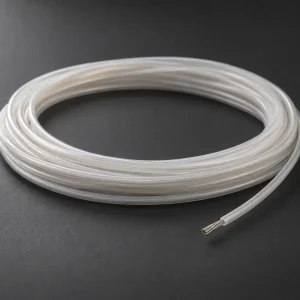
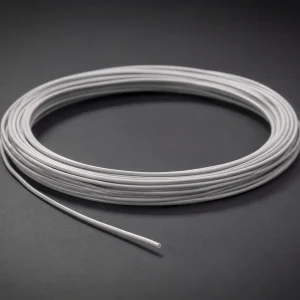
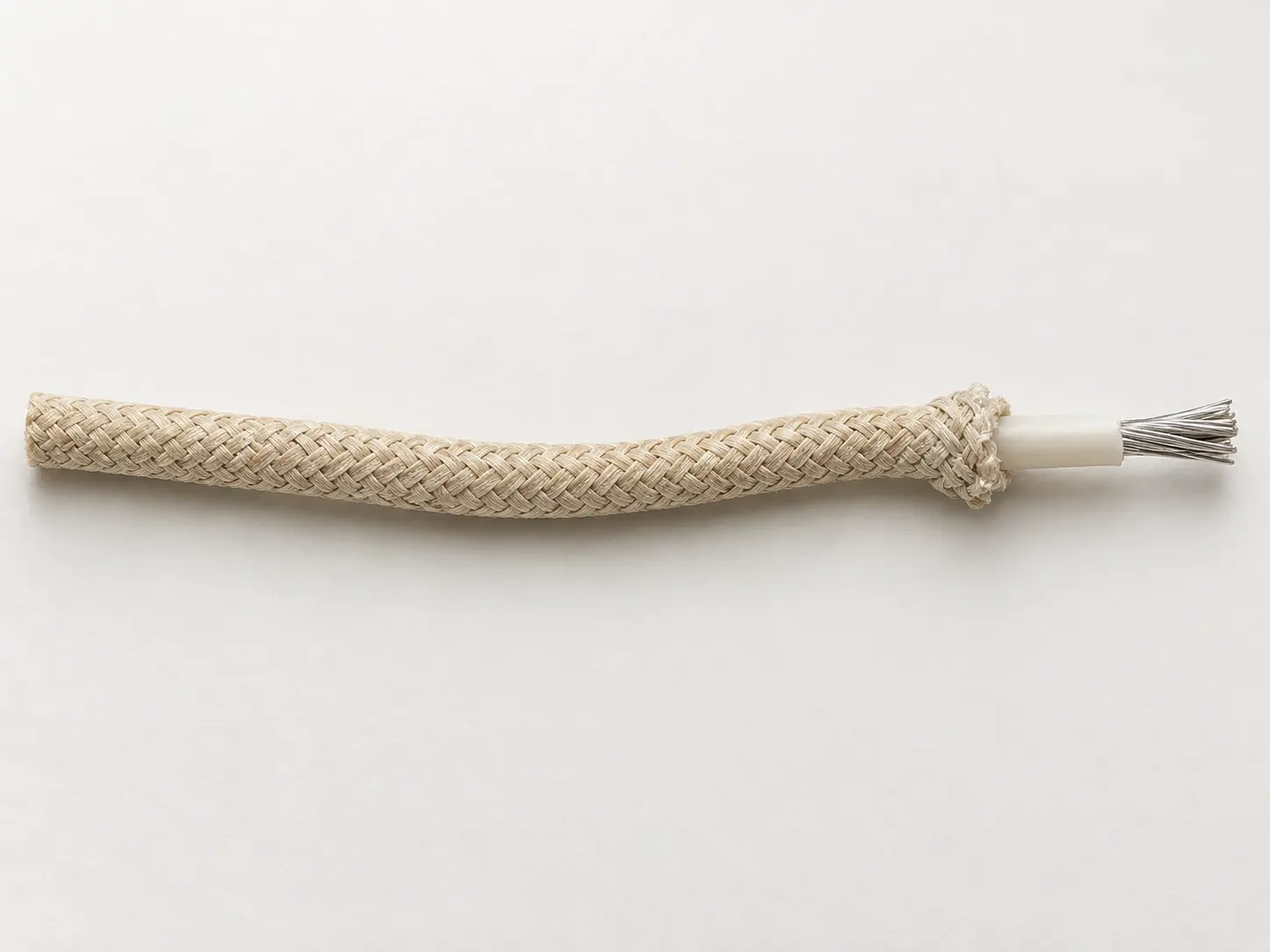
UL AWM Style 3172 is a single conductor with extruded insulation and a non-extruded covering, rated 200°C and 600 Vac with Horizontal Flame, across a 26 AWG through 18 AWG conductor range in solid or stranded form. The insulation is extruded silicone rubber; the covering is one or more glass or aramid braid fibrous coverings.
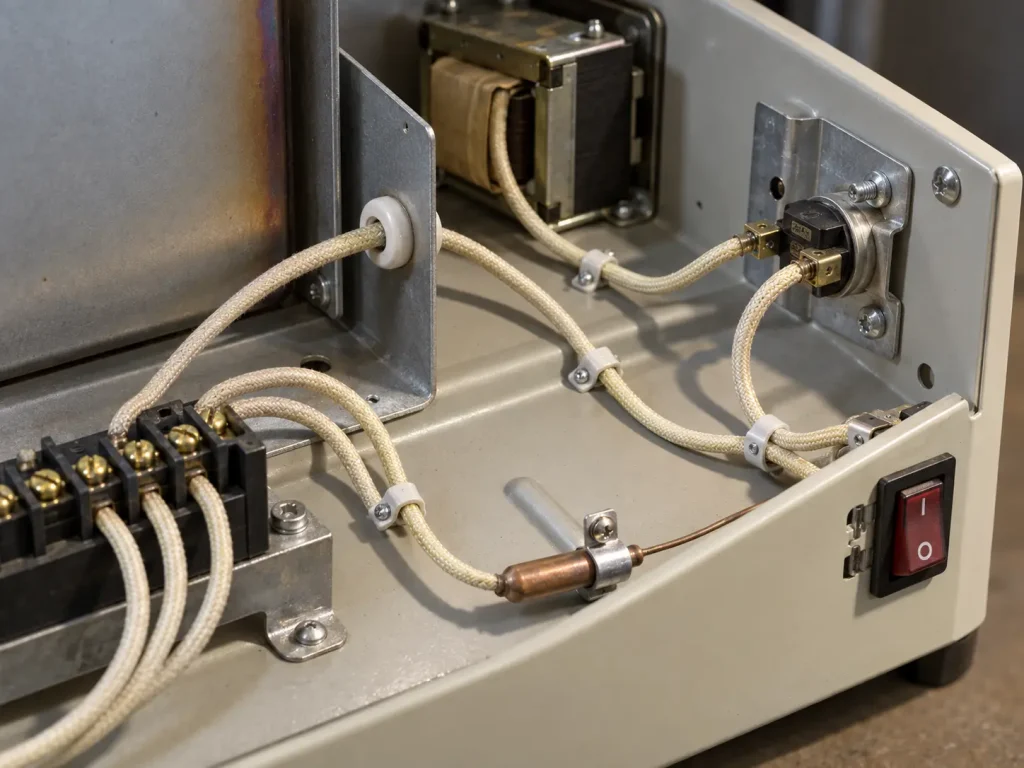
This page is for buyers sourcing that construction as an internal lead in an electric heater appliance or heater assembly, where the equipment design calls for Style 3172. The official Use for Style 3172 is internal wiring of appliances. Electric heater assemblies are the practical equipment context selected for this page, not UL wording, and the Style record names no appliance type.
This Is Lead Wire, Not Resistance Heating Wire
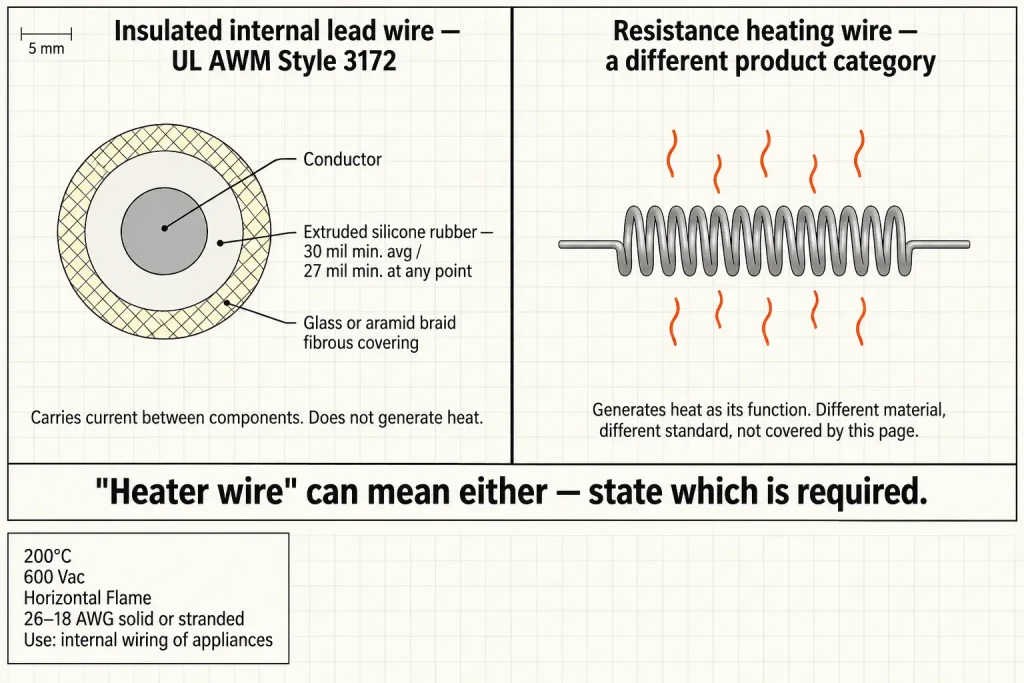
Worth settling before anything else, because the term “heater wire” carries two unrelated meanings in sourcing conversations.
Style 3172 is an insulated AWM internal lead wire. Its function is to carry current between components inside the appliance. It is not resistance heating wire, it is not the heating element, and it does not generate heat as part of its function — the product description defines it as a conductor with extruded insulation and a non-extruded covering, which is the description of an insulated lead.
An enquiry for “heater wire” that actually means resistance heating material is asking for a different product category entirely, with different properties, different standards and a different supply route. Saying explicitly that the requirement is an insulated internal lead removes a common and expensive round of clarification.
Nothing on this page should be read as describing direct contact with a heating element or use inside exposed heater coils. Where the lead’s position relative to a heating element matters, that comes from the equipment design, and no clearance distance from a heating element is stated here.
Verified UL Style 3172 Construction
| Parameter | Style-level information |
|---|---|
| UL AWM Style | 3172 |
| Construction | Single Conductor with Extruded Insulation and Non-Extruded Covering |
| Temperature rating | 200°C |
| Voltage rating | 600 Vac |
| Flame | Horizontal Flame |
| Conductor size range | 26 AWG–18 AWG |
| Conductor form | Solid or Stranded |
| Insulation | Extruded Silicone Rubber |
| Minimum average insulation thickness | 30 mils |
| Minimum thickness at any point | 27 mils |
| Covering | Same as Type SF-2 Fixture Wire; one or more glass or aramid braid fibrous coverings |
| Marking | General |
| Official Use | Internal wiring of appliances |
The two insulation figures are separate requirements: 30 mils governs the average across the wall, 27 mils sets a floor at every individual point on it. Both belong in a specification, and quoting only the average leaves the second unstated.
Everything in the table is Style-level information. It describes what the construction is, and it does not extend to how long any construction lasts, how it behaves over repeated thermal cycling, or how it compares with other wire — none of which the Style record addresses, and none of which is claimed here.
The 200°C Rating Is a Wire Rating
Style 3172 is rated 200°C. The Style record does not use the word continuous, and neither does this page — “200°C rating” is the accurate form.
The figure applies to the wire and to nothing else in the appliance. It does not establish the allowable temperature of a heating element, the heater enclosure or the surrounding air, and it does not indicate a permitted proximity to any heat source. Those are equipment design determinations made against the appliance’s own thermal analysis, and no thermal-cycle life or maximum heater temperature appears on this page.
600 Vac and Flame Classification
The voltage rating is 600 Vac, stated as an AC rating rather than a generic 600V. It is not restated as a DC, peak, impulse or dielectric test value without separate documentation.
The Style-level flame designation is Horizontal Flame. VW-1 is a separate classification and is not claimed here; Horizontal Flame is not silently converted into it. Where a specification requires vertical flame performance, that is order- and construction-specific and separately confirmed.
Handling the 26–18 AWG Range in Procurement
26–18 AWG is the range the Style permits. No gauge inside it is universally correct for heater assemblies, and none is recommended here.
The required conductor size comes from the equipment design or the customer specification. No ampacity value is published on this page and no current-carrying capacity is inferred from AWG, because the Style record establishes neither. Where the heater circuit’s load determines the size, that determination belongs to the appliance design and reaches the enquiry as a stated size rather than as a figure to be worked out from the Style number.
Style-Level Information Versus Order-Specific Information
This distinction runs through every section below, and it is the practical reason a Style number alone cannot be quoted against.
Style 3172 establishes the construction and rating boundaries in the table above. It does not establish conductor material, conductor plating, detailed strand construction, finished OD, OD tolerance, conductor resistance, current rating, colour, cut length, terminal type, connector, reel length or packaging. Each of those belongs to an ordered construction, a customer drawing or a verified SKU specification.
On conductors specifically: the Style requirement covers the AWG range and the solid or stranded form, and nothing more. Copper, tinned copper, bare copper, nickel-plated copper and silver-plated copper are none of them established at Style level, and no strand count, strand diameter, conductor diameter or lay length is stated here. Where the design controls conductor material or finish, it is an RFQ confirmation field.
Glass and Aramid Fibrous Coverings
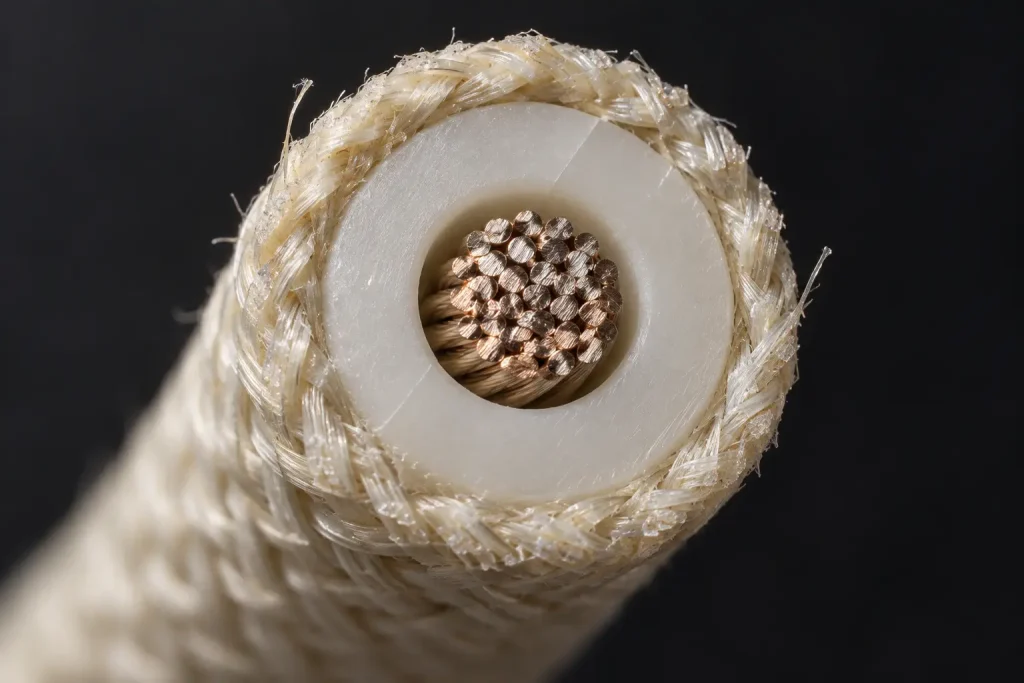
Style 3172 permits one or more glass or aramid braid fibrous coverings, following the covering construction referenced for Type SF-2 fixture wire. Both the fibre and the number of layers are variables inside that requirement.
This page discusses a glass-braid version in commercial terms because glass fibrous braid is one permitted Style 3172 covering. That is not a statement that every Style 3172 wire uses fiberglass — aramid fibrous braid is equally permitted, and neither is described here as superior to the other. Where the braid material is controlled by the drawing or an existing specification, the ordered construction must be confirmed.
The covering is a covering, not armour, and no quantified abrasion resistance, cut resistance, tensile strength, mechanical life or service life is attributed to it. The Style record establishes the covering construction, not those properties.
Dimensional Confirmation
The 30 mil and 27 mil insulation requirements do not produce one universal finished outside diameter. The covering construction affects the result and is itself variable, so no finished OD is published here and none is derived from the wall figures.
Heater assemblies often control dimensions through the drawing. Where they do, state the maximum OD, routing clearance, terminal-entry dimensions, clip dimensions, stripping dimensions or any other drawing-controlled dimension, taken from the approved construction.
Termination and Lead Preparation
Whether the requirement is bulk wire or a prepared lead changes the scope of a quotation, and stating it early avoids quoting the wrong thing.
Where the requirement goes beyond bulk wire, supply the cut length, stripped-end dimensions, terminal type, connector interface and lead preparation requirements. Cut-to-length wire, preinstalled terminals and completed harness assemblies are not presented here as automatically available; each is confirmed separately for the order.
Substitution and Related Styles
Different UL Styles have different constructions, and selection has to be based on the equipment specification and the required Style rather than on a temperature figure.
Matching a wire on the basis that it is 200°C, 600V, silicone insulated and braided in appearance does not establish equivalence with a Style 3172 construction. A meaningful comparison covers the required Style, the AWG, the conductor requirements, the insulation construction, the fibrous covering, the dimensions, the termination interface, the marking and the equipment drawing requirements.
No other Style is treated here as automatically interchangeable with Style 3172, and no Style is described as becoming necessary simply because a thermal condition is characterised as more severe. Any alternative construction requires independent engineering evaluation against the appliance design.
What UL Style 3172 Does Not Define
- Conductor material and conductor plating
- Strand count, strand diameter and lay length
- Conductor resistance and ampacity
- Finished OD and OD tolerance
- Colour
- Cut length, terminal type and connector
- Reel length and packaging
- MOQ, stock and lead time
Each must be established from the ordered construction, the customer drawing or a verified SKU specification.
Common RFQ Mismatches
- “UL3172 heater wire” requested with no AWG. The Style spans 26–18 AWG.
- Insulated lead wire confused with resistance heating wire. Two different product categories.
- Tinned copper assumed for all Style 3172 wire. Conductor material is not set at Style level.
- Fiberglass assumed to be the only permitted covering. Aramid braid is equally permitted.
- Finished OD assumed to follow from the Style. The covering affects it and varies.
- Termination requirements omitted. Bulk wire and prepared leads are different scopes.
- 200°C read as a permitted element or enclosure temperature. It is a wire rating.
- Packaging or reel length assumed to be part of the Style. Neither is defined by it.
Each leaves the request matching more than one qualified construction, or matching a different product category altogether.
RFQ Checklist
- UL AWM Style 3172 requirement
- AWG within 26–18 AWG
- Solid or stranded form
- Required conductor material and finish
- Detailed stranding, if controlled
- Required covering construction
- Dimensional limits, if controlled
- Colour
- Equipment type
- Routing location within the assembly
- Cut length, if applicable
- Stripping requirements
- Terminal or connector interface
- Marking requirements
- Quantity
- Packaging requirement
- Destination
- Required compliance documentation
These are RFQ inputs, not options presented as automatically available.
UL Marking and Documentation
Material is supplied as UL-recognized component wire where supplied under qualified manufacturing scope, and UL marking is applied according to the confirmed ordered construction. The Style-level marking designation is General.
CSA, FT1 and dual UL / CSA recognition are not claimed here; any additional certification depends on the ordered construction. Applicable RoHS / REACH documentation can be confirmed according to the ordered construction.
Application Boundary
Style 3172 is appliance-internal component wire. It is not building wire, field wiring, branch-circuit wiring, tray wiring, conduit wiring, portable cord, external power cable, facility wiring or general power distribution cable.
Electric heater internal wiring is equipment-specific procurement context sitting inside the official Use of internal wiring of appliances. It does not extend that Use.