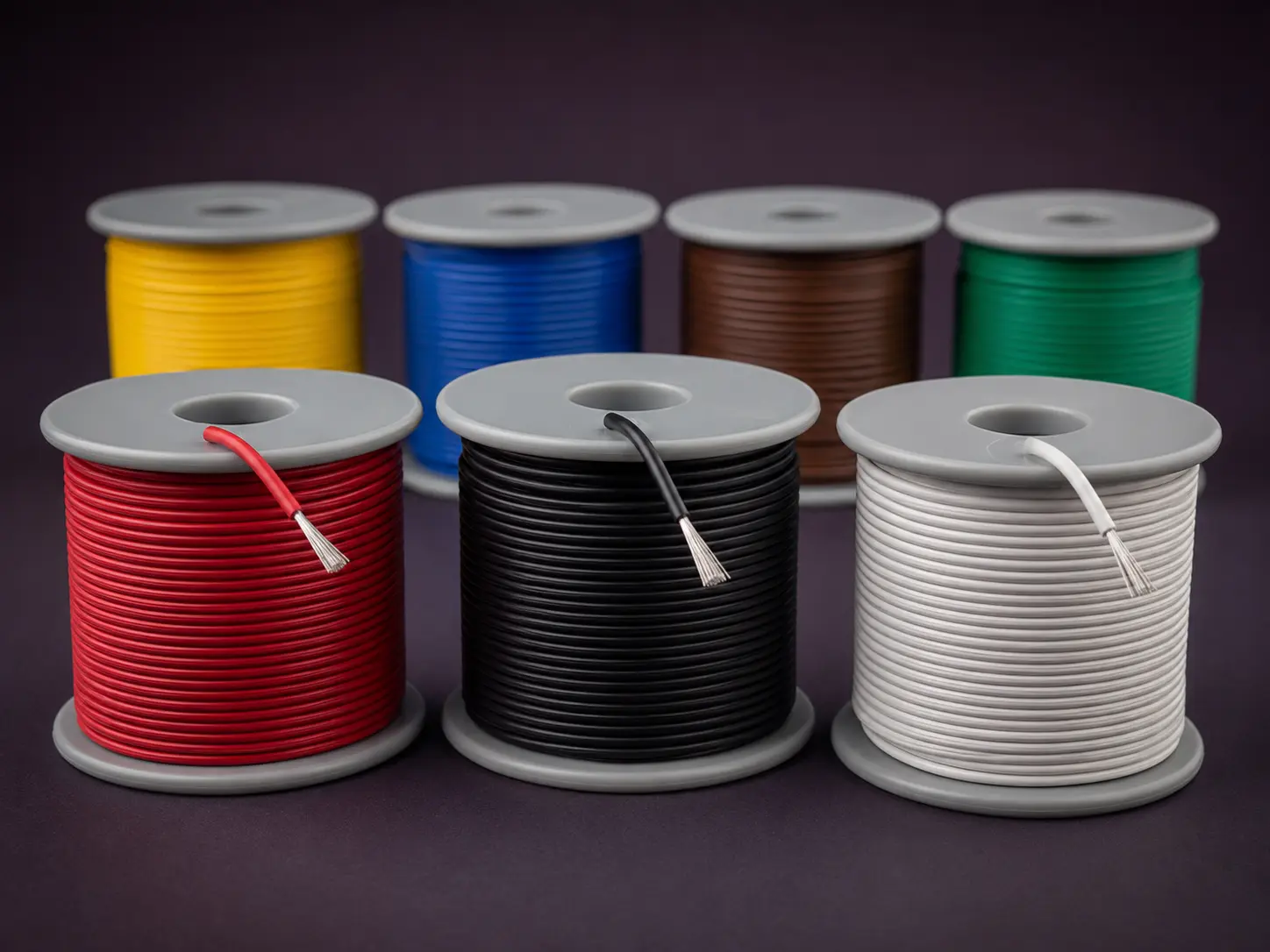
UL 1007 20 AWG — Selected Stranded Tinned-Copper Construction
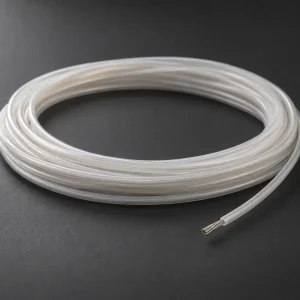
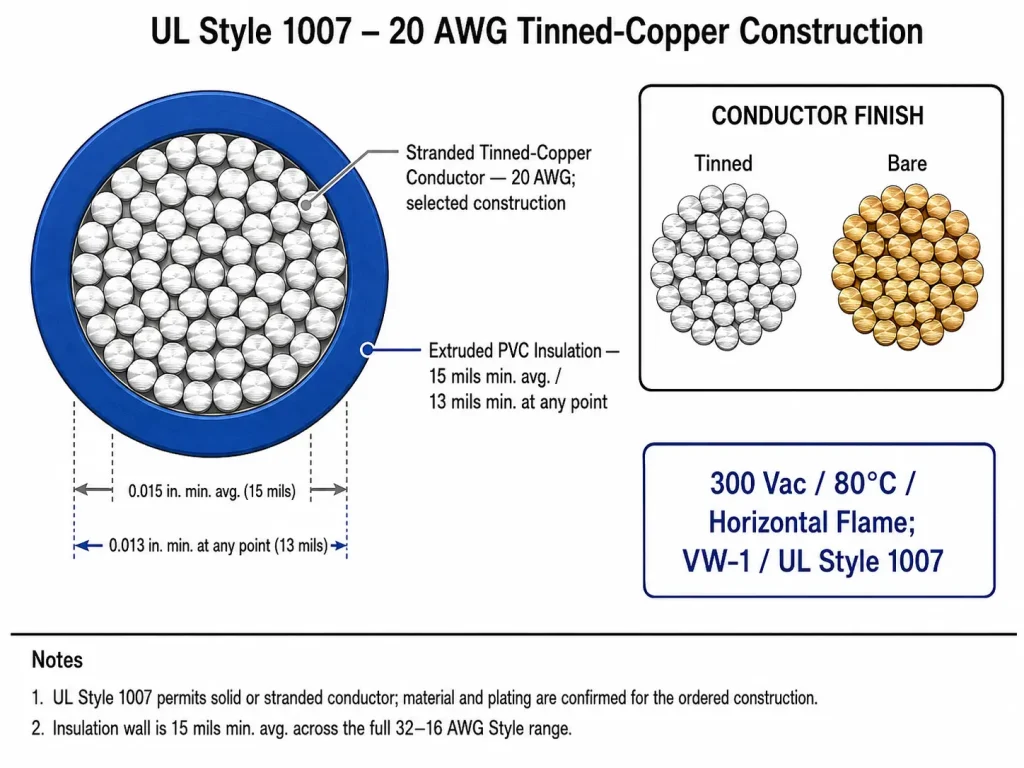
This page covers UL AWM Style 1007 supplied at 20 AWG with a selected stranded tinned-copper conductor. The tin plating is the commercial differentiation here: buyers specify it where the assembly process includes soldering steps, where wire is held in stock for a period before use, or where a tinned conductor is written into the equipment build specification.
UL Style 1007 itself permits either solid or stranded conductor and does not define a conductor material or plating, so this is a factory construction choice rather than a Style requirement. The full Style range is 32 AWG through 16 AWG, rated 80°C at 300 Vac with extruded PVC insulation at 15 mils minimum average and 13 mils minimum at any point. The stated use is internal wiring of appliances. For other conductor sizes and finishes, see UL 1007 Wire.
UL AWM Style 1007 — Specifications
| UL AWM Style | 1007 |
| UL Subject / Section | 758, Section 1 |
| Temperature rating | 80°C |
| Voltage rating | 300 Vac |
| Conductor range (Style scope) | 32 AWG – 16 AWG, solid or stranded |
| Conductor (this page) | 20 AWG, selected stranded tinned-copper construction |
| Insulation | Extruded PVC |
| Minimum average insulation thickness | 15 mils (0.38 mm) |
| Minimum insulation at any point | 13 mils (0.33 mm) |
| Optional construction | 60°C or 80°C Oil — optional, depends on the qualified ordered construction |
| Flame rating | Horizontal flame; VW-1 vertical flame test available |
| Marking | Per UL Subject 758 marking requirements; confirmed for the qualified ordered construction |
| Use per UL Style file | Internal wiring of appliances; tags may indicate 600 V Peak — For Electronic Use Only |
| RoHS / REACH | Requirements confirmed according to ordered materials and documentation requirements |
The 600 V Peak statement is an optional tag marking for electronic-use conditions rather than the working voltage rating. The normal product voltage is 300 Vac.
Why Tinned Copper Is Specified
Tin plating on the conductor surface addresses a narrow set of practical production concerns. It is worth specifying where one or more of the following applies to your process:
- Storage and handling. Tin plating helps reduce surface oxidation on the conductor during storage and handling before the wire reaches the assembly stage. This matters most where wire is purchased in volume and drawn down over an extended period.
- Soldering processes. Where the assembly includes soldering and a tinned conductor is preferred by the process, this construction is the relevant option. Tinned surfaces may provide more consistent solder wetting in appropriate production processes than a bare surface whose condition varies with age.
- Mixed crimping and soldering. Harness builds that combine crimped terminations at one end with soldered joints at the other often standardise on a tinned conductor across the whole build rather than stocking two finishes.
- Specification requirement. Some equipment build specifications call for a tinned conductor at particular lead positions. Where that is written into your specification, this construction meets it.
Tin plating is a construction choice rather than a performance guarantee. Where the termination method is crimp or screw terminal and the wire is consumed shortly after receipt, a bare conductor construction may be equally suitable — confirm the requirement against your own assembly process at enquiry.
Appliance Internal Wiring Applications
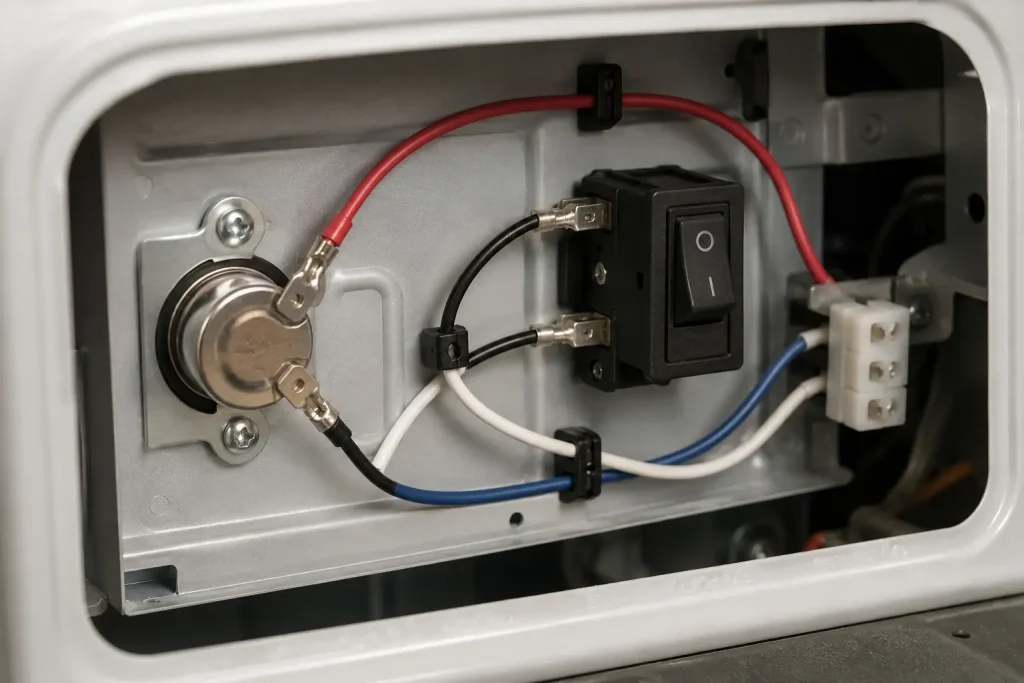
The UL Style 1007 file states the use as internal wiring of appliances. At 20 AWG, 80°C and 300 Vac, this tinned-copper construction is typically specified for:
- Appliance internal wiring harnesses assembled for installation within the appliance housing
- Protected internal lead connections between components inside the appliance assembly
- Switch leads inside appliance assemblies
- Lead connections to thermal-protection components inside appliance assemblies
- OEM appliance harness production where 20 AWG tinned copper is a repeated lead specification across the build
Application suitability is not established by the voltage being below 300 Vac. It depends on the equipment, the routing arrangement, the ordered construction and the applicable equipment-level evaluation. UL Style 1007 is not supplied or positioned as control panel wiring, industrial control wiring, field wiring, building wire, external wiring, motor lead wire or power cable.
Processing Notes for Harness Production
UL 1007 20 AWG tinned copper wire can be supplied for OEM harness production where the finished assembly uses the wire as appliance internal wiring. Where harness processing is part of your operation, settle the following at enquiry:
- Cutting. Fixed-length cutting can be arranged where the assembly uses repeated lead lengths. Specify the required tolerance.
- Stripping. Confirm the insulation dimensions so stripper settings can be calibrated to the actual ordered construction.
- Crimping. Confirm the terminal hardware so the conductor construction can be checked against the crimp barrel range for the selected terminals.
- Soldering. The tinned conductor construction on this page is the relevant option where soldering is part of the process.
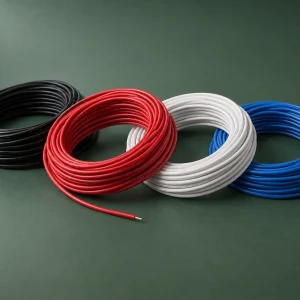
- Colour identification. Send the colour list with quantity per colour rather than a single total.
- Reel and spool supply. Confirm the format and length your assembly line works with.
Supplying wire for harness production does not change the Style boundary — the finished assembly must be used as appliance internal wiring.
Optional Oil Construction
UL Style 1007 permits an optional 60°C or 80°C Oil construction. Not all UL 1007 wire carries this. Where oil performance is required at the wire location, the optional construction must be specified at enquiry and depends on the qualified ordered construction. Confirm the requirement and the applicable marking before production.
UL Marking and Order Documentation
CableApex supplies UL AWM Style 1007 construction from factory production. UL marking and Style-specific documentation depend on the qualified ordered construction, and both should be confirmed during quotation. Where RoHS, REACH or other documentation is required, specify the requirement at enquiry so availability can be confirmed for the ordered materials and construction.
Buyer Checklist for Quotation
Send the following so a quotation can be prepared against a defined construction:
- 20 AWG confirmation
- Stranded construction confirmation
- Tinned-copper requirement
- Required strand construction, if your assembly specifies one
- Insulation colour, with quantity per colour
- Total quantity
- Reel or spool length
- Cut length and tolerance, if applicable
- Stripping requirement
- Crimping or soldering process used in the assembly
- Marking requirement
- Documentation requirement
- Destination
Related UL AWM Styles
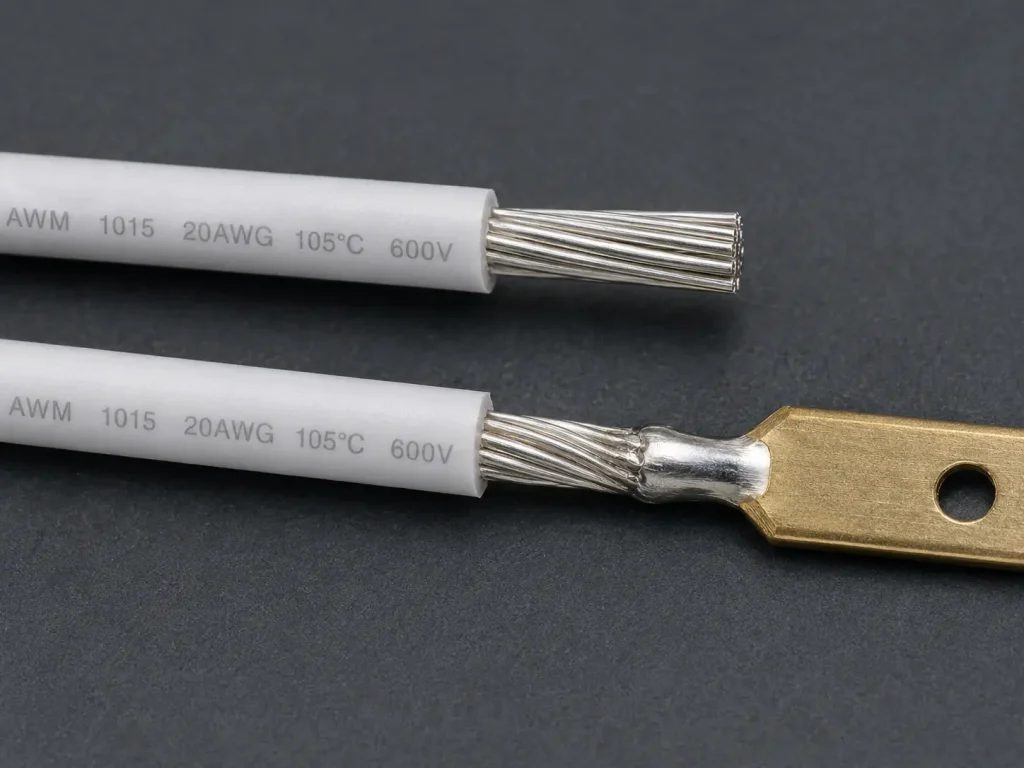
Buyers specifying UL 1007 20 AWG tinned copper may also consider: UL 1007 Wire for the full 32–16 AWG Style range and other conductor sizes and finishes; and UL 1015 PVC Wire (80–105°C / 600 Vac or 750 Vdc, extruded PVC, 30 AWG–2000 kcmil, 30 mils min avg wall — the higher-rating PVC Style where 300 Vac or 80°C is insufficient, or where conductor sizes below 16 AWG are required). The wider ranges are available under PVC Insulated Wire and AWM Wire.