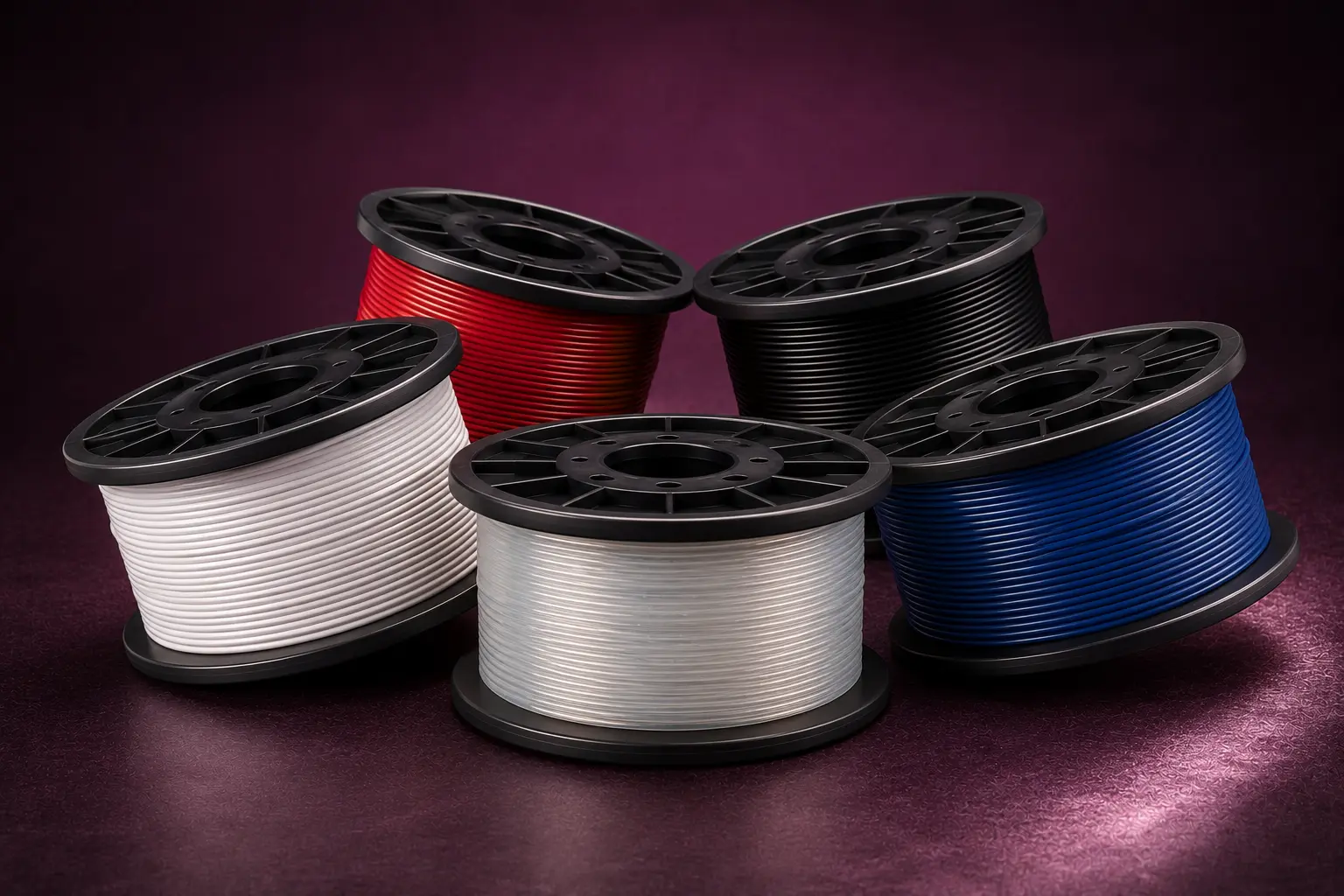
UL 1330 FEP Appliance Wire 20 AWG — Melt-Extruded Fluoropolymer Insulation Rated 200°C at 600 Vac
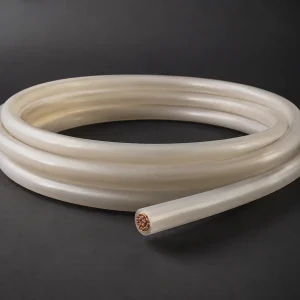
UL 1330 in 20 AWG is a single-conductor appliance wiring material insulated with extruded FEP, rated 200°C maximum at 600 Vac with a horizontal flame rating. At 20 AWG the insulation falls in the style’s 30–10 AWG bracket at 20 mils minimum average thickness, 18 mils minimum at any point — a wall that on a fine conductor produces a well-protected, dimensionally stable wire without the bulk of a heavier-bracket construction. CableApex supplies UL 1330 20 AWG as a UL Recognized Component — file on record.
Why FEP Rather Than PTFE or PVC
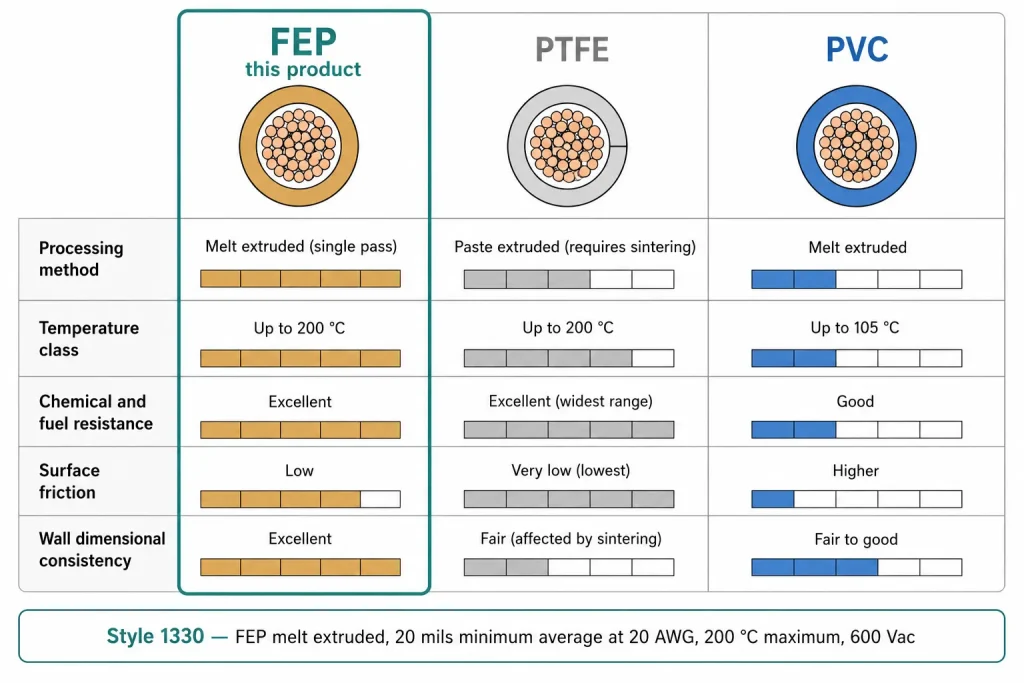
FEP — fluorinated ethylene propylene — belongs to the same fluoropolymer family as PTFE and shares most of its useful properties: chemical inertness across a broad range of solvents, fuels and lubricants; a low dielectric constant that limits capacitive coupling between adjacent conductors; a low coefficient of surface friction that helps the wire slide through conduit and harness passages during assembly; and stable mechanical properties across a wide temperature span. The critical practical difference is processing. PTFE cannot be melt-extruded and must be applied to the conductor as a wrapped tape and sintered, which leaves a seam and constrains how tightly the wall dimension can be controlled. FEP is melt-processable and is extruded conventionally, producing a continuous seamless wall with tighter and more repeatable dimensional tolerances. For a 20 AWG conductor where the insulation is 20 mils thick, that consistency directly affects how predictably the wire performs in an automated stripping and termination process.
Material Property Comparison at 20 AWG
| Property | FEP (this product) | PTFE | PVC |
|---|---|---|---|
| Processing method | Melt extruded, seamless | Tape wrapped and sintered | Melt extruded |
| Typical AWM temperature class | 150–200°C | 250°C and above | 80–105°C |
| Chemical and fuel resistance | Very high | Very high | Limited |
| Surface friction | Low — pulls easily | Low | Moderate to high |
| Wall dimensional consistency | High | Seam present | High |
UL 1330 20 AWG Specifications
| Item | Specification |
|---|---|
| UL Style | 1330 — insulated wire |
| Temperature Rating | 200°C maximum |
| Voltage Rating | 600 Vac |
| Conductor | 20 AWG, solid or stranded (style range 30 AWG–4/0 AWG) |
| Insulation | FEP, 20 mils minimum average thickness, 18 mils minimum at any point |
| Flame Rating | Horizontal flame; VW-1 vertical flame test available |
| Oil Rating | Optional — oil resistant 80°C |
| Gasoline Resistance | Optional — tag may indicate suitability for immersion in gasoline and gasoline vapour |
| Optional Covering | FEP, 10 mils or heavier; or glass braid, 7 mils or heavier |
| UL Recognition | UL Recognized Component — file on record |
| Marking | Per UL Subject 758 marking requirements |
| Permitted Use | Internal wiring of appliances; tag may indicate suitability for immersion in gasoline, gasoline vapour, and 80°C in oil |
| RoHS / REACH | Documentation available on request |
Wall Thickness Brackets Across the Style
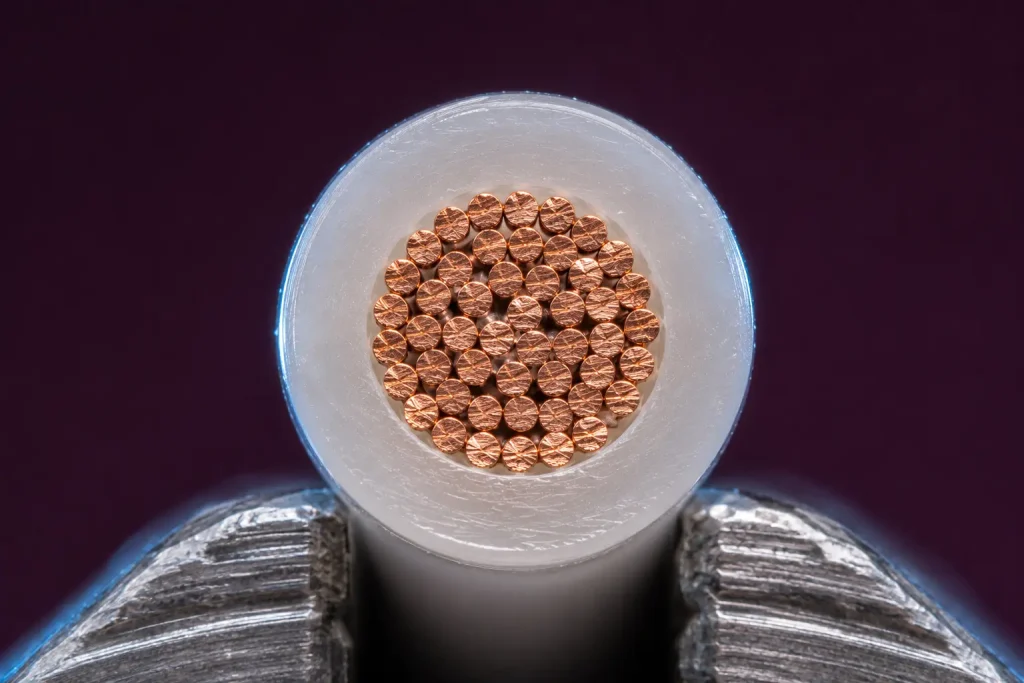
UL 1330 specifies three insulation brackets rather than a single uniform wall. Conductors from 30 AWG through 10 AWG, including this 20 AWG size, receive 20 mils minimum average with 18 mils minimum at any point. From 9 AWG through 2 AWG the wall steps up to 30 mils average and 27 mils minimum. The heaviest bracket, 1 AWG through 4/0 AWG, carries 45 mils average and 40 mils minimum. Because the brackets are defined by conductor size rather than by voltage, a 20 AWG conductor and a 10 AWG conductor share the same nominal wall — meaning the insulation-to-conductor ratio is considerably more generous at the fine end of the bracket, which is part of why the smaller sizes in this style handle abrasion and handling stress well for their gauge.
Applications
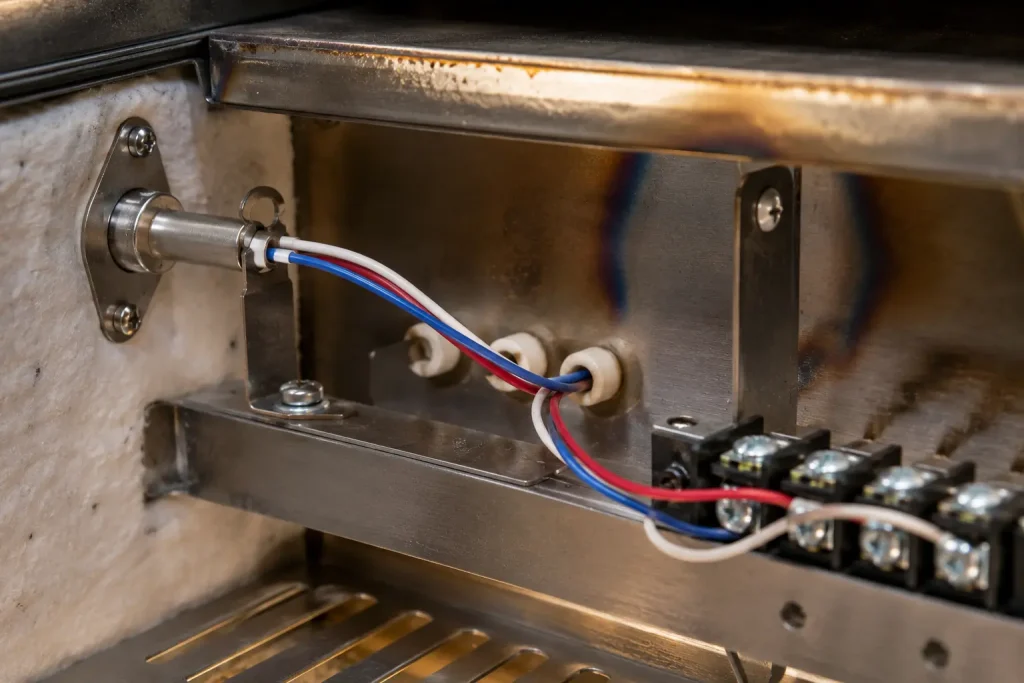
Within its permitted use — internal wiring of appliances — UL 1330 20 AWG suits internal signal and control conductors, sensor leads and light-duty power connections in appliances where operating temperatures reach into the range no PVC-insulated style can serve, and where the surrounding environment may involve solvents, lubricants or fuel vapour. The low surface friction of FEP is a practical advantage where the conductor must be drawn through a long harness passage or a tight bushing during assembly. Where additional abrasion protection is wanted, specify the optional glass braid covering. For applications outside internal appliance wiring, confirm application suitability before specifying.
Key Features
- Melt-extruded FEP — seamless wall with tight dimensional consistency
- 200°C maximum at 600 Vac; 20 mils average wall at 20 AWG
- Low dielectric constant and low surface friction aid dense harness routing
- Broad chemical, fuel and lubricant resistance inherent to the fluoropolymer
- Optional FEP or glass braid covering; horizontal flame, VW-1 available
- UL Recognized Component — file on record
Request a Quote
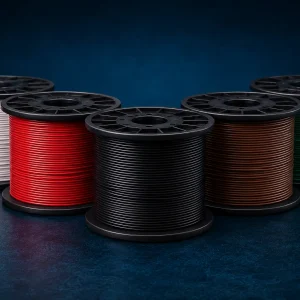
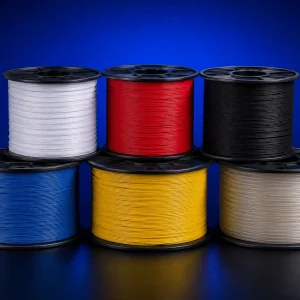
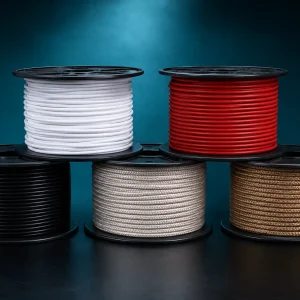
CableApex supplies UL 1330 20 AWG from 100 m per color and responds to B2B inquiries within 12 hours. Specify conductor construction (solid or stranded), colors, covering option and any oil or gasoline tag markings required through the form below.
Related FEP styles: UL 1330 18 AWG · UL 1331 FEP Wire (150°C / 600 Vac) · UL 1333 FEP Wire (150°C / 300 Vac thin wall)