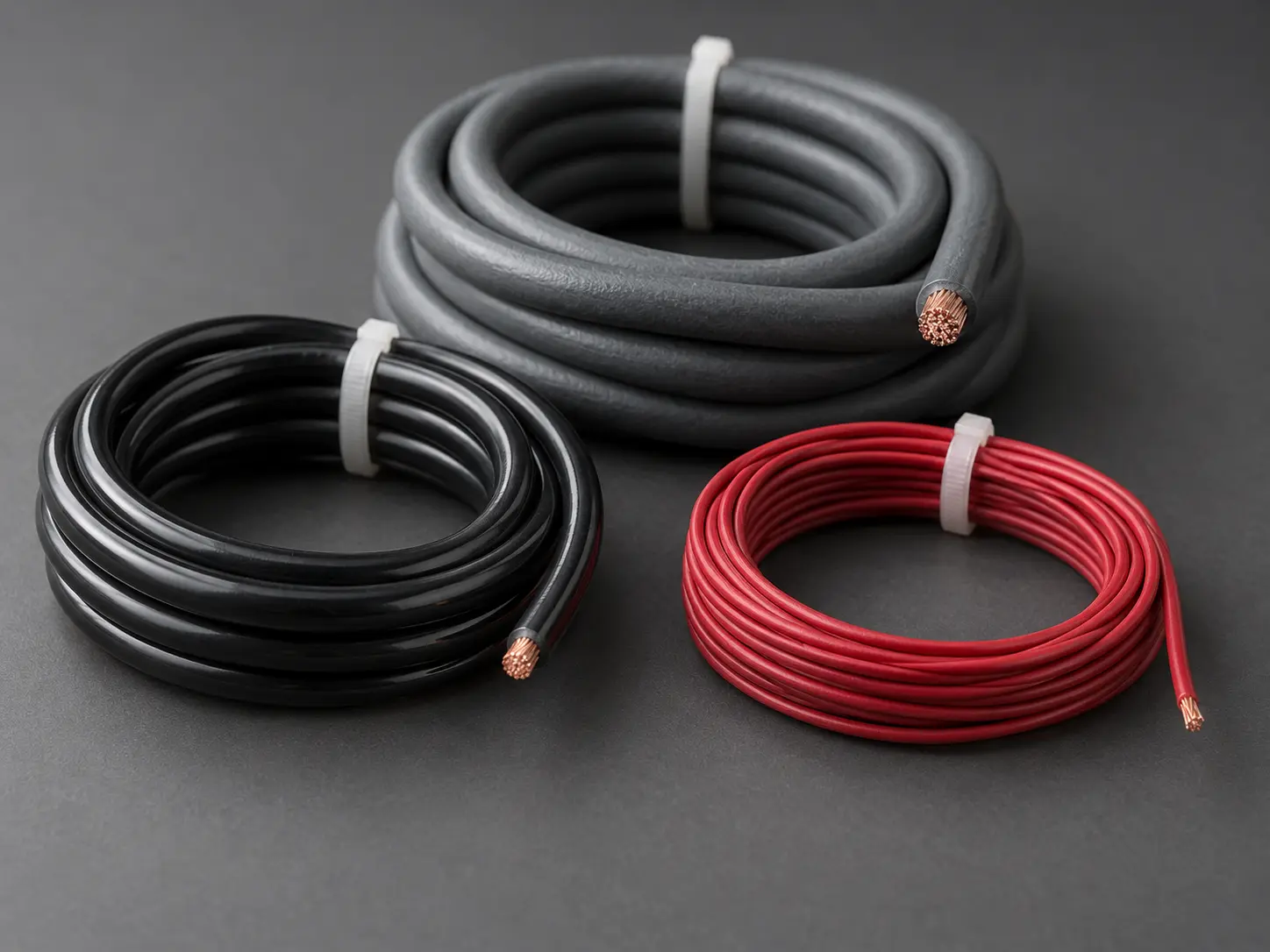
UL 3239 High Voltage DC Wire for Plasma Equipment
This page is a purchasing reference for UL AWM Style 3239 high-voltage DC wire in the 24–10 AWG copper or nickel range, with or without the optional jacket, for protected internal wiring in plasma-related equipment. UL defines Style 3239 as high voltage DC wire with extruded or non-extruded insulation, Style-level maximum 200°C, Style-level maximum 60,000 Vdc, Horizontal Flame and VW-1 Flame.
Those two numbers are Style ceilings, not a guaranteed pair of simultaneous ratings for every 24–10 AWG construction. The Style entry refers the reader to the facing page for individual temperature and voltage ratings, so the qualified construction — not the Style number — establishes what a wire is rated for. An enquiry saying only “UL3239, 60kV, 200°C” has not yet specified a product. Plasma equipment here is a buyer application context, not a UL-certified application statement.
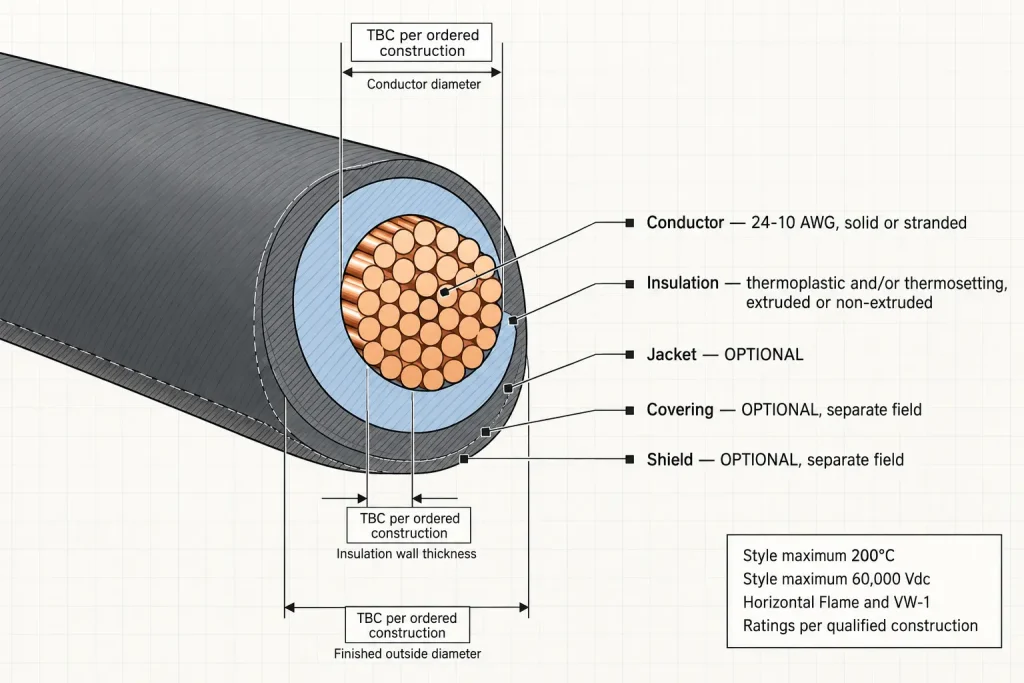
UL 3239 Style-Level Technical Specifications
| UL AWM Style | 3239 (UL 758 Appliance Wiring Material) |
| Description | High voltage DC wire with extruded or non-extruded insulation |
| Maximum temperature | 200°C (Style maximum) |
| Maximum voltage | 60,000 Vdc (Style maximum) |
| Flame | Horizontal Flame and VW-1 Flame |
| Copper or nickel conductor range | 24–10 AWG |
| Aluminum conductor range | 12–10 AWG (90°C maximum operating temperature) |
| Resistance wire range | 27–20 AWG |
| Coated high-strength copper | 24–10 AWG, minimum 90% conductivity |
| Conductor form | Solid or stranded |
| Insulation | Thermoplastic and/or thermosetting, extruded or non-extruded |
| Shield | Optional |
| Covering | Optional |
| Jacket | Optional |
| Official UL Use | Internal wiring of TV receivers or where the acceptability has been determined by Underwriters Laboratories |
Temperature, voltage, insulation material, covering, shield and jacket details are all referred by the Style entry to the individual construction record. Nothing beyond the table above should be assumed from the Style number alone.
Why 60,000 Vdc Is a Style Maximum
60,000 Vdc is the highest DC value the Style permits, not the rating of every UL 3239 wire; a construction qualified lower is still a compliant Style 3239 wire. The buyer states the actual required DC operating voltage of the internal section, and the supplied construction is confirmed against that figure.
The figure is a DC value only. It should not be restated as 60 kVac, an AC working voltage, an impulse withstand value or a dielectric test voltage — separate parameters, none derivable from the Style entry.
Why 200°C Is Also a Style Maximum
The same logic applies to temperature. 200°C is the Style ceiling; the construction record carries the rating that actually applies. The conductor scope shows why — aluminum conductors are permitted for a 90°C maximum operating temperature, so a 12–10 AWG aluminum construction sits well below the ceiling while remaining fully within Style 3239.
Adding or omitting the optional jacket should not be treated as raising or lowering the temperature rating unless that effect is documented for the specific ordered construction.
Selecting AWG for Plasma-Equipment Internal Wiring
The 24–10 AWG range on this page is what the Style permits for copper or nickel. It is a permitted range, not a recommendation, and it does not indicate which size a plasma-equipment design needs — that comes from the equipment drawing or BOM. Current-carrying capacity, load current, wattage and power level cannot be inferred from a Style number, so no AWG-to-current table is published here. Where the design uses resistance wire or coated high-strength copper instead, the applicable size range differs and should be identified at RFQ stage.
When to Specify an Optional Jacket
UL 3239 lists the jacket as optional, so both jacketed and unjacketed constructions exist within the Style and the RFQ has to answer the question directly: jacket required — yes or no.
- If yes, state the required jacket material where it is controlled by the design
- Jacket thickness where it is controlled
- Required finished outside diameter
- Jacket color where it is controlled
- Dimensional tolerance
- Termination or stripping requirements affected by the jacket
The Style-level record establishes no universal jacket material, thickness, hardness, color, temperature rating or mechanical rating, and no default values are published here. Where a jacketed construction is needed, the applicable drawing or specification should be supplied so the quotation is written against a defined construction.
Insulation, Covering, Shield and Jacket Must Be Specified Separately
UL 3239 identifies insulation, covering, shield and jacket as four separate construction fields. They are not interchangeable and should not be collapsed into “outer insulation” or “outer layer” in an RFQ.
The insulation is the primary qualified electrical insulation construction, defined at Style level as thermoplastic and/or thermosetting, extruded or non-extruded. The covering, shield and jacket are each listed separately as optional, and a construction may include none, one, or more than one of them. A request that names an outer element without saying which field it belongs to cannot be matched to a construction record without a follow-up question.
A Jacket Is Not a Covering, and Not a Shield
Covering and jacket are separate optional fields, so a buyer asking for “a jacket” and one asking for “a covering” are asking for different things, and no material or performance characteristic should be assigned to either without construction-specific documentation. The shield is a third, separate optional field: a jacketed construction does not by itself establish shielding, EMI or RFI behaviour, grounding, braid coverage or a drain wire, and shielding must be stated as a shield requirement in its own right.
The reason this page discusses the jacket is procurement definition rather than performance. Abrasion, chemical, oil and moisture resistance, flame behaviour, mechanical protection, service life, dielectric performance and corona behaviour are not established by the presence of an optional jacket, and are stated only where separately documented for the ordered construction.
Finished OD Must Be Confirmed for the Jacketed Construction
The Style-level record provides no single finished outside diameter, and the dimensional effect of adding outer construction is not calculated here. Where the routing path, conduit, grommet, strain relief or connector back-end constrains space, request nominal OD, maximum OD and tolerance from the approved ordered construction. Maximum OD is the figure most often omitted, and the one most often behind a wire that is compliant on paper but will not fit the channel.
Plasma Equipment Does Not Define the Wire Voltage
Naming the equipment category does not establish the electrical requirement. Two plasma-related devices can require materially different internal wire constructions, and the category alone fixes no wire voltage rating, test voltage, transient behaviour, operating current or insulation spacing. No assumed plasma-system voltage is published here; the RFQ carries the actual electrical requirements of the section being wired.
Wire Rating Does Not Define Equipment Creepage or Clearance
A UL AWM wire rating applies to the wire. It does not establish PCB creepage distance, air clearance, electrode spacing, terminal spacing or enclosure insulation distance. Those are end-equipment design decisions set by the applicable end-product standard and the equipment layout, no generic values are published here, and selecting a UL 3239 construction does not discharge that separate obligation.
Conductor Material and Finish
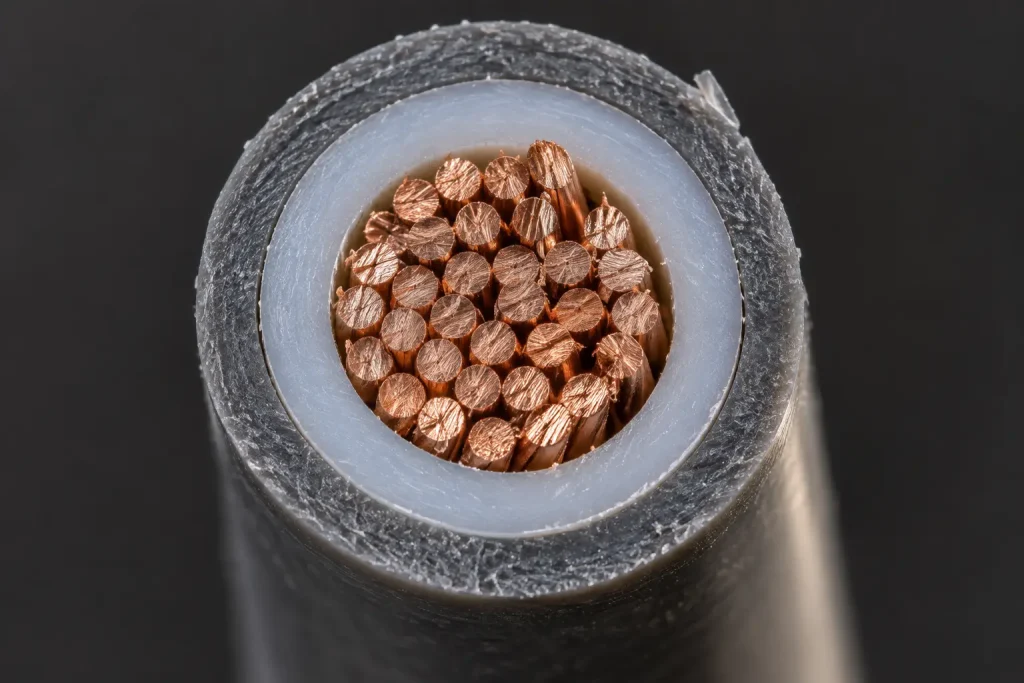
The Style permits 24–10 AWG copper or nickel, 12–10 AWG aluminum, 27–20 AWG resistance wire, and 24–10 AWG coated high-strength copper of minimum 90% conductivity, solid or stranded. This page works with the 24–10 AWG copper or nickel range stated in the title.
Where copper is used, the Style permits tinned, silver plated, nickel plated, heat bonded or overcoated finishes. Because several are permitted, none can be assumed. Identify the required conductor material in the RFQ and, where the design controls it, the finish — solder process, terminal type and operating temperature are the usual reasons it is controlled.
Official AWM Use Boundary
The official UL Use statement for Style 3239 is: Internal wiring of TV receivers or where the acceptability has been determined by Underwriters Laboratories.
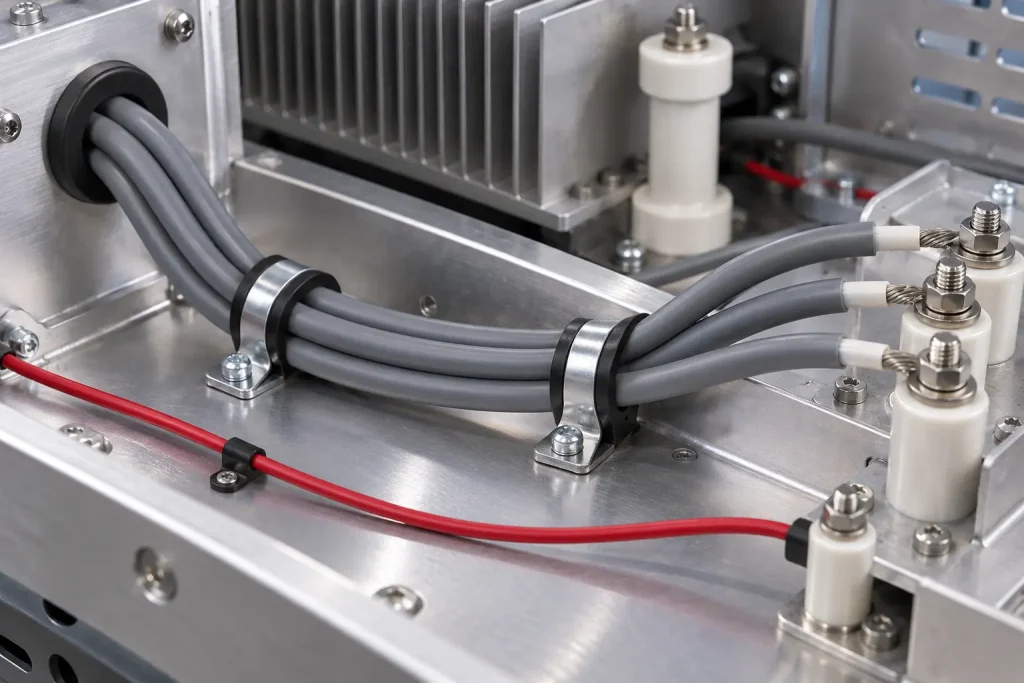
UL 3239 is component wire evaluated for protected internal wiring. A buyer may evaluate an appropriate UL 3239 construction for a protected internal high-voltage DC section in plasma-related equipment where the end-equipment design and the applicable acceptability determination permit that use. It is not UL approved for plasma equipment, not certified for plasma systems, and not specifically approved for plasma generators. The component boundary also excludes building wire, branch-circuit wire, tray cable, field-installed high-voltage cable, medium-voltage power cable, portable cord and general external interconnect cable.
What UL 3239 Does Not Automatically Define
The Style number alone does not fix any of the following, each of which is set by the qualified ordered construction:
- Temperature and voltage rating of the specific construction
- Conductor material and finish; strand count and strand diameter
- Insulation material and thickness
- Jacket material and thickness
- Shield and covering construction
- Finished outside diameter
- Current-carrying capacity and current rating
- Bend radius and flex-cycle rating
- Plasma-system, terminal and connector compatibility
- Stock, MOQ, reel length and lead time
Each is confirmed against the order rather than assumed from the Style.
Common Plasma-Equipment RFQ Mismatches
- “UL3239 60kV” with no construction reference. 60,000 Vdc is the Style ceiling; the construction may be rated lower.
- Plasma equipment named, operating voltage omitted. The category does not supply the missing figure.
- Conductor size left open. 24–10 AWG is the permitted copper or nickel range; the design picks one.
- Jacket requested without material or dimensional limits. The Style sets no default jacket specification.
- Jacket and shield treated as one thing. Separate optional fields, separate requirements.
- Silicone assumed as the UL 3239 insulation. The Style permits thermoplastic and/or thermosetting, extruded or non-extruded.
- Maximum OD omitted in a restricted routing path. A dimensionally unusable wire can still be compliant.
- 200°C assumed for every construction. Aluminum conductors, for example, are permitted for 90°C maximum.
Each is faster to resolve before quotation than after a first article has been built to an ambiguous specification.
UL 3239 RFQ Checklist
- UL AWM Style 3239
- Conductor AWG
- Conductor material; conductor finish where controlled
- Actual required DC voltage
- Actual required temperature
- Insulation system where controlled
- Shield required: yes / no
- Covering required: yes / no
- Jacket required: yes / no, with jacket specification where controlled
- Finished OD and maximum OD, with tolerance
- Color
- Terminal or connector information
- Cut length or reel requirement
- Quantity, packaging and destination
- Documentation requirements
- Plasma-equipment protected internal-wiring context
Applicable RoHS / REACH documentation can be confirmed according to the ordered construction. UL marking is applied according to the confirmed ordered construction, and material is supplied as UL-recognized component wire under qualified manufacturing scope.
Sent with the enquiry, the checklist above lets the quotation be written against a defined construction rather than a Style number.