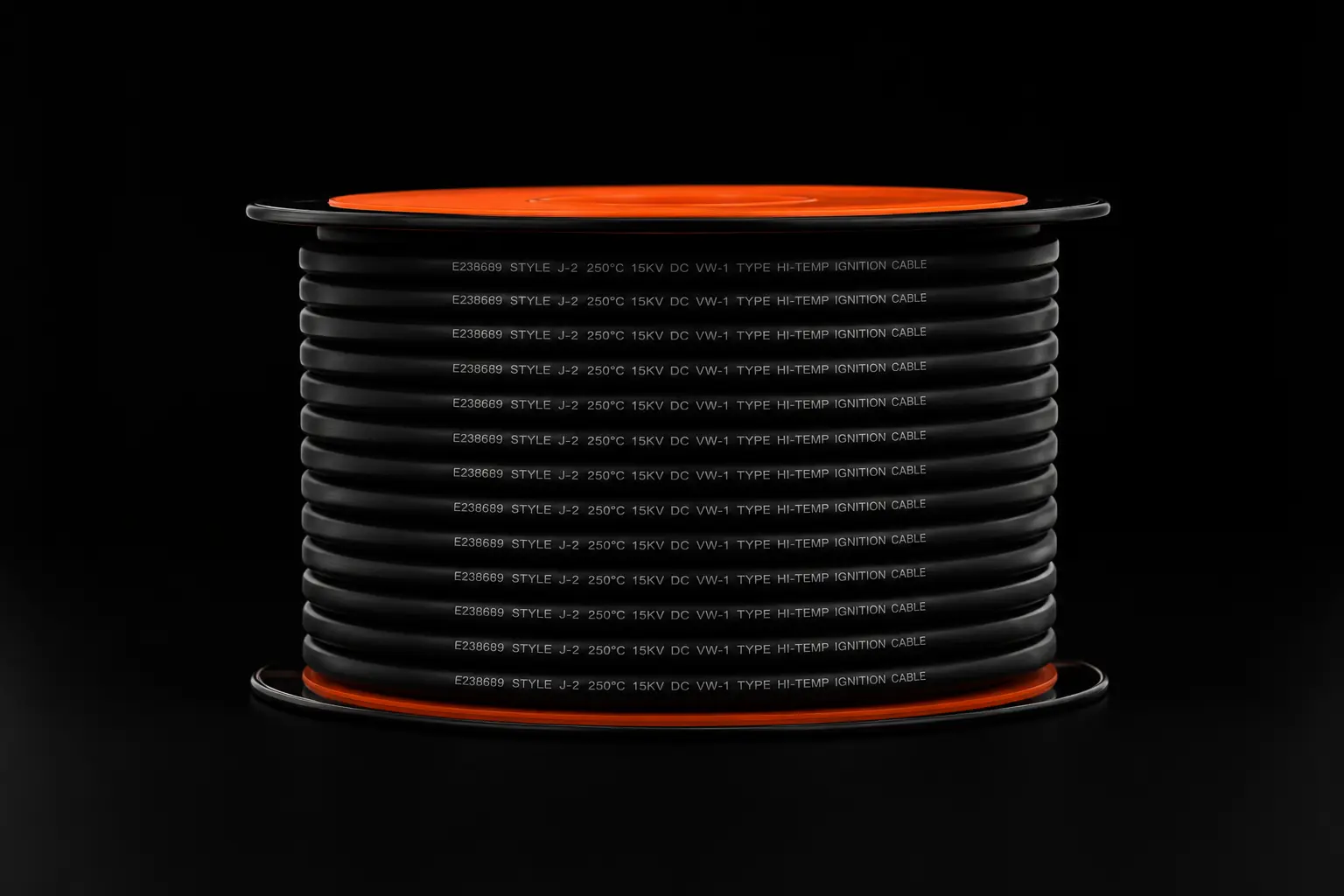
UL 1911 High Voltage Wire — 250°C / 50,000 Vdc, Horizontal Flame — Gas Ignition Systems México
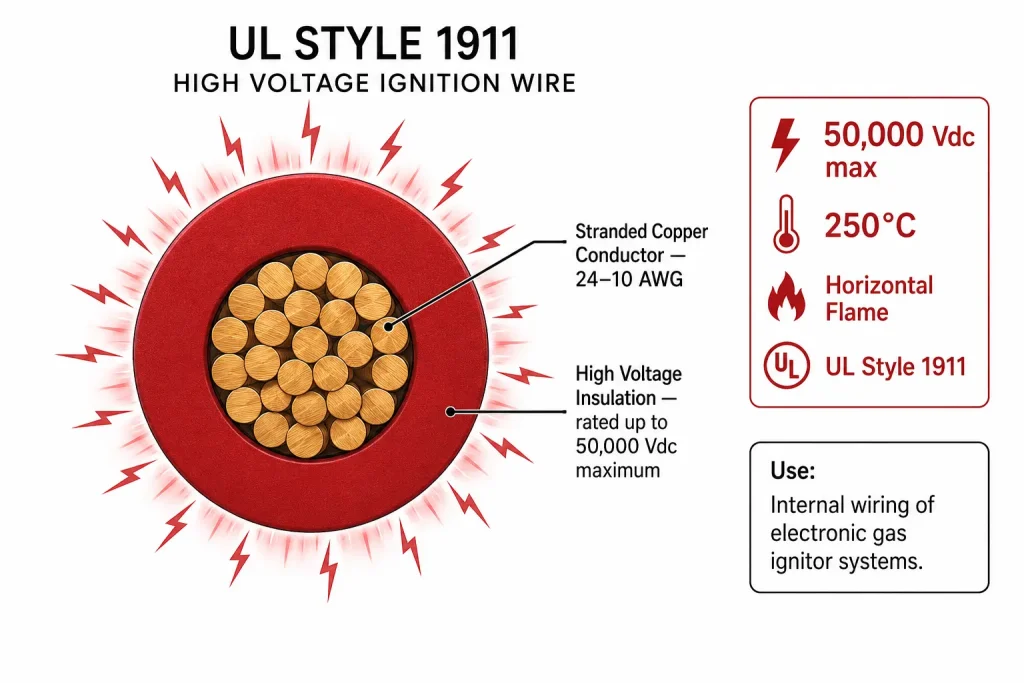
Style 1911 occupies a unique position in the UL Subject 758 AWM wire family — it is the designated high-voltage wire for electronic gas ignitor systems, rated for up to 50,000 Vdc maximum with a 250°C thermal ceiling. No other single-conductor AWM style combines this voltage range with this temperature rating in a wire specifically certified for gas appliance ignition use. For Mexican appliance manufacturers, commercial kitchen equipment importers, and industrial gas equipment distributors, Style 1911 is the UL-recognized wire that connects electronic ignition modules to spark electrodes in gas ranges, commercial burners, and industrial gas-fired process equipment.
The high-voltage pulse environment of electronic ignition systems — where ignition modules generate 15,000 to 50,000 Vdc pulses at the spark electrode — demands insulation that simultaneously withstands dielectric stress at peak voltage, resists thermal degradation from proximity to gas burner flames, and passes horizontal flame certification. Style 1911 is engineered specifically for this combination of requirements, making it the correct specification for sistemas de encendido electrónico in gas appliances across all market segments.
Technical Specifications — UL Style 1911
| Parameter | Value |
|---|---|
| UL Style | 1911 |
| UL Subject | 758, Section 1 |
| Temperature Rating | 250°C |
| Voltage Rating | Up to 50,000 Vdc maximum (see individual facing page for exact rating) |
| Flame Rating | Horizontal flame |
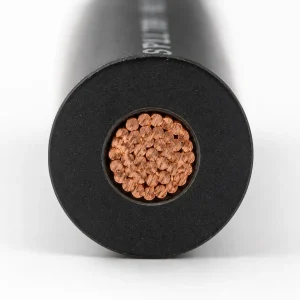
| AWG Range | 24 AWG – 10 AWG, solid or stranded round |
| Conductor | Solid or stranded round copper |
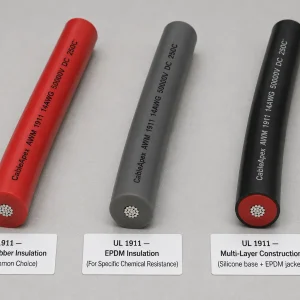
| Insulation Material | Any material — per facing page specification |
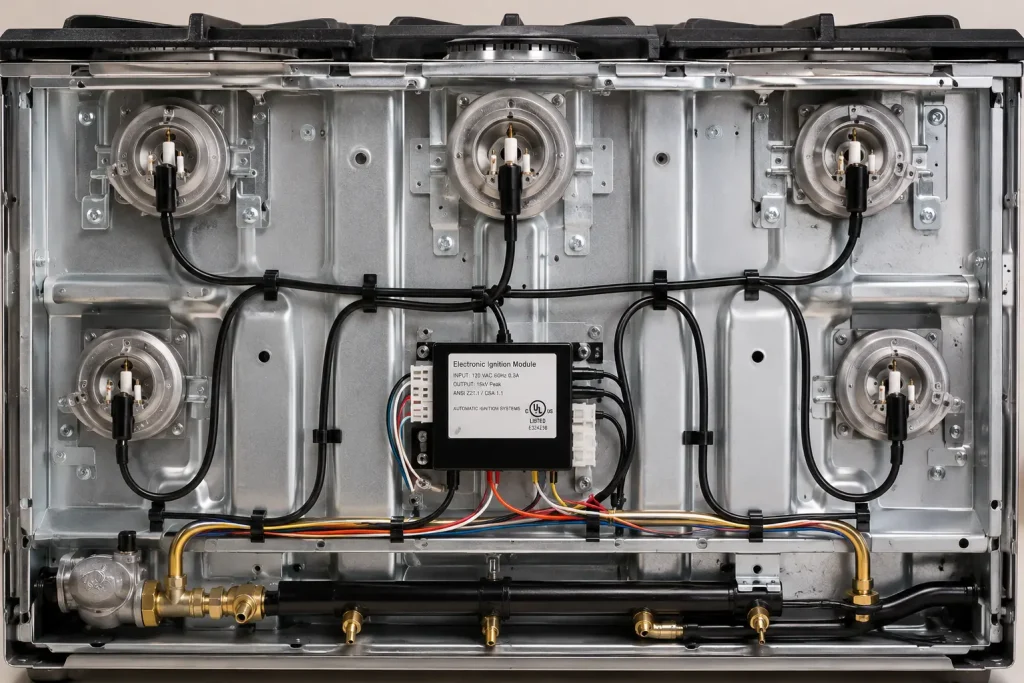
| Typical Use | Internal wiring of electronic gas ignitor systems (sistemas de encendido electrónico de gas) |
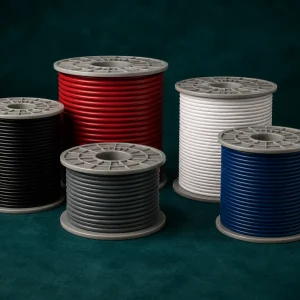
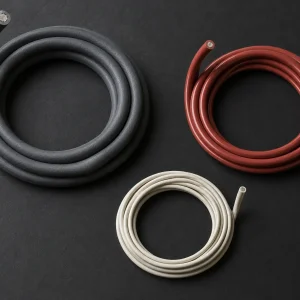
| Available Colors | Black, white, red (custom on request) |
| Standard Spool Length | 100 m / 200 m / 305 m |
| MOQ | Contact for quote — consultar cotización |
Gas Ignition Applications — Sistemas de Encendido de Gas en México
Style 1911 serves a highly specialized but consistently high-volume application category across México’s appliance, commercial kitchen, and industrial gas equipment sectors:
- Residential gas range ignition leads — the spark electrode lead wire in residential gas stoves and cooktops manufactured and sold across México, connecting the electronic ignition control module to the spark plug electrode at each burner position. México’s dominant residential cooking fuel is LP gas, creating consistent nationwide demand for gas range ignition components across all market segments from entry-level to premium appliance brands assembled in Estado de México and Monterrey.
- Commercial gas burner systems — high-voltage ignition leads in commercial gas range burners, wok burners, and salamander grills used in restaurants, hotels, and institutional food service operations throughout México City, Guadalajara, and Cancún’s hospitality and tourism sectors, where reliable ignition performance under continuous heavy-use conditions is a critical equipment specification.
- Industrial gas-fired process equipment — ignition system wiring in industrial gas burners for drying ovens, paint curing systems, and process heating equipment across Baja California’s maquiladora manufacturing corridor, where automatic re-ignition systems require UL-recognized high-voltage wire that maintains insulation integrity in proximity to sustained open flame environments.
- HVAC gas heating units — spark igniter lead wiring in residential and commercial gas furnaces, rooftop gas heating units, and gas-fired make-up air handlers distributed across northern México’s colder climate zones — Chihuahua, Sonora, and Coahuila — where gas heating systems are the dominant space heating technology and ignition system reliability is a key performance specification.
Engineering Notes — High Voltage Ignition Wire Selection
Understanding the 50,000 Vdc maximum rating: The 50,000 Vdc ceiling of Style 1911 is a maximum dielectric capability — actual voltage ratings for specific product builds are confirmed on the individual facing page specification, not assumed to be 50kV for all constructions. When specifying Style 1911 for a particular ignition system, confirm that the exact voltage rating on the product facing page meets or exceeds the peak open-circuit output voltage of your ignition module. Typical residential gas range ignition modules generate 8,000–15,000 Vdc pulses; commercial and industrial ignition systems may reach 20,000–30,000 Vdc. Always specify with confirmed margin above peak output voltage.
250°C rating in proximity to gas burner flames: The ignition lead wire in a gas appliance is one of the most thermally demanding wire positions in any consumer product — it routes in close proximity to the burner crown where radiant and convective heat from the gas flame creates sustained high-temperature exposure. The 250°C rating of Style 1911 provides meaningful margin above the surface temperatures experienced at the wire routing position in standard gas appliance ignition lead paths, assuming correct installation with adequate clearance from direct flame contact.
Wire length and capacitance in ignition circuits: In high-voltage ignition circuits, wire capacitance is a relevant electrical parameter — longer lead lengths increase capacitive loading on the ignition module output, potentially reducing spark energy at the electrode. For gas range applications where ignition leads exceed 300–400 mm, confirm with the ignition module manufacturer that the lead wire capacitance at the specified length is within the module’s designed output load range. Use the shortest lead routing path consistent with appliance assembly requirements.
Connector and termination compatibility: Style 1911 ignition wire terminates at both the ignition module output connector and the spark electrode boot — both termination points are high-voltage rated components specific to ignition system designs. Confirm that the wire outer diameter is compatible with the ignition lead boot inner diameter specified by the electrode manufacturer before ordering. Mismatched boot-to-wire diameter is one of the most common ignition lead assembly issues in appliance manufacturing.
Related UL Styles for Comparison
UL 1911 buyers commonly cross-reference: UL 3304 (200°C / 10,000 Vac silicone rubber with fiberglass braid, alternative high-voltage ignition wire for gas range and gas burner systems), UL 3573 (200°C / 10,000 Vac silicone with fiberglass braid and outer silicone jacket, dual-insulation ignition wire for enhanced mechanical protection), UL 3239 (200°C / 60,000 Vdc high voltage DC wire for TV receivers and similar high-voltage electronic applications), and UL 1659 (250°C / 600V PTFE, for standard voltage internal wiring in the same high-temperature application environments).
Request a Quote — Solicitar Cotización
Submit your AWG, required voltage rating, conductor build, spool format, and annual volume estimate below. Our bilingual team responds with a formal cotización within 24 business hours. Wire samples available for ignition system qualification testing upon request.