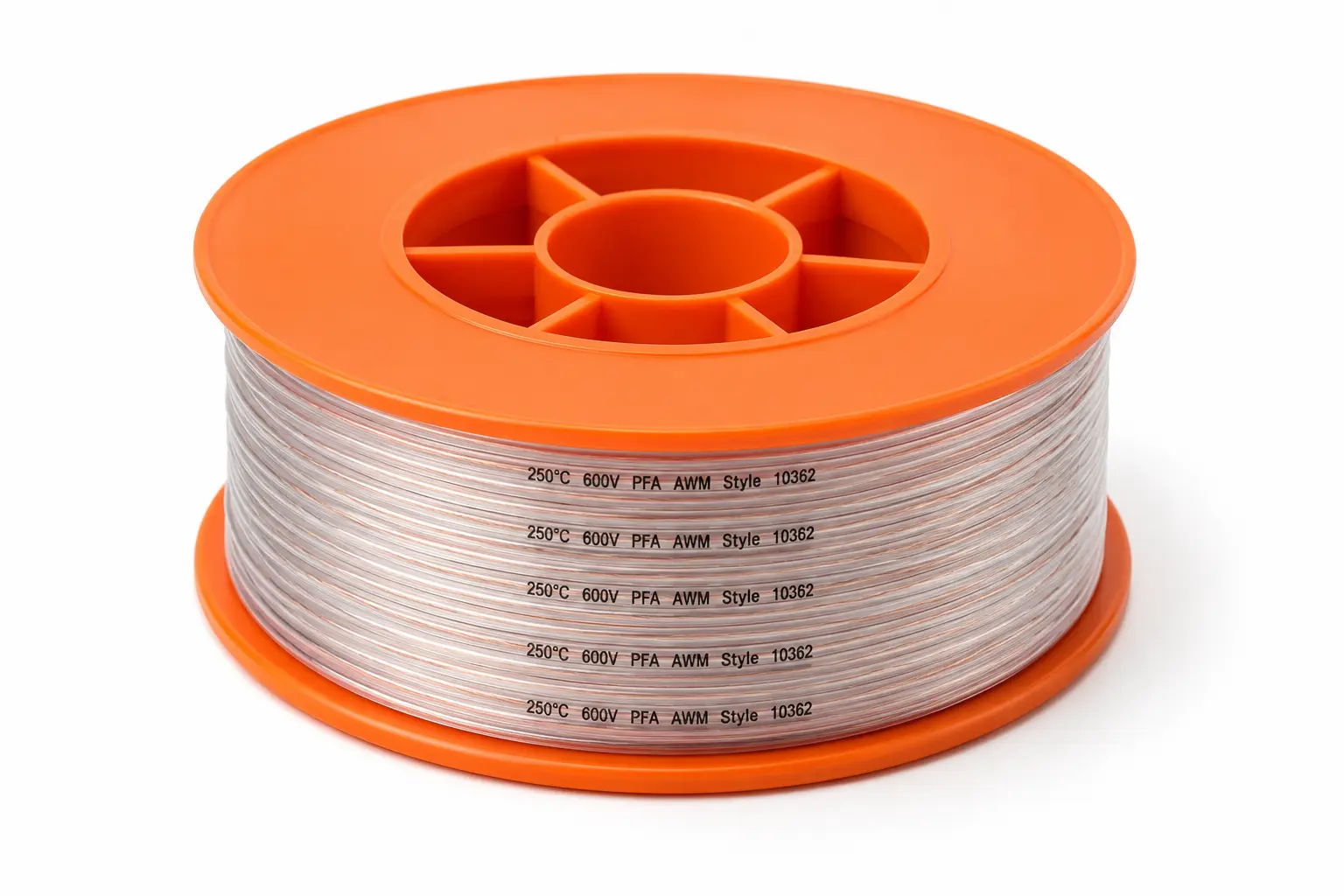
UL 10362 PFA Wire — 250°C / 600V, Ultra-Thin 10-Mil Wall — High Purity Equipment México
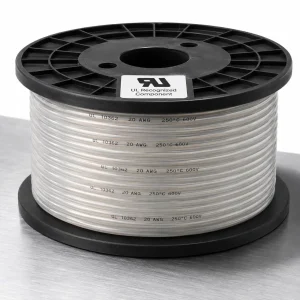
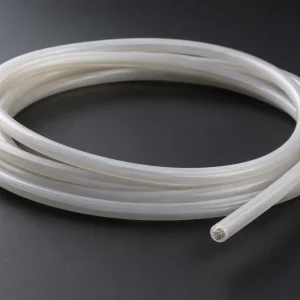
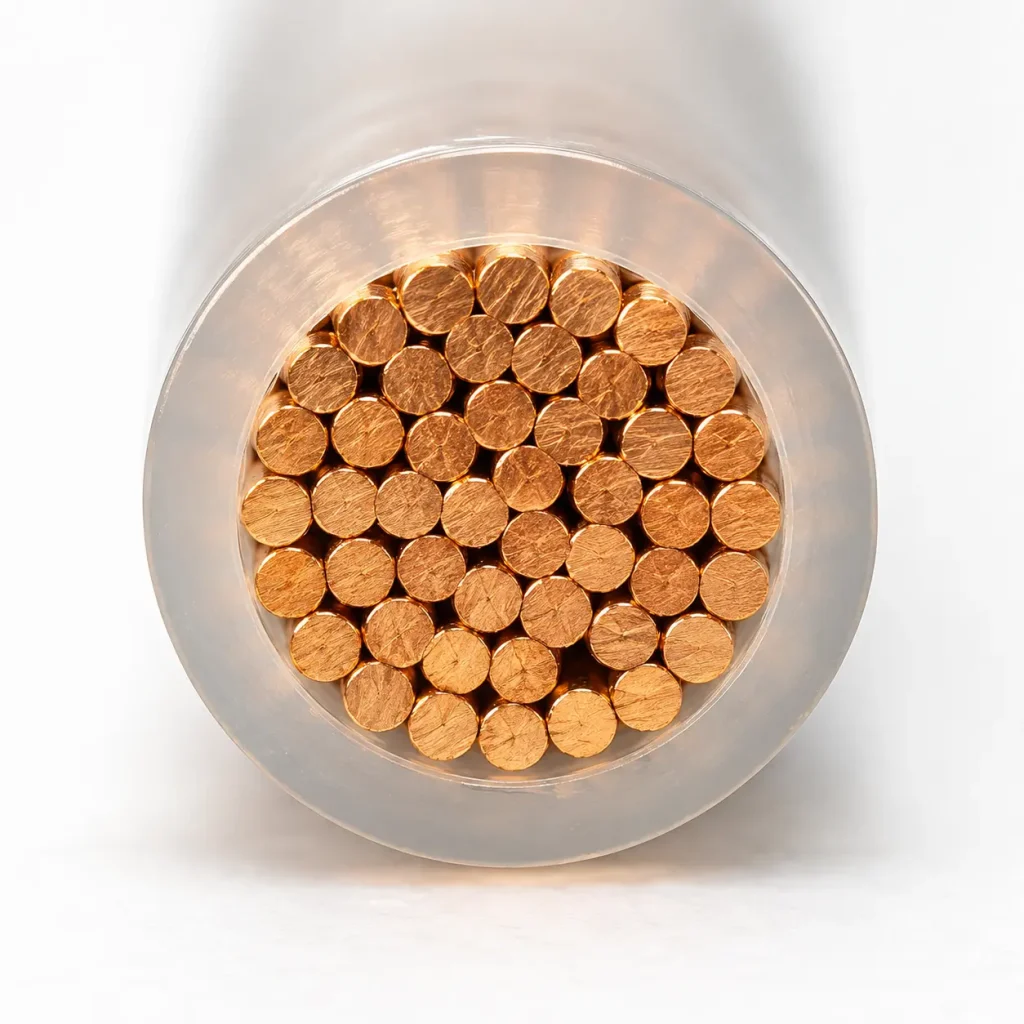
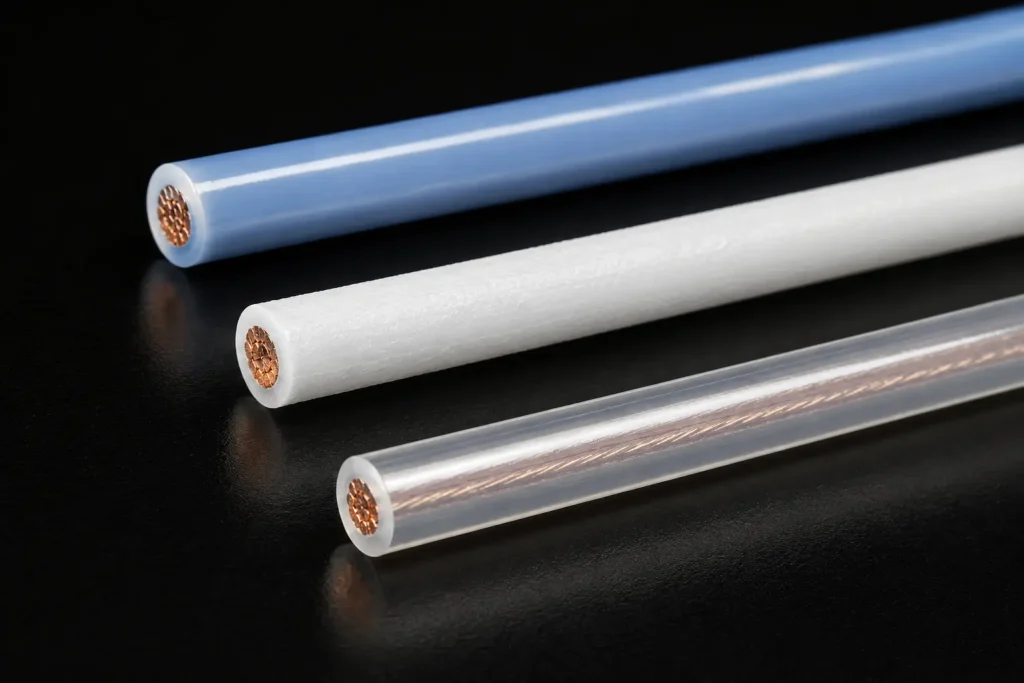
Style 10362 is the PFA-insulated high-temperature wire within UL Subject 758 — delivering the 250°C thermal ceiling and 600V insulation performance of the premium fluoropolymer family in the most compact wire profile available at this rating. Extruded PFA (perfluoroalkoxy) insulation at just 10 mils minimum average wall for 30–10 AWG produces an overall wire diameter significantly smaller than PTFE-insulated Style 1659 at equivalent AWG and rating — a result of PFA’s melt-processable extrusion characteristics enabling tighter wall thickness control and more uniform insulation geometry than paste-extruded PTFE constructions.
For Mexican semiconductor equipment distributors, pharmaceutical manufacturing equipment importers, and food processing machinery suppliers, Style 10362 represents the fluoropolymer wire specification that combines 250°C / 600V thermal-electrical performance with the smooth surface finish, tight dimensional tolerances, and non-contaminating chemical inertness of PFA insulation — properties that distinguish PFA from PTFE in high-purity process equipment applications where insulation surface characteristics matter alongside temperature and voltage performance.
Technical Specifications — UL Style 10362
| Parameter | Value |
|---|---|
| UL Style | 10362 |
| UL Subject | 758, Section 1 |
| Temperature Rating | 250°C |
| Voltage Rating | 600 Vac |
| Flame Rating | Horizontal flame |
| AWG Range | 30 AWG – 4/0 AWG, solid or stranded |
| Conductor | Solid or stranded copper |
| Insulation Material | Extruded PFA (perfluoroalkoxy) |
| Insulation Thickness — 30–10 AWG | 10 mils min average / 8 mils min at any point |
| Insulation Thickness — 9–2 AWG | 30 mils min average / 27 mils min at any point |
| Insulation Thickness — 1–4/0 AWG | 45 mils min average / 41 mils min at any point |
| Typical Use | Internal wiring (cableado interno de alta pureza y alta temperatura) |
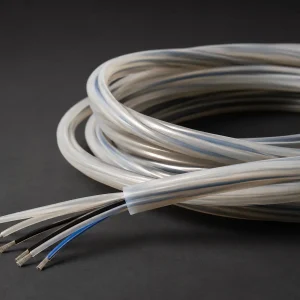
| Available Colors | Clear/natural, white, red, yellow, green, blue (custom on request) |
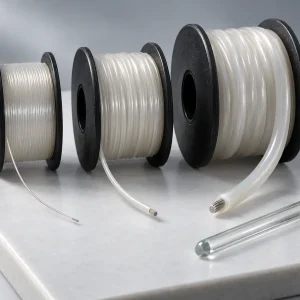
| Standard Spool Length | 100 m / 200 m / 305 m |
| MOQ | Contact for quote — consultar cotización |
Engineering Notes — PFA vs. PTFE vs. FEP: The Fluoropolymer Triangle
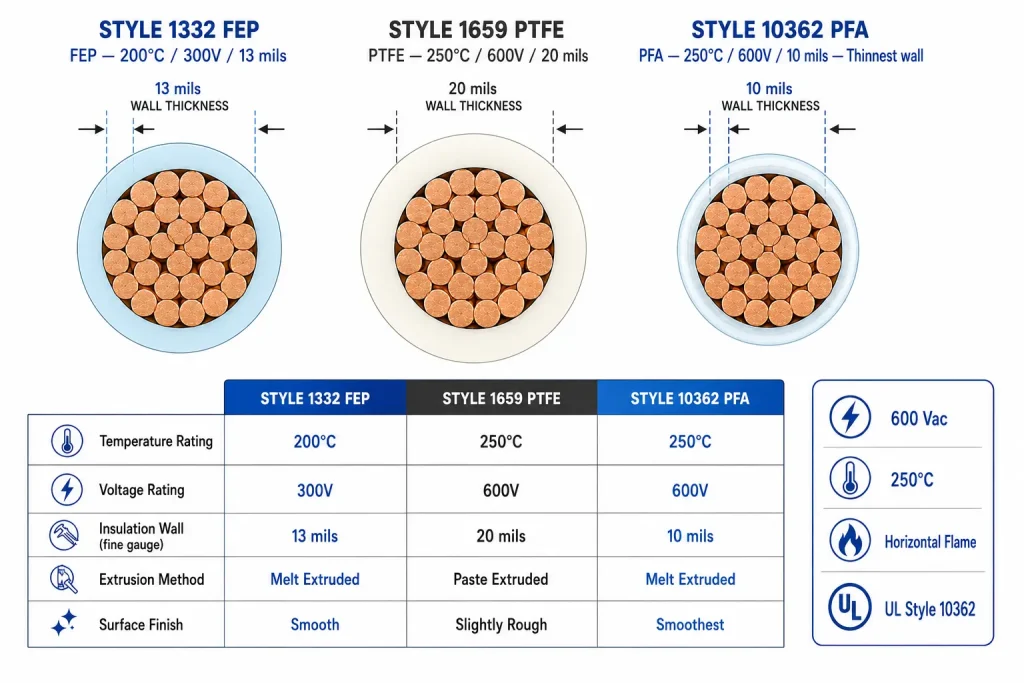
PFA’s unique position in the fluoropolymer family: The three fluoropolymer insulation materials used in UL Subject 758 wire — FEP (Style 1332, 200°C/300V), PTFE (Style 1659, 250°C/600V), and PFA (Style 10362, 250°C/600V) — each have distinct material characteristics that determine their optimal application range. FEP is melt-processable like thermoplastics, making it easy to extrude with smooth surface finish, but its 200°C ceiling limits its high-temperature applicability. PTFE reaches 250°C but cannot be melt-processed — it must be paste-extruded or tape-wrapped, resulting in a slightly rougher surface texture, less uniform wall thickness, and larger overall wire diameter at equivalent AWG. PFA bridges these two: it is fully melt-processable like FEP (enabling smooth surface finish and tight dimensional control) while achieving PTFE’s 250°C thermal ceiling. For applications where both 250°C performance and the smooth, non-contaminating surface of a melt-extruded fluoropolymer are required simultaneously, PFA is the only material that satisfies both requirements.
10-mil wall at 250°C / 600V — the thinnest high-temperature fluoropolymer construction: The 10-mil minimum average PFA wall of Style 10362 at 30–10 AWG is the thinnest insulation wall among all 250°C-rated wire styles in UL Subject 758 — including Style 1659 PTFE at 20 mils and Style 1332 FEP at 13 mils (though FEP is only 200°C). At 10 mils, PFA’s high dielectric strength per unit thickness enables 600V insulation rating in a wire diameter approaching that of standard 300V-class hook-up wire at equivalent AWG. In precision equipment applications where wire routing space is at a premium and maximum thermal performance is simultaneously required, the 10-mil PFA wall produces a wire profile that fits routing channels designed for standard hook-up wire while providing a full 250°C / 600V rating.
Wall step-up at 9–2 AWG — significant diameter transition: Style 10362 has the most dramatic insulation wall step-up in the UL AWM fluoropolymer family — from 10 mils at 30–10 AWG to 30 mils at 9–2 AWG, a tripling of wall thickness at the 9 AWG boundary. This means the compact diameter advantage of Style 10362 applies exclusively to the fine-gauge range below 10 AWG. For 9 AWG and heavier conductor sizes, the 30-mil wall produces a substantially larger overall wire diameter — similar to Style 1659 PTFE at equivalent gauges. Factor this wall step-up into routing space planning when the design spans conductors both above and below the 9 AWG boundary.
Non-contaminating surface for high-purity applications: PFA’s fully melt-extruded surface is non-porous, chemically inert to virtually all process chemicals, and releases no extractable compounds under sustained 250°C thermal exposure — properties critical in semiconductor fabrication equipment, pharmaceutical sterile filling lines, and food-contact process equipment where wire insulation surface contamination of process fluids or product is a regulatory compliance concern. PTFE paste-extruded constructions, while thermally equivalent, have a microscopically more porous surface structure that can trap particulate contamination — a concern in ultra-high-purity semiconductor process environments where PFA’s smoother, denser extruded surface provides a more defensible contamination control position.
High-Purity and High-Temperature Applications — Alta Pureza en México
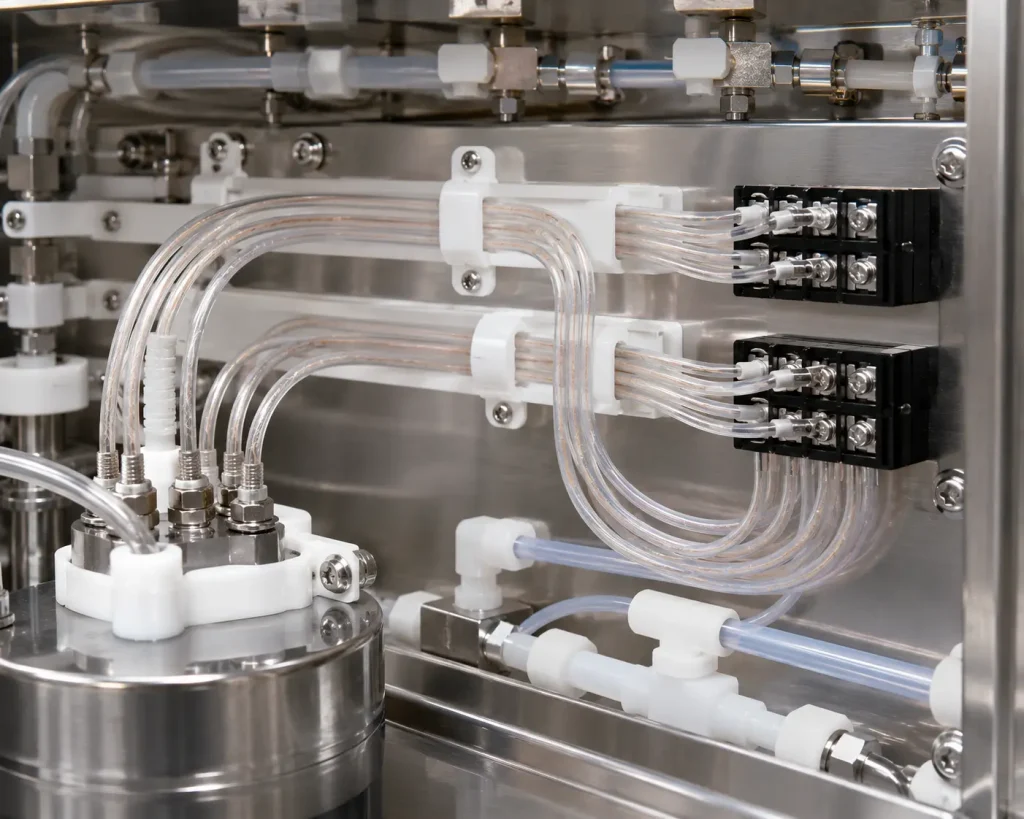
Style 10362’s combination of 250°C thermal rating, 600V insulation, ultra-thin 10-mil wall, and PFA surface purity properties serves a distinct set of high-purity equipment applications across México’s semiconductor, pharmaceutical, and food processing sectors:
- Semiconductor liquid handling equipment internal wiring — internal wiring of chemical delivery systems, wet bench heating elements, and wafer cleaning equipment heating circuits in semiconductor fabrication facilities across Tijuana and Mexicali’s semiconductor equipment manufacturing zone, where process chemical exposure alongside 200–250°C heater proximity temperatures requires both PFA’s chemical inertness and its 250°C thermal rating, and where the non-contaminating PFA surface prevents insulation-sourced particle contamination of ultra-pure process chemical streams in Class 1 and Class 10 cleanroom environments.
- Pharmaceutical sterile filling line heater wiring — heating element terminal leads and temperature controller signal wiring in tunnel sterilization ovens, depyrogenation ovens, and sterile filling equipment heating systems installed in pharmaceutical manufacturing facilities across Guadalajara’s pharmaceutical manufacturing cluster — one of the largest in Latin America — where FDA and COFEPRIS compliance requirements for equipment used in sterile drug product manufacturing specify non-contaminating, chemically inert materials for all process-contact and near-contact equipment components including internal wiring insulation.
- Food-grade high-temperature process equipment wiring — internal wiring of pasteurization system heating elements, sterilization autoclave heater leads, and food processing oven heating circuits in food manufacturing operations across Jalisco’s food processing industry, where simultaneous requirements for 200–250°C thermal performance, FDA-compliant non-contaminating materials, and resistance to steam and food-grade cleaning chemical exposure define the PFA specification niche that neither silicone rubber nor PTFE fully satisfies at equivalent wire diameter.
- Laboratory and analytical instrument heater leads — precision heating element terminal wires and thermocouple extension leads in laboratory high-temperature reactors, analytical chemistry heating systems, and university research equipment installed across Mexicali’s research institution corridor, where the ultra-thin 10-mil PFA wall at fine gauges enables routing through the compact wiring channels of laboratory instrument heating assemblies while providing 250°C thermal rating and the smooth surface quality that prevents particulate generation in laboratory clean environments.
Related UL Styles for Comparison
UL 10362 PFA buyers commonly cross-reference: UL 1659 (250°C / 600V PTFE, same temperature-voltage class with paste-extruded construction and 20-mil fine-gauge wall — larger diameter at equivalent AWG), UL 1332 (200°C / 300V FEP, lower temperature and voltage melt-extruded fluoropolymer with similar surface quality), UL 3071 (200°C / 600V silicone rubber, flexible high-temperature alternative where PFA chemical inertness is not required), and UL 3135 (200°C / 600V silicone rubber, for totally enclosed high-temperature appliance wiring where flexibility is prioritized).
Request a Quote — Solicitar Cotización
Submit your AWG, color, spool format, and annual volume estimate below. Our bilingual team responds with a formal cotización within 24 business hours. Wire samples available for high-purity equipment qualification testing upon request.