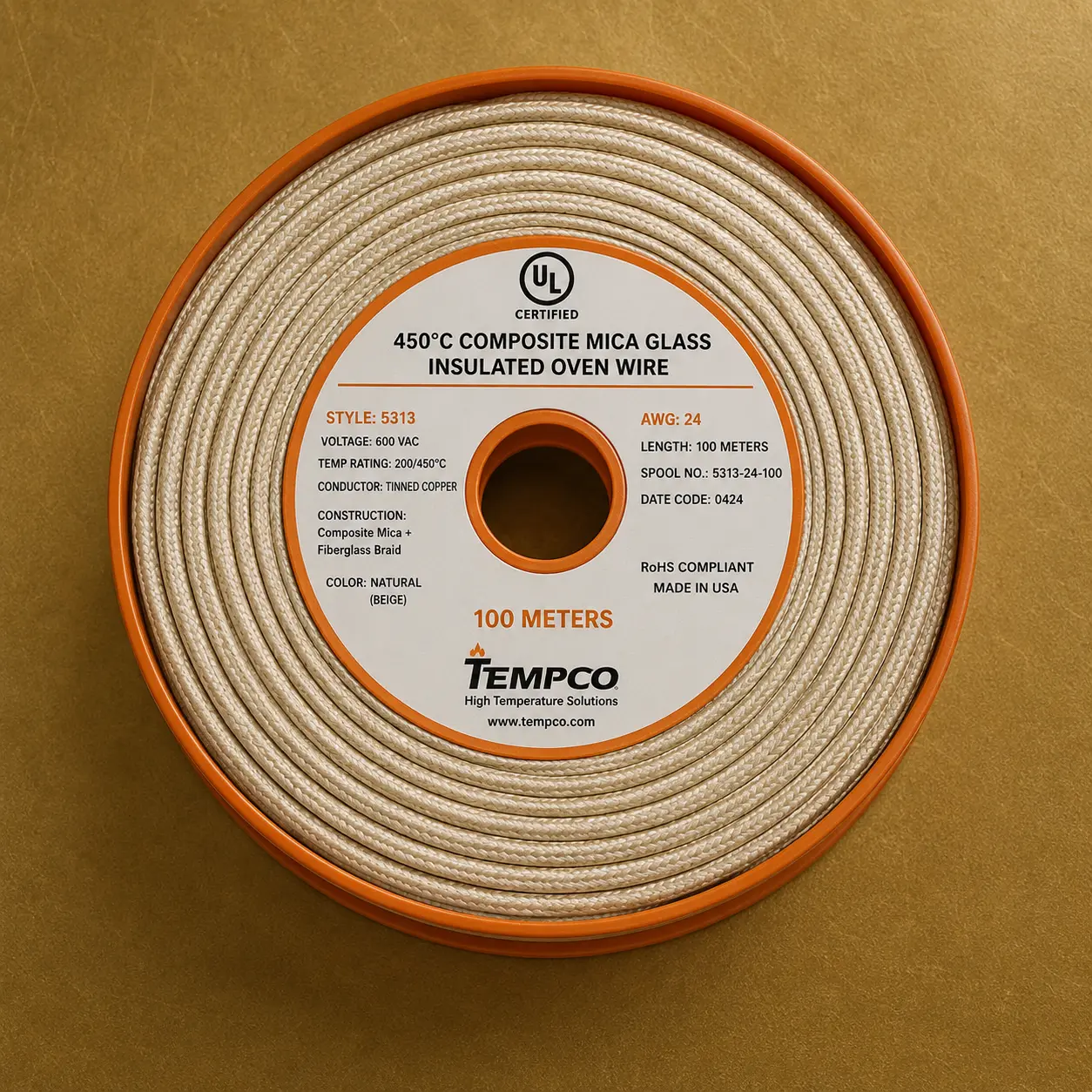
UL 5334 Mica Glass Wire — 450°C / 300V, Composite Insulation — Oven Wiring México
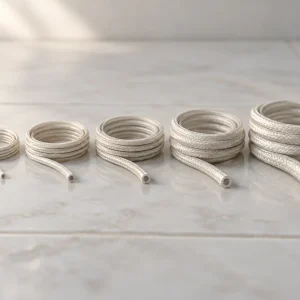
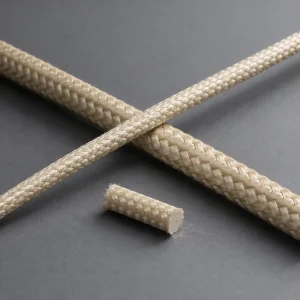
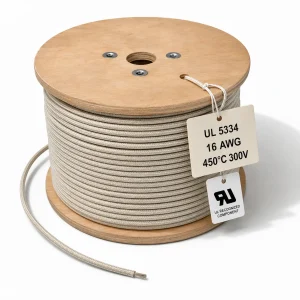
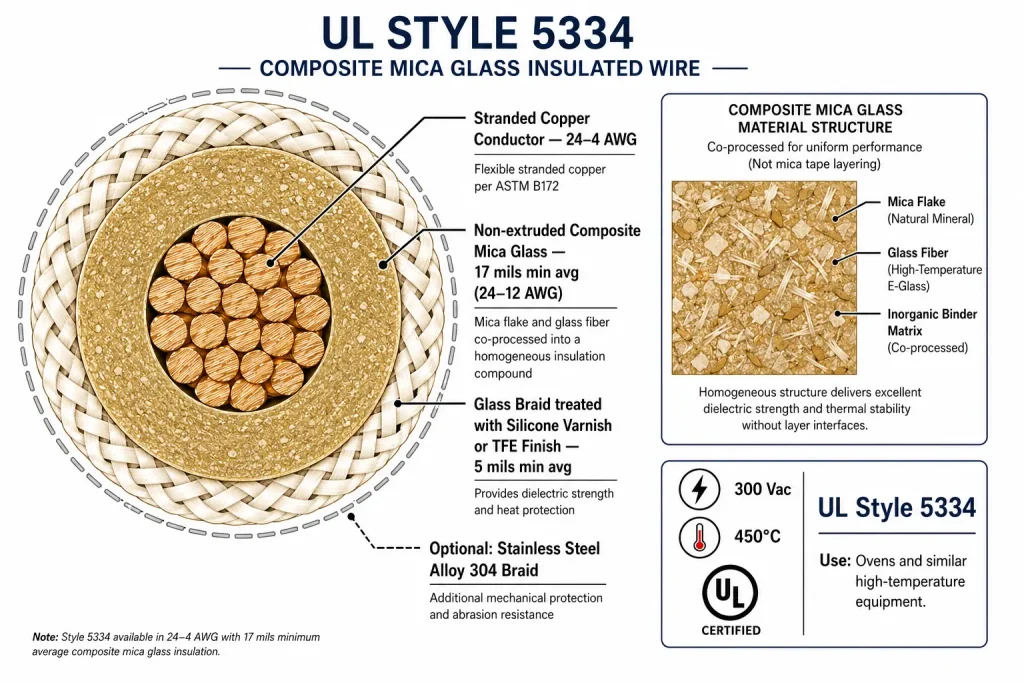
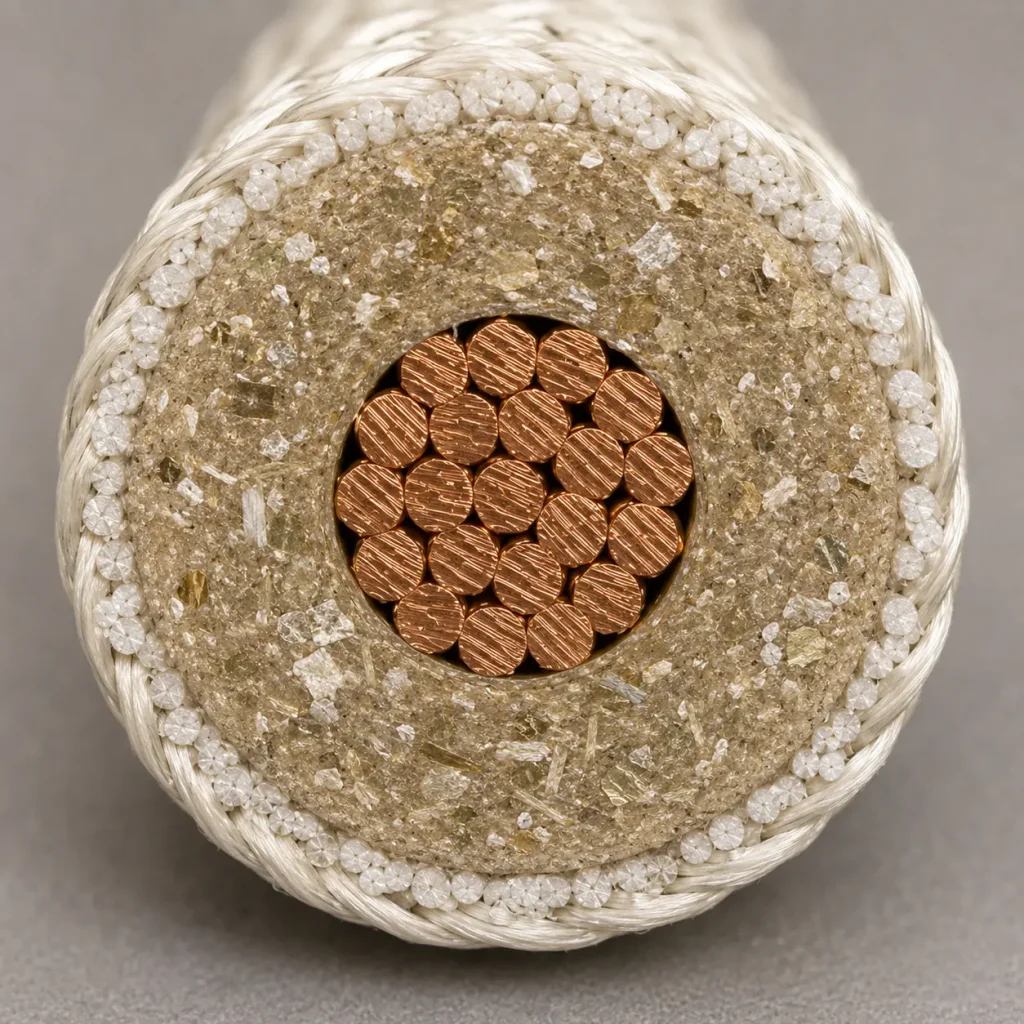
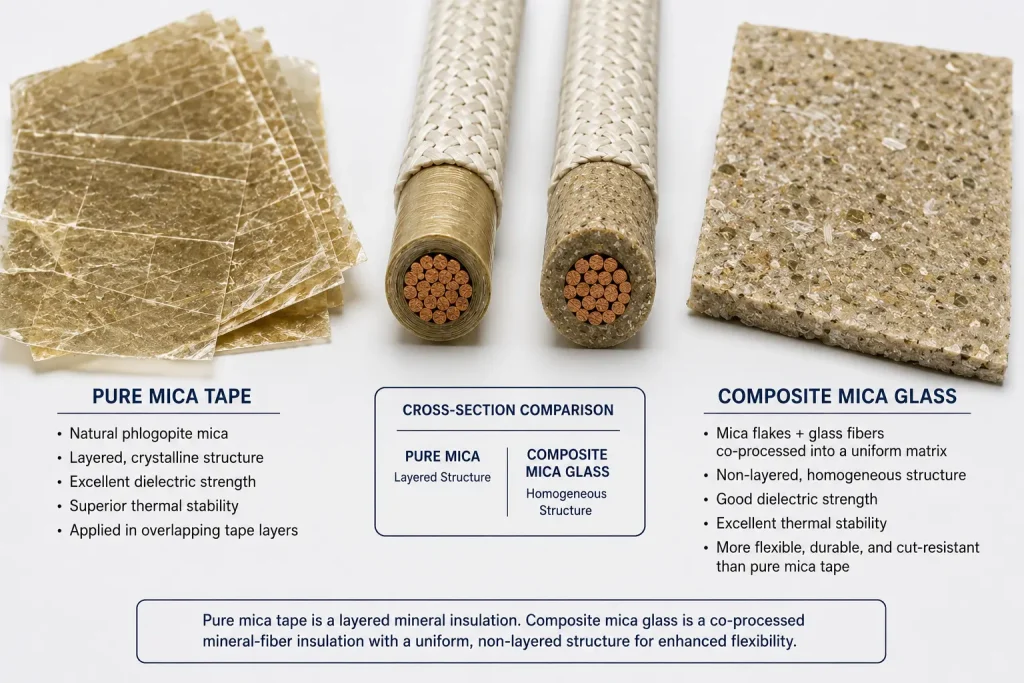
Style 5334 is the composite mica glass insulated wire within UL Subject 758 specifically designated for wiring of ovens and similar high-temperature equipment. Rated 450°C and 300 Vac, with non-extruded composite mica glass insulation and treated glass braid, this wire differs from the pure mica tape constructions of Style 5107 and 5128 in its insulation material — the composite mica glass system integrates mica flake and glass fiber into a unified insulation layer that provides both the inorganic thermal stability of mica and the mechanical continuity of glass fiber reinforcement, resulting in a more cohesive insulation structure at equivalent wall thickness.
For Mexican industrial oven manufacturers, food processing equipment importers, and automotive paint finishing line installers, Style 5334’s direct UL use classification for oven applications simplifies the compliance documentation path — the style is explicitly certified for oven and similar high-temperature equipment wiring, eliminating the application interpretation questions that arise when specifying general-purpose high-temperature wire styles for oven-specific applications.
Technical Specifications — UL Style 5334
| Parameter | Value |
|---|---|
| UL Style | 5334 |
| UL Subject | 758, Section 5 |
| Temperature Rating | 450°C |
| Voltage Rating | 300 Vac |
| Flame Rating | Horizontal flame |
| AWG Range | 24 AWG – 4 AWG, solid or stranded |
| Conductor | Solid or stranded copper |
| Insulation System | Non-extruded composite mica glass (mica flake + glass fiber composite) |
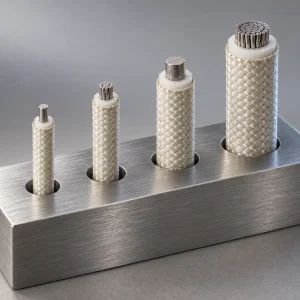
| Insulation — 24–12 AWG | Composite mica glass 17 mils min avg + Glass braid treated with silicone varnish or TFE finish 5 mils min avg |
| Insulation — 11–4 AWG | Composite mica glass 20 mils min avg + Glass braid treated with silicone varnish or TFE finish 10 mils min avg |
| Optional Shield | Stainless steel alloy 304 braid over treated glass braid |
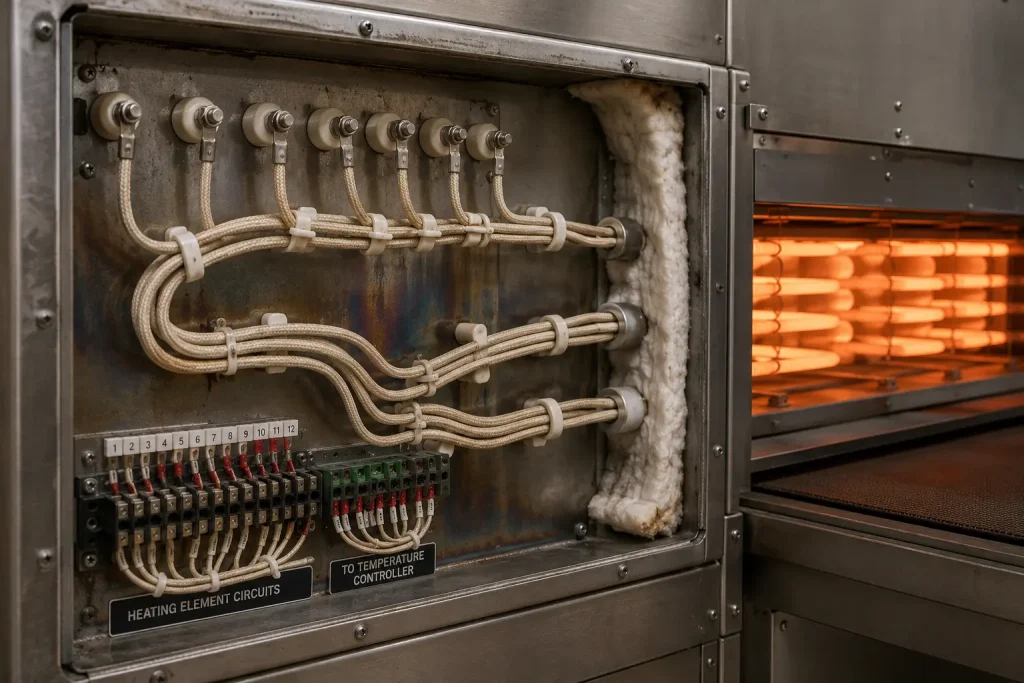
| Typical Use | Wiring of ovens or similar high-temperature equipment — protected from mechanical abuse, current-carrying capacity determined by UL (cableado de hornos industriales de alta temperatura) |
| Available Colors | Natural mica/glass (standard); custom on request |
| Standard Spool Length | 50 m / 100 m |
| MOQ | Contact for quote — consultar cotización |
Oven and High-Temperature Equipment Applications — Hornos Industriales en México
Style 5334’s explicit UL certification for oven wiring applications makes it the natural specification for México’s industrial baking, food processing, and industrial finishing equipment sectors:
- Industrial tunnel baking oven internal wiring — heating element terminal lead wiring, zone temperature controller signal circuits, and conveyor drive motor control wiring inside continuous tunnel baking ovens used in large-scale bread, biscuit, and tortilla production facilities across Jalisco’s food manufacturing corridor, where oven operating temperatures reach 250–350°C in the baking zones and wire routing paths adjacent to heating element zones experience sustained temperatures requiring 450°C-rated composite mica glass insulation for long-term reliability.
- Automotive powder coating cure oven wiring — internal wiring of powder coating cure ovens in automotive parts finishing lines across Baja California’s automotive component manufacturing cluster, where cure oven operating temperatures of 180–220°C combined with the sustained duty cycle of production operations create wire surface temperature conditions at heating element terminal routing paths that require mica insulation for safe long-term operation beyond the capability of silicone rubber alternatives at equivalent wall thickness.
- Food processing industrial dryer wiring — heating element leads and temperature sensor signal wiring inside forced-air industrial dryers used for fruit, vegetable, and seafood drying operations across Mexicali’s agricultural processing industry, where dryer internal temperatures at the heating zone reach 150–300°C and UL-recognized mica wire is specified for all internal wiring within the heated air circulation zone to satisfy food processing equipment safety and export compliance requirements for U.S. and European market equipment.
- Paint drying and industrial coating cure systems — internal wiring of infrared and convection paint drying ovens in metal fabrication and automotive body shop operations across Baja California’s manufacturing zone, where paint cure oven heating element leads operate at sustained high temperatures and the optional stainless steel 304 braid provides additional protection against the mild chemical vapors from curing paint resins that contact wire surfaces in the oven atmosphere.
Engineering Notes — Composite Mica Glass vs. Pure Mica Tape Construction
Composite mica glass insulation — material distinction from pure mica tape: Style 5334 uses a composite mica glass insulation system — a co-processed combination of mica flake and glass fiber binder — rather than the pure mica tape wrapping used in Style 5107 and 5128. In pure mica tape construction, discrete mica tape layers are wrapped around the conductor in overlapping helical passes. In composite mica glass construction, the mica flake and glass fiber are combined during the insulation manufacturing process into a unified sheet material that is then applied to the conductor. The result is a more mechanically cohesive insulation layer — the glass fiber reinforcement within the composite prevents mica flake delamination and provides better adhesion between insulation layers than pure mica tape wrapping, particularly at the layer overlap zones. This improved cohesion translates to better resistance to insulation cracking during the wire coiling and uncoiling that occurs during installation and routing in oven wiring applications.
UL current-carrying capacity determination requirement: Style 5334’s use classification includes a specific requirement that current-carrying capacity must be determined by Underwriters Laboratories for each application — not assumed from standard NEC ampacity tables. This requirement exists because the thermal environment in oven wiring applications is fundamentally different from standard installation conditions: the wire routing environment itself is at elevated temperature, dramatically altering the effective ampacity compared to open-air standard conditions. When specifying Style 5334 for a new oven design, submit the application for UL review with the actual wire routing temperature data from the oven thermal model before finalizing conductor AWG selection. CableApex can assist with UL application documentation preparation as part of the technical support package for new oven equipment designs.
Thinner glass braid vs. Style 5128 at equivalent AWG: At 24–12 AWG, Style 5334 specifies a 5-mil minimum average glass braid compared to Style 5128’s 7-mil glass braid at the same AWG range. The 2-mil reduction in glass braid thickness combined with the 17-mil composite mica glass layer (versus 5128’s 15-mil mica layer) results in a similar overall insulation build but with a different balance between the mica/composite layer and the glass braid layer. In oven applications where the glass braid is primarily serving as an insulation stabilizer and handling protection layer rather than a primary mechanical shield, the thinner 5-mil braid of Style 5334 is appropriate — provided the wire routing path is protected from mechanical abuse as required by the UL use classification.
Stainless steel braid option for paint cure oven atmospheres: In paint drying and powder coating cure oven applications where curing resin vapors, solvent flash-off, and coating chemistry by-products contact the wire surface, the optional stainless steel alloy 304 braid over the glass braid provides a chemically inert metallic barrier that protects the glass fiber layer from chemical attack. Glass fiber has moderate resistance to organic solvent vapors but is susceptible to degradation from certain acidic or alkaline coating chemistry by-products over extended service life — the stainless steel braid eliminates this vulnerability for paint and coating cure oven wiring applications.
Related UL Styles for Comparison
UL 5334 oven wiring buyers commonly cross-reference: UL 5128 (450°C / 300V mica tape, pure mica tape alternative at same temperature-voltage class with slightly different insulation build), UL 5335 (450°C / 600V mica glass braid, higher voltage class for oven power circuits exceeding 300V), UL 5360 (200–450°C / 300V mica tape single conductor, alternative construction at same voltage class), and UL 3071 (200°C / 600V silicone rubber, for oven wiring applications where 200°C thermal rating is sufficient and flexibility is required).
Request a Quote — Solicitar Cotización
Submit your AWG, stainless steel braid requirement, spool format, and annual volume estimate below. Our bilingual team responds with a formal cotización within 24 business hours. Wire samples and UL application documentation support available upon request.