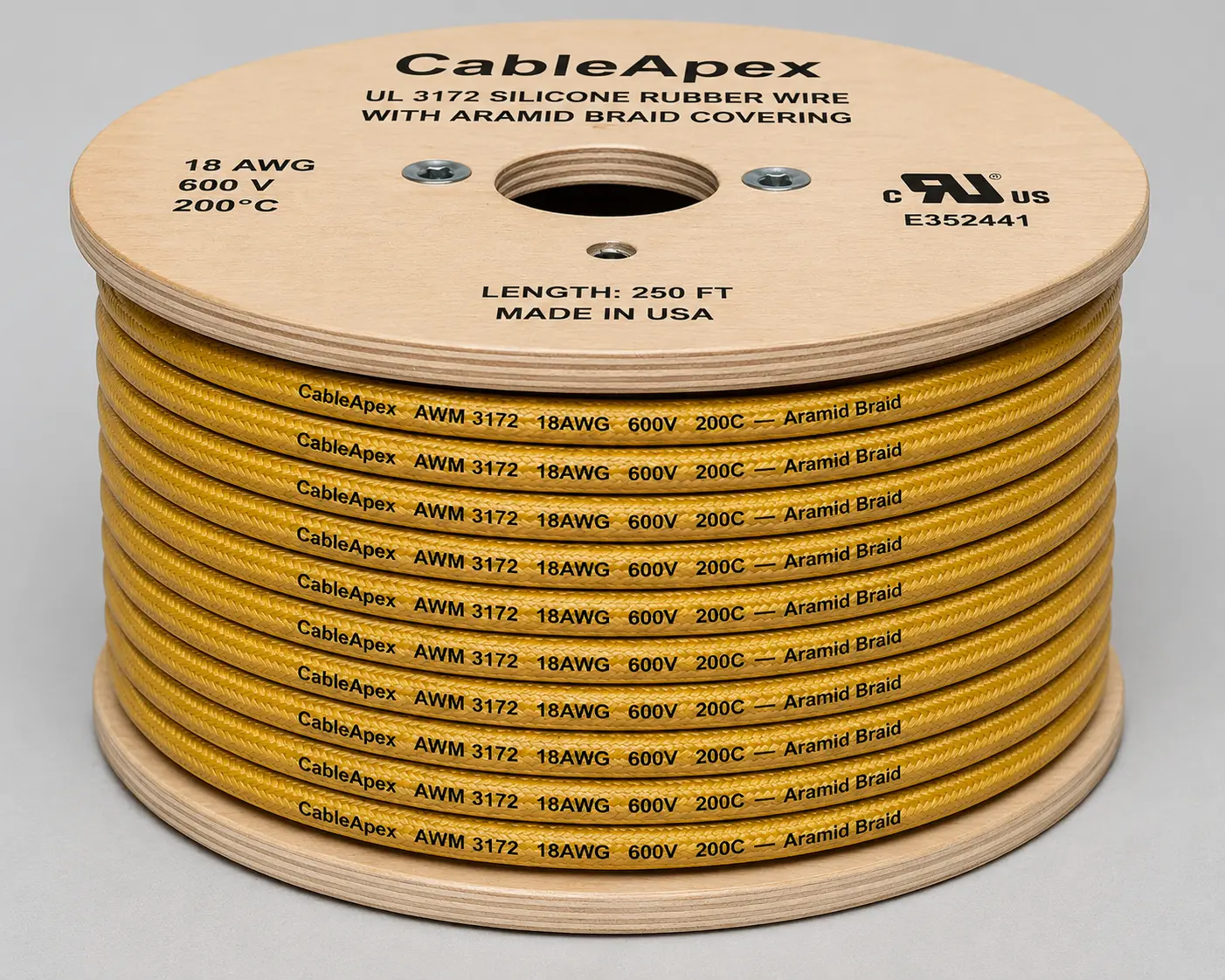
UL 3172 — Heavy-Duty Covering for Mechanically Demanding Applications
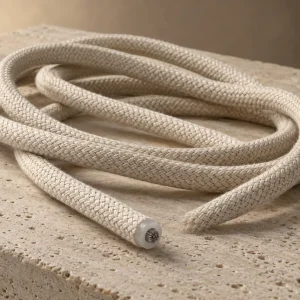
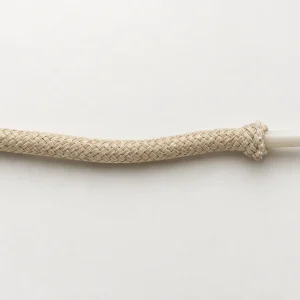
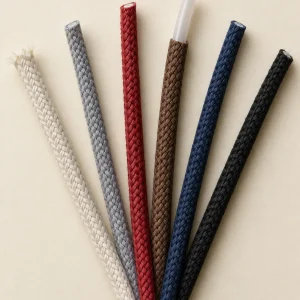
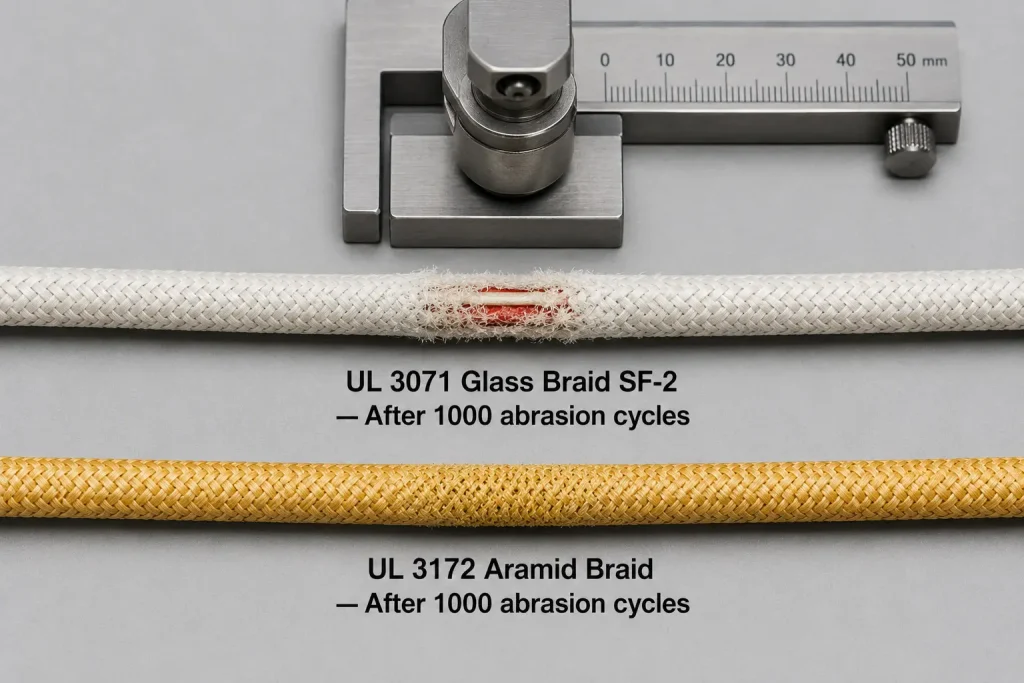
UL 3172 offers two covering options in its UL Subject 758 listing: lacquered glass braid or lacquered aramid braid. The aramid (Kevlar) option is what distinguishes UL 3172 from other silicone Styles — aramid fibers provide significantly higher abrasion resistance, tensile strength, and puncture resistance than fiberglass alone. For German engineers searching UL 3172 braid silicone rubber Draht kaufen Deutschland, this Style is specified when standard silicone wire mechanical protection (UL 3071 SF-2 covering or UL 3122 lacquered braid) is insufficient for the application’s mechanical environment.
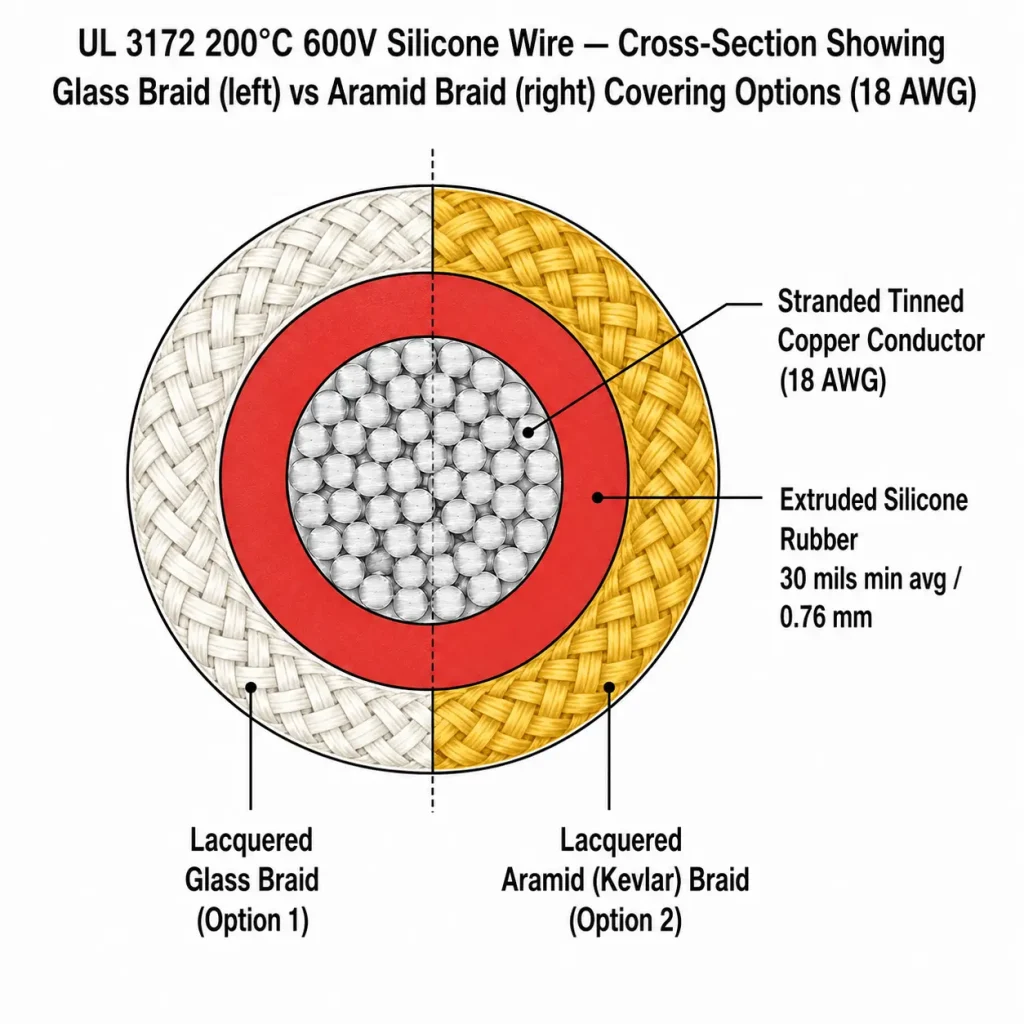
Lacquered Glass Braid vs Lacquered Aramid Braid
| Property | Lacquered Glass Braid | Lacquered Aramid (Kevlar) Braid |
|---|---|---|
| Abrasion Resistance | Moderate | Excellent (3-5x glass braid) |
| Tensile Strength | Moderate | Very high |
| Puncture Resistance | Moderate | High |
| Cost Premium over Glass | 0 (reference) | 40-60% higher |
| Typical Application | Moderate mechanical exposure | Severe mechanical exposure, repeated handling |
The choice between glass and aramid covering depends on the specific mechanical environment. For most German industrial applications, lacquered glass braid provides adequate protection at lower cost. Aramid braid is justified for the most demanding mechanical environments — repeated cable flexing, severe abrasion, or installations where wire damage during service would cause significant equipment downtime.
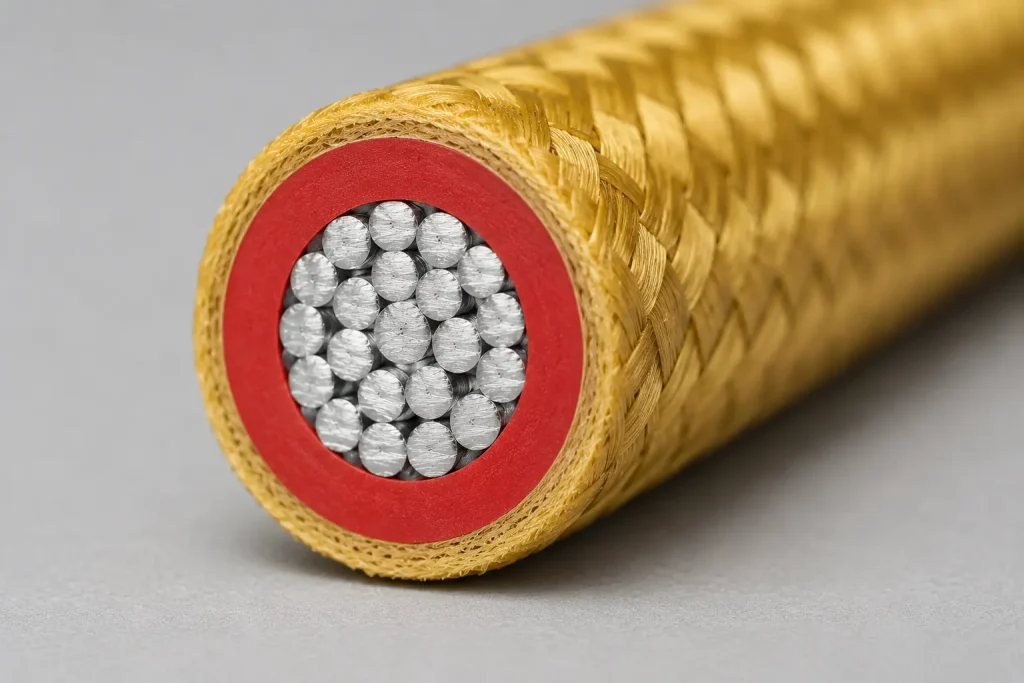
UL 3172 Applications
German Industrial Robot Cable Management — German robotics manufacturers (KUKA, ABB Germany, Festo) producing industrial robots for North American factory automation use UL 3172 with aramid braid for the wire harness routing through articulating robot arms. The aramid covering survives the millions of cable flex cycles over robot service life that would abrade through fiberglass or SF-2 coverings.
German Welding Equipment Cable Assemblies — German welding equipment manufacturers (Fronius, EWM, Rehm) producing TIG, MIG, and plasma welding equipment for North American industrial customers use UL 3172 for cable connections between the power source and the welding torch handle. The aramid braid handles the abrasion of cables dragged across factory floors during welder positioning.
German Mining and Heavy Industrial Equipment — German manufacturers producing mining equipment, heavy industrial vehicles, and tunneling equipment for global markets use UL 3172 for internal wiring in equipment compartments exposed to vibration, fine particulate contamination, and routine mechanical disturbance during service. The aramid braid provides the abrasion resistance for these harsh environments.
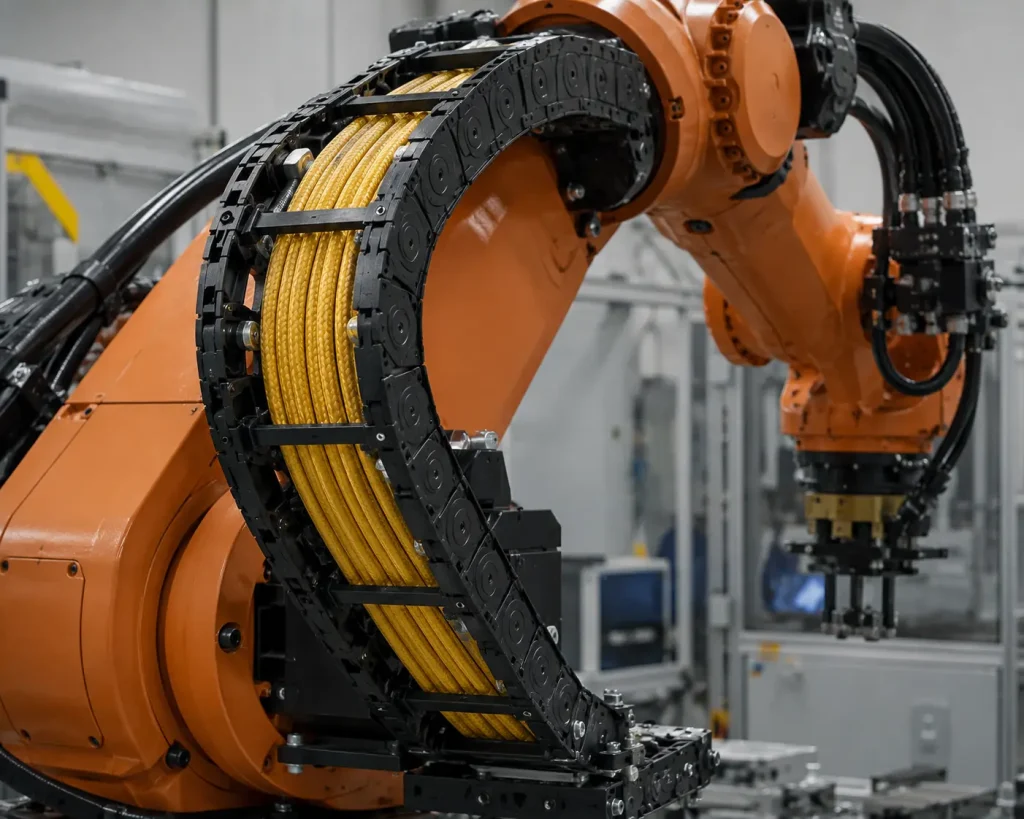
UL 3172 Specifications
| Parameter | Value (per UL Subject 758) |
|---|---|
| UL Style | AWM 3172 |
| AWG Range | 26 AWG – 18 AWG, solid or stranded |
| Conductor Material | Bare or tinned copper |
| Voltage Rating | 600V AC |
| Temperature Rating | 200°C continuous |
| Insulation | Extruded silicone rubber (SR) |
| Insulation Wall | 30 mils (0.76 mm) min avg / 27 mils (0.69 mm) min at any point |
| Covering Option 1 | Lacquered glass braid |
| Covering Option 2 | Lacquered aramid (Kevlar) braid |
| Flame Rating | Horizontal Flame per UL Subject 758 |
| Designated Use | Internal Wiring of Appliances |
| Compliance | UL Subject 758 (AWM), RoHS, REACH |
| Marking | CableApex · UL AWM 3172 · AWG · 600V · 200°C |
Engineering Notes from CableApex
- “How do I order UL 3172 with aramid vs glass braid?” Specify in the order: “UL 3172 with lacquered glass braid” or “UL 3172 with lacquered aramid braid”. The aramid option carries 40-60% cost premium and slightly longer lead time (35-40 days vs 25-30 days) due to specialty aramid yarn procurement. For first-time orders requiring aramid covering, contact us for current aramid yarn availability and lead time.
- “Can UL 3172 cable be used in robot cable carriers (energy chains)?” Yes — this is one of the primary applications for aramid-covered UL 3172. The aramid braid survives the repeated bending and abrasion in energy chain installations far better than fiberglass alternatives. For high-flex applications expecting millions of cycles, aramid covering is essential. Specify minimum bend radius based on the cable’s overall diameter (typically 8-10x diameter for repeated flexing).
- “Cost comparison: UL 3172 aramid vs alternatives?” UL 3172 with aramid braid typically costs 1.4-1.6x UL 3172 with glass braid, and 1.7-2.0x UL 3071 with SF-2 covering. The aramid premium reflects specialty aramid yarn cost (typically 8-12x fiberglass yarn cost) and slower braiding line speed for aramid. For applications truly needing aramid’s mechanical performance, the premium is justified; for less demanding mechanical environments, glass braid or UL 3071 SF-2 provides better cost economics.
MOQ, Packaging & Shipping
MOQ varies by AWG, color, covering type (glass vs aramid), and production schedule. Aramid-covered orders typically require higher MOQ (5,000m minimum) due to specialty yarn setup. Standard packaging: spools or reels per customer specification. Export documentation: Commercial Invoice, Packing List, Certificate of Origin (CCPIT), Bill of Lading, UL Recognition reference letter, RoHS Declaration, REACH SVHC Declaration, MSDS. HS Code: 8544.49. CIF Hamburg or Rotterdam, transit time 25–30 days (glass braid) or 35-40 days (aramid braid) from Shanghai or Ningbo origin port.
Related UL Silicone Styles
UL 3172 buyers commonly cross-reference: UL 3071 (200°C / 600V silicone + SF-2 covering, 18-13 AWG — less robust covering at lower cost), UL 3135 (200°C / 600V silicone, no covering, 26-12 AWG — for totally enclosed applications without mechanical exposure), UL 3122 (200°C / 300V silicone + lacquered braid, 26-16 AWG — lower voltage entry-level), and UL 1659 (250°C / 600V PTFE, 26-4/0 AWG — fluoropolymer alternative for higher temperature with chemical resistance).