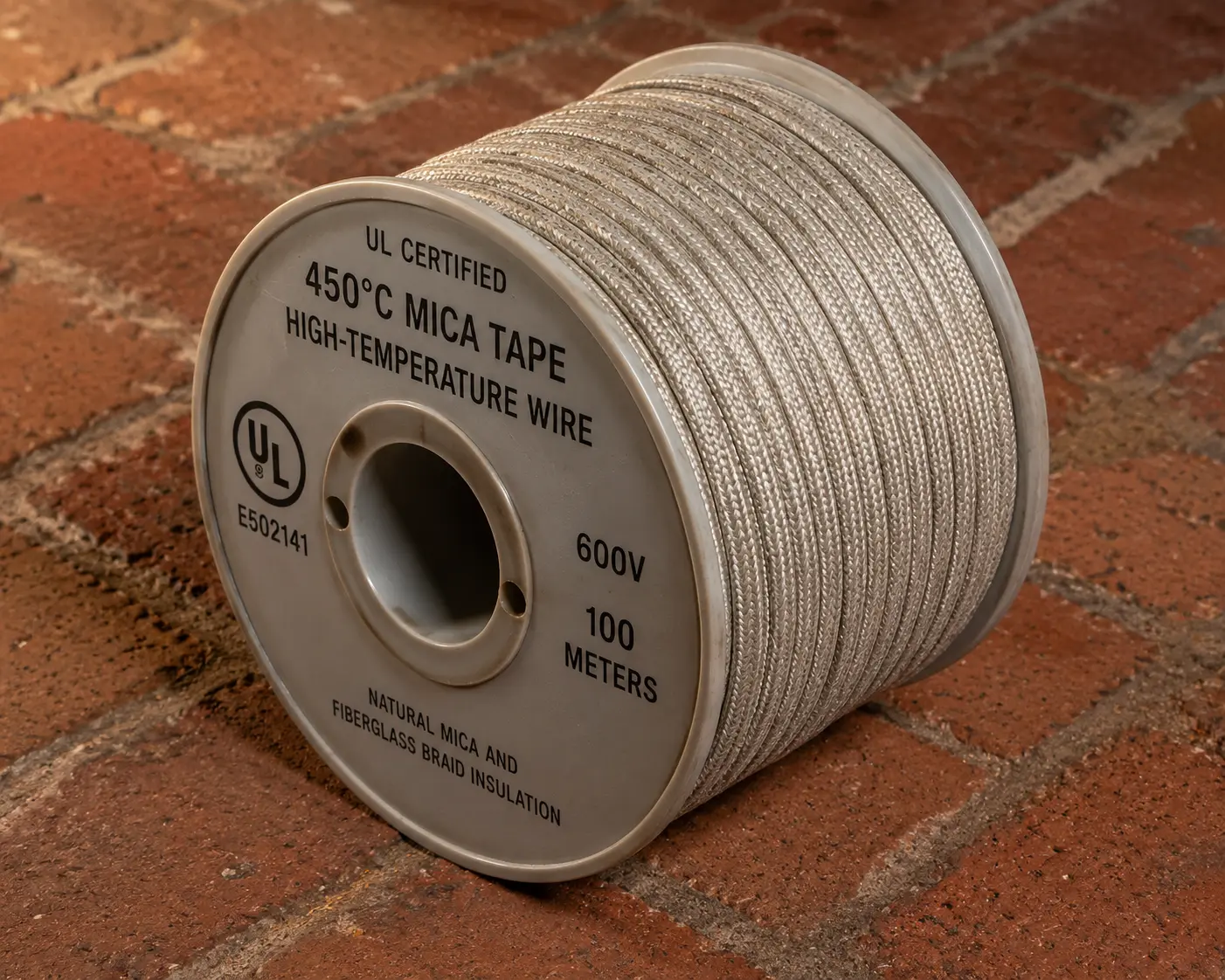
UL 5107 Mica Tape Wire — 200–450°C / 600V, Glass Braid — Alta Temperatura Industrial México
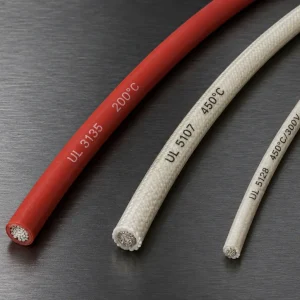
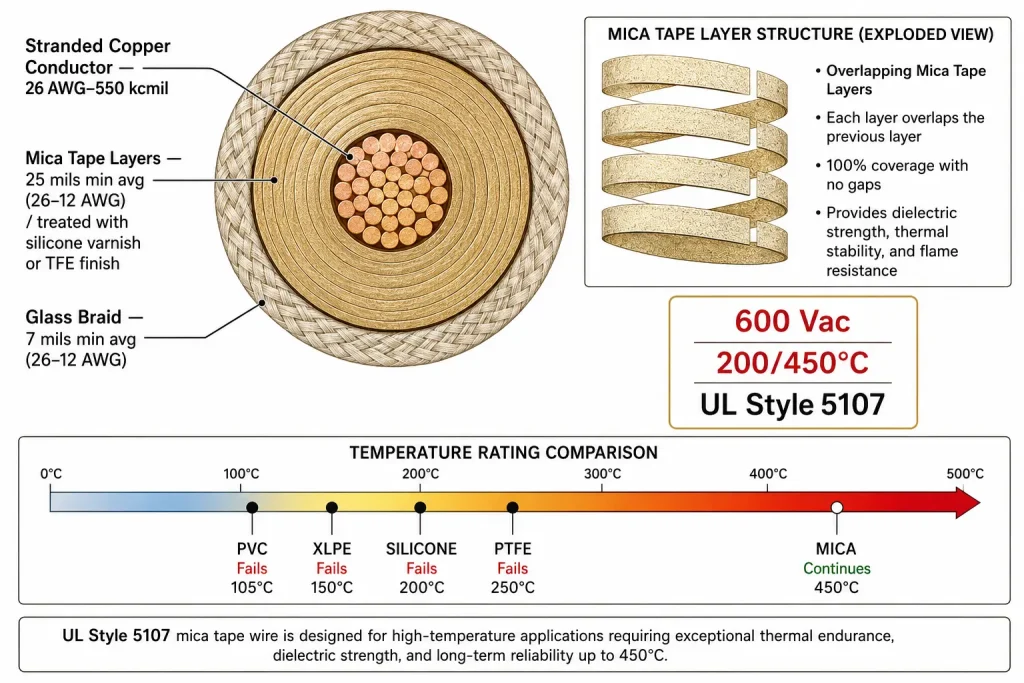
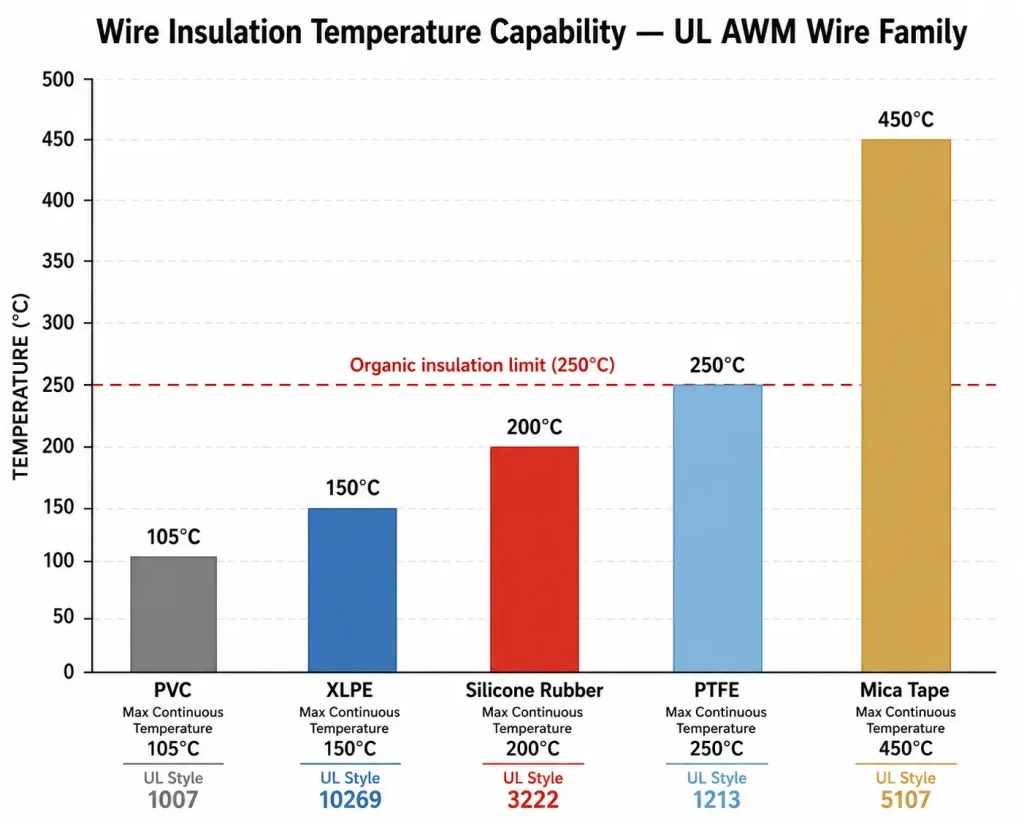
Style 5107 represents the upper boundary of wire insulation capability within the UL Subject 758 AWM family — mica tape insulation rated for 200°C or 450°C continuous operation at 600 Vac. At 450°C, this wire operates in a thermal range where every organic insulation material used in standard wire construction has long since failed: PVC softens above 105°C, XLPE degrades above 150°C, silicone rubber reaches its limit at 200°C, and even PTFE — the highest-rated fluoropolymer — reaches its ceiling at 250°C. Mica, as an inorganic mineral insulation material, maintains its dielectric integrity at temperatures that destroy all polymer-based alternatives.
For Mexican industrial equipment importers serving the glass manufacturing, aluminum smelting, and ceramic kiln sectors, Style 5107 is not a premium wire option — it is the only wire option for internal wiring in equipment where sustained operating temperatures exceed 250°C. CableApex exports this specialty wire with full UL documentation and the technical support needed to specify the correct AWG, insulation thickness tier, and optional construction for each high-temperature application.
Technical Specifications — UL Style 5107
| Parameter | Value |
|---|---|
| UL Style | 5107 |
| UL Subject | 758, Section 5 |
| Temperature Rating | 200°C or 450°C |
| Voltage Rating | 600 Vac |
| Flame Rating | Horizontal flame |
| AWG / Size Range | 26 AWG – 550 kcmil (solid or stranded 26–8 AWG; stranded only above 8 AWG) |
| Conductor | Solid or stranded copper |
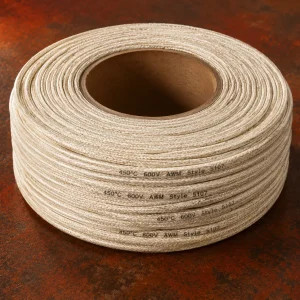
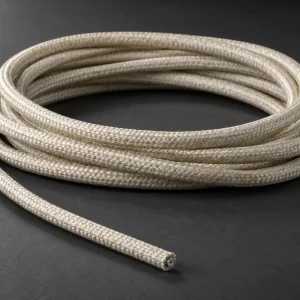
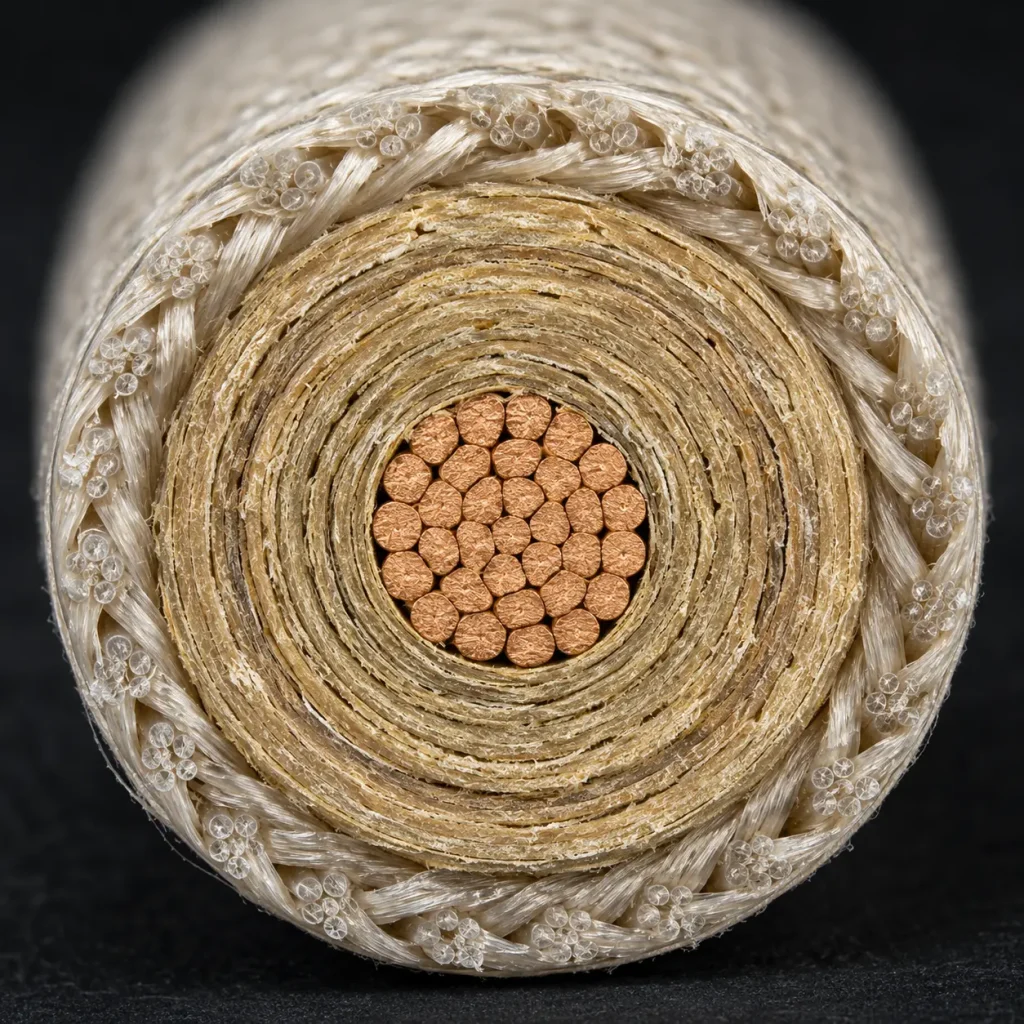
| Insulation System | Mica tape with glass braid, or mica composite with glass braid |
| Insulation — 26–12 AWG | Mica 25 mils min avg + Glass braid 7 mils min avg |
| Insulation — 11–4 AWG | Mica 30 mils min avg + Glass braid 15 mils min avg |
| Insulation — 3–4/0 AWG | Mica 35 mils min avg + Glass braid 20 mils min avg |
| Insulation — 250–550 kcmil | Mica 40 mils min avg + Glass braid 20 mils min avg |
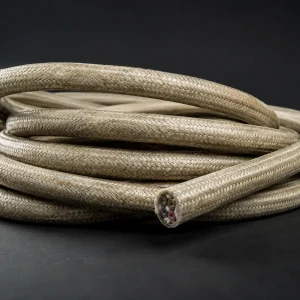
| Optional Assembly | Multi-conductor cabled, max OD 1.500 inches; mica glass binder and/or fiberglass fillers |
| Optional Shield | 36–30 AWG strands |
| Optional Covering | Treated glass braid over assembly |
| Typical Use | Internal wiring of high-temperature equipment — not subjected to repeated flexing or mechanical abuse (cableado interno de alta temperatura — sin flexión repetida) |
| Available Colors | Natural mica/glass (standard); custom on request |
| Standard Spool Length | 50 m / 100 m / 200 m |
| MOQ | Contact for quote — consultar cotización |
Engineering Notes — Mica Insulation: The Inorganic Thermal Barrier
Why mica works where polymers fail: All organic polymer insulation materials — PVC, XLPE, silicone rubber, FEP, PTFE — share a fundamental limitation: they are carbon-chain based materials that decompose, oxidize, or pyrolyze at sustained high temperatures. The decomposition temperature varies by material, but the mechanism is universal. Mica is fundamentally different — it is a naturally occurring inorganic silicate mineral with a crystalline layered structure that maintains its physical and dielectric properties at temperatures exceeding 600°C. In wire insulation applications, mica is applied as overlapping tape layers that provide a continuous inorganic dielectric barrier around the conductor. Even if the glass braid treatment and binder materials partially degrade at sustained 450°C, the mica layer itself maintains structural and insulating integrity — this is why mica-insulated wire is also used in fire-survival cable construction where the wire must function during and after a fire event.
200°C vs. 450°C rating — selecting the correct grade: Style 5107 covers two temperature rating tiers under the same style number. The 200°C grade uses a mica composite insulation system with specific binder and treatment materials that maintain integrity to 200°C. The 450°C grade uses a higher-grade mica tape system with glass braid treated with silicone varnish or TFE finish capable of surviving 450°C continuous operation. When specifying Style 5107, confirm with the equipment manufacturer the maximum sustained wire surface temperature in the specific routing position — not the equipment operating temperature, which may be significantly higher at the heat source than at the wire routing path. Specify the 450°C grade for all applications where wire surface temperature under any operating condition exceeds 200°C.
Not rated for repeated flexing — static routing only: The mica tape insulation system is inherently brittle compared to polymer insulations — repeated bending cycles crack and fragment the mica layers, degrading dielectric integrity progressively with each flex cycle. Style 5107 is explicitly rated for static internal wiring not subjected to repeated flexing or mechanical damage. In high-temperature equipment designs where wire routing paths require flexing — door hinges, sliding access panels, moving furnace components — alternative constructions must be evaluated. For moderate-temperature flex applications, fine-wire construction mica cables with specialized binder systems are available outside the standard AWM style family.
Multi-conductor assembly option: Style 5107 permits two or more insulated conductors to be cabled together with a maximum overall diameter of 1.500 inches, with mica glass binder and fiberglass fillers in the assembly interstices and an optional overall treated glass braid. This multi-conductor option enables the construction of high-temperature cable assemblies for applications requiring multiple circuit conductors in a single routed cable — reducing installation labor and improving routing organization in complex high-temperature equipment wiring systems.
Extreme Temperature Applications — Alta Temperatura Industrial en México
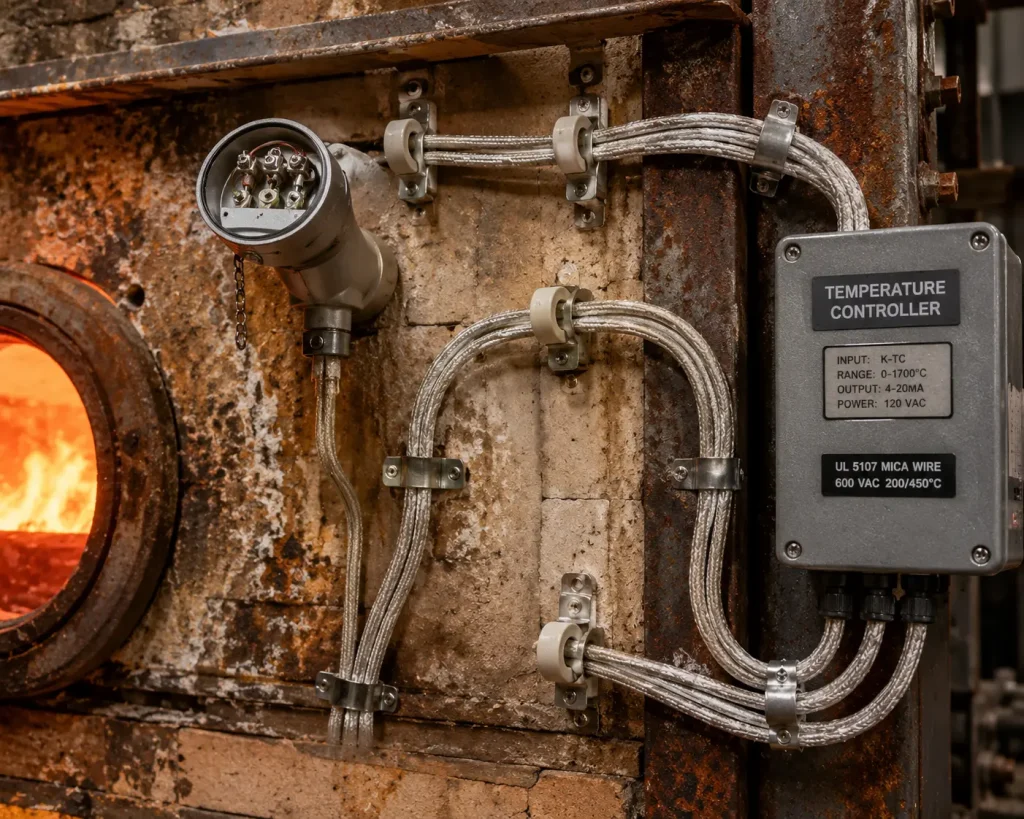
Style 5107 serves internal wiring applications in México’s heavy industrial and materials processing sectors where sustained operating temperatures exceed the capability of all organic insulation wire families:
- Glass melting furnace internal wiring — thermocouple lead wires, heating element terminal connections, and temperature controller circuit wiring inside glass melting tanks and forehearth zones in glass manufacturing facilities across Nuevo León and San Luis Potosí’s industrial glass sector, where furnace operating temperatures reach 1200–1500°C and wire routing paths adjacent to furnace structure experience sustained 300–450°C surface temperatures requiring mica insulation as the only viable wire specification.
- Aluminum smelting and holding furnace wiring — internal wiring of aluminum melting and holding furnaces in secondary aluminum production operations across Monterrey’s metal recycling and aluminum casting sector, where furnace wall and roof penetration wire routing paths experience sustained temperatures in the 400–450°C range and where mica tape wire is the standard industry specification for all internal electrical circuits in proximity to the furnace hot zone.
- Industrial ceramic and porcelain kiln wiring — heating element lead wiring and kiln atmosphere control circuit wiring in tunnel kilns and periodic kilns used in ceramic tile, technical ceramics, and porcelain manufacturing operations across Oaxaca and San Luis Potosí’s ceramics industry corridor, where kiln firing temperatures reach 1000–1300°C and mica-insulated wire is required for all internal wiring in the kiln heating zone and car tunnel sections.
- High-temperature press and forging equipment wiring — internal wiring of induction heating systems, hot forging press platens, and die heating circuits in automotive forging and hot stamping operations across Monterrey’s automotive Tier 1 supplier base, where die and platen surface temperatures in the 200–450°C range require mica-insulated wire for all internal heating circuit connections and thermocouple extension leads in the heated tooling zone.
Related UL Styles for Comparison
UL 5107 mica tape buyers commonly cross-reference: UL 5128 (450°C / 300V mica tape, lower voltage alternative for 300V-rated high-temperature circuits), UL 5335 (450°C / 600V mica with glass braid, alternative mica construction for high-temperature internal wiring), UL 5476 (450°C / 600V mica tape, updated mica tape construction with revised insulation thickness requirements), and UL 1659 (250°C / 600V PTFE, highest-rated fluoropolymer for applications below 250°C where organic insulation remains viable).
Request a Quote — Solicitar Cotización
Submit your AWG, temperature rating (200°C or 450°C), optional assembly configuration, spool format, and annual volume estimate below. Our bilingual team responds with a formal cotización within 24 business hours. Wire samples available for high-temperature qualification testing upon request.