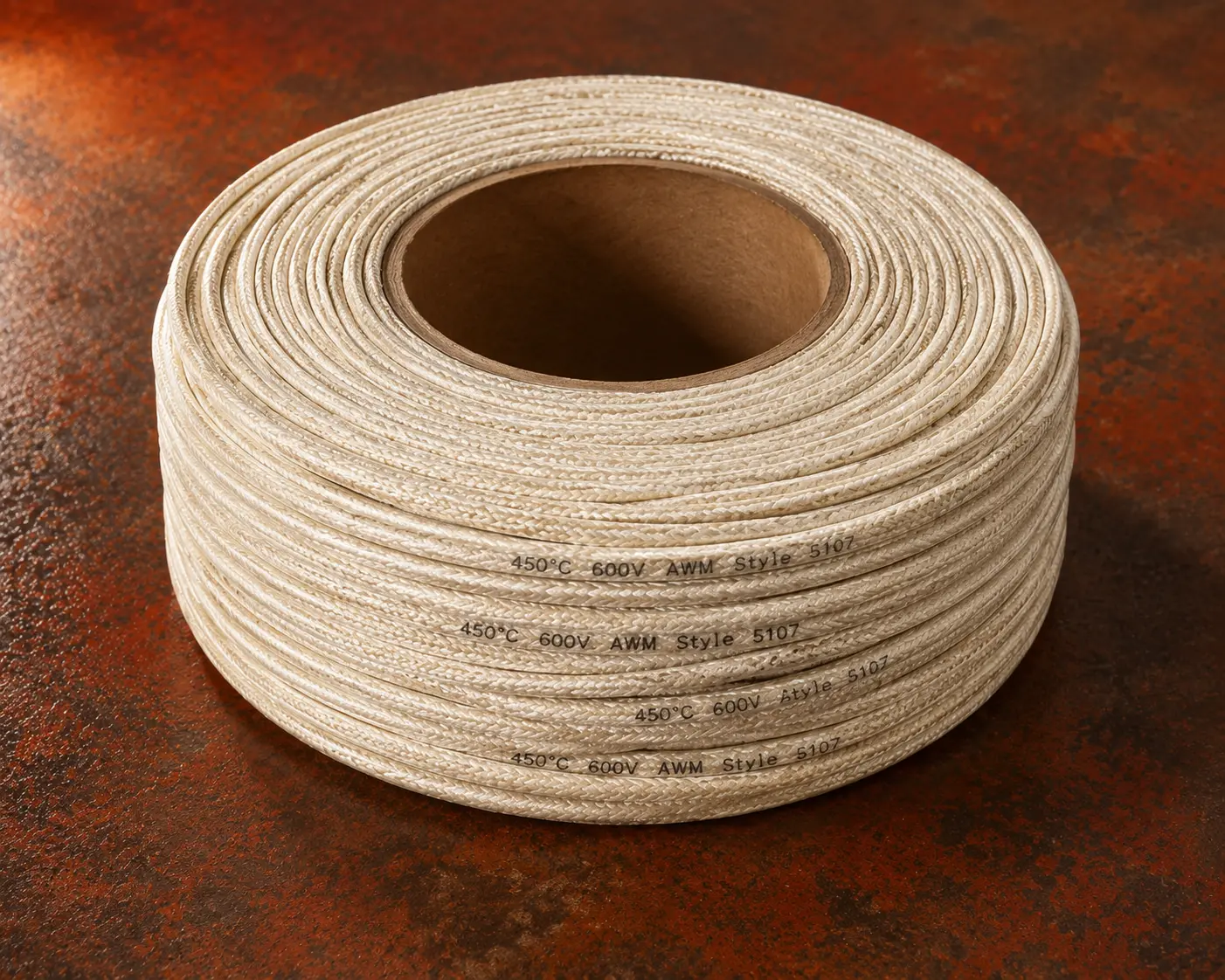
UL 5107 Mica Wire Turkey — 200°C or 450°C / 600V for Bursa & Kocaeli Industrial Furnace OEMs
Turkey’s industrial furnace, ceramic kiln, and heat treatment equipment manufacturing sector — concentrated in Bursa’s industrial zones, Kocaeli’s heavy industry corridor, and Istanbul’s equipment manufacturing clusters — produces high-temperature industrial equipment for both domestic use and export to North American and European markets. Internal wiring of this equipment at wire surface temperatures above 200°C requires mica insulation — the only UL AWM construction that maintains dielectric integrity at 300–450°C where silicone rubber, PTFE, and all other polymer insulations have permanently failed.
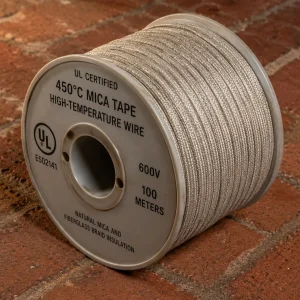
Style 5107 — mica tape with glass braid, rated 200°C or 450°C and 600V under UL Subject 758 — is the standard UL AWM mica wire construction covering the complete range of industrial furnace and kiln internal wiring applications from 26 AWG signal leads through 550 kcmil heavy power conductors. CableApex supplies Style 5107 directly to Turkish industrial equipment OEMs and distributors with complete UL documentation, 12-hour quote response, and CIF Istanbul shipping.
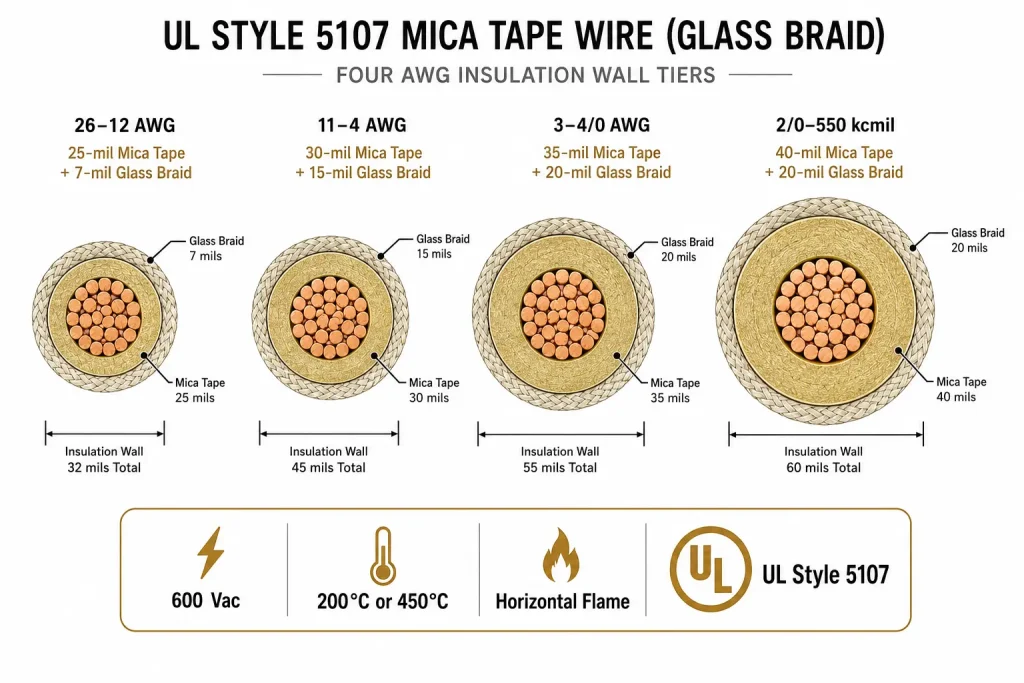
Technical Specifications — UL Style 5107
| Parameter | Value |
|---|---|
| UL Style | 5107 |
| UL Subject | 758, Section 5 |
| Temperature Rating | 200°C or 450°C |
| Voltage Rating | 600 Vac |
| Flame Rating | Horizontal flame |
| AWG Range | 26 AWG – 550 kcmil, solid or stranded |
| Conductor | Solid or stranded copper (nickel-plated option available) |
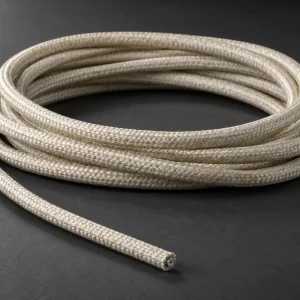
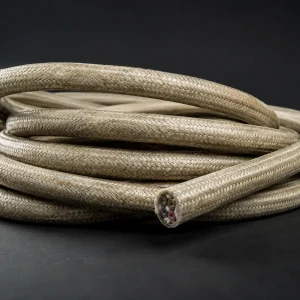
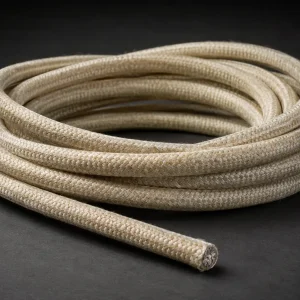
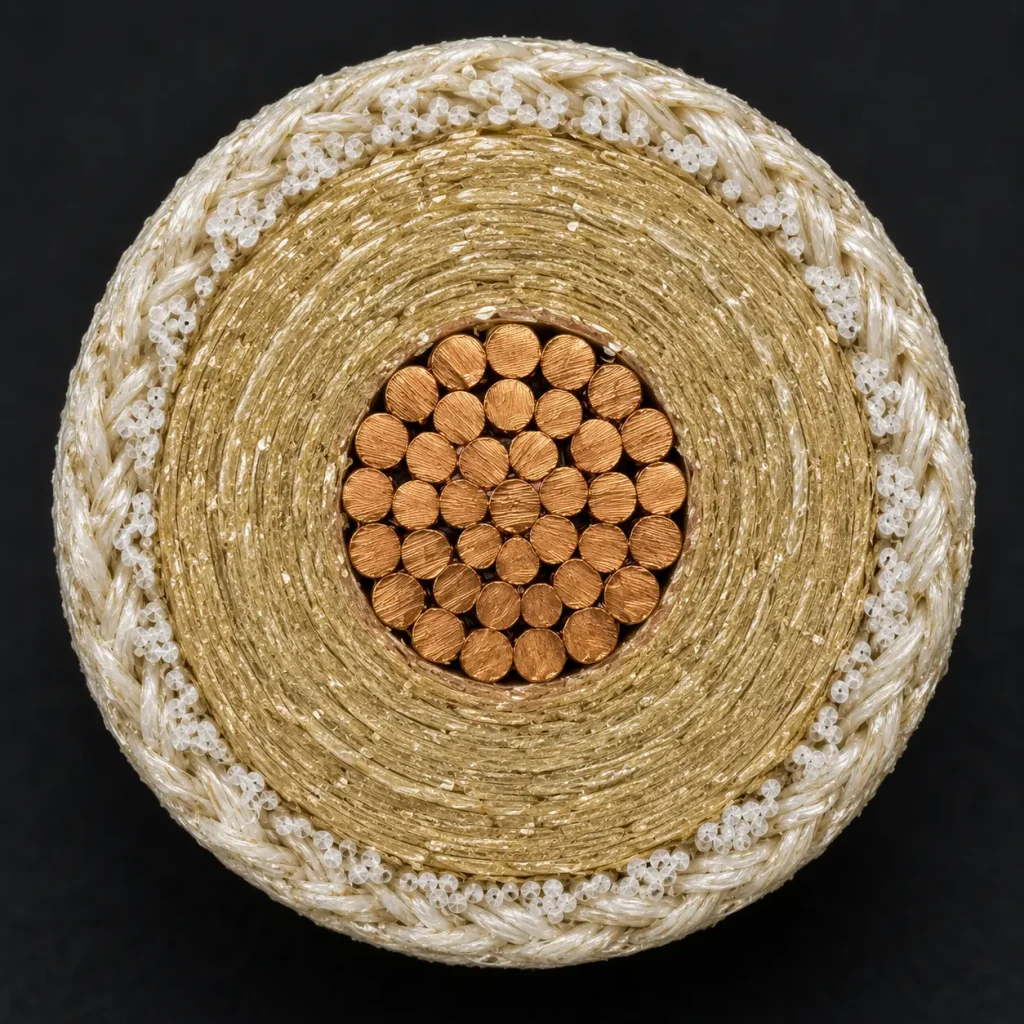
| Insulation System | Non-extruded mica tape with treated glass braid |
| Insulation — 26–12 AWG | Mica 25 mils min avg + Glass braid 7 mils min avg |
| Insulation — 11–4 AWG | Mica 30 mils min avg + Glass braid 15 mils min avg |
| Insulation — 3–4/0 AWG | Mica 35 mils min avg + Glass braid 20 mils min avg |
| Insulation — 2/0–550 kcmil | Mica 40 mils min avg + Glass braid 20 mils min avg |
| Optional Shield | Nickel or nickel-coated copper braid |
| Installation Type | Static — not suitable for repeated flexing |
| UL Recognition | UL Recognized Component — file on record |
| MOQ | 100 meters |
| Quote Response | 12 hours |
Turkey Industrial Furnace Sector — Why UL 5107 Is the Required Specification
Turkey’s industrial heating equipment manufacturing sector produces a significant range of heat treatment furnaces, ceramic kilns, glass annealing equipment, and industrial process heaters for both domestic industrial customers and export markets. Turkish industrial equipment manufacturers exporting to North American markets — or supplying multinational manufacturers operating facilities in Turkey that require North American specification equipment — encounter the same UL internal wiring requirement that applies globally: internal wiring of high-temperature equipment must carry UL AWM recognition under UL Subject 758.
For wire routing positions inside industrial furnaces and kilns where wire surface temperatures reach 200–450°C, there is only one UL AWM wire family that provides the required thermal performance: mica tape insulated wire under Section 5 of UL Subject 758. Style 5107 is the most widely specified style in this family — covering the full AWG range from fine instrumentation leads through heavy power conductors at 600V and 450°C rating.
Turkey’s ceramic tile and sanitaryware manufacturing sector — one of the world’s largest, concentrated in Bursa, Kütahya, and Çanakkale — operates large tunnel kilns and periodic kilns requiring mica-insulated internal wiring for heating element leads and thermocouple wiring in the 300–450°C hot zone. Turkish manufacturers of these kiln installations increasingly specify UL AWM wire for export-specification kilns and for domestic installations serving multinational ceramic manufacturers with global equipment specification standards.
High-Temperature Application Categories for Turkish Buyers
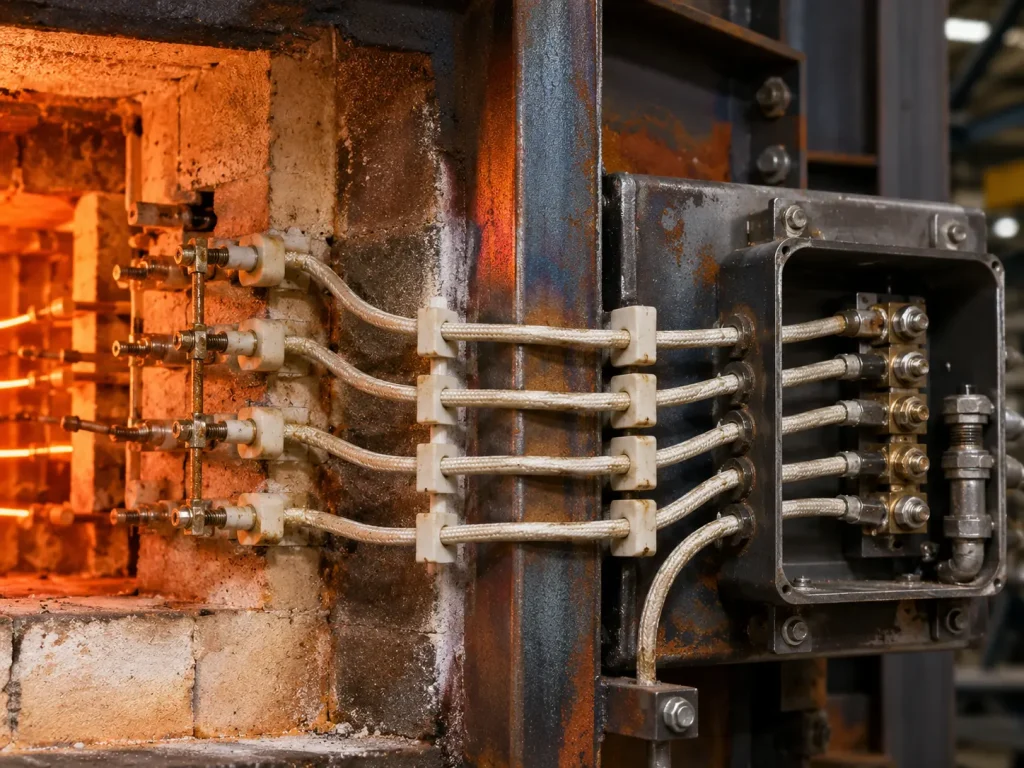
- Industrial heat treatment furnace internal wiring — heating element terminal leads, thermocouple wiring, and atmosphere valve control circuit connections in vacuum heat treatment furnaces, atmosphere annealing furnaces, and carburizing furnaces manufactured in Bursa and Kocaeli for export to North American automotive and aerospace heat treatment facilities, where wire surface temperatures in the furnace hot zone reach 300–450°C and UL AWM mica wire recognition is required throughout the internal wiring system.
- Ceramic kiln heating element leads — resistance heating element terminal connection leads and thermocouple extension wiring inside ceramic tunnel kilns and periodic kilns manufactured for Turkey’s domestic ceramics industry and for export, where sustained operating temperatures of 900–1200°C in the kiln firing zone create wire routing positions with ambient temperatures of 300–450°C at the element terminal connection points requiring mica insulation throughout the hot zone wiring.
- Glass annealing and tempering furnace wiring — internal wiring of glass annealing lehrs and tempering furnaces manufactured by Turkish glass processing equipment suppliers, where wire surface temperatures at element terminal routing positions reach 300–400°C and mica-insulated UL AWM wire is required for the heating circuit internal connections throughout the furnace hot zone.
- Industrial process heater and dryer internal wiring — heating element leads, thermostat circuit wiring, and zone control connections in industrial air heaters, process dryers, and infrared heating panels manufactured across Turkey’s industrial equipment sector for export to North American industrial facilities, where sustained wire surface temperatures of 200–350°C in the heating element proximity zone require mica-fiberglass insulation beyond the 200°C ceiling of silicone rubber wire.
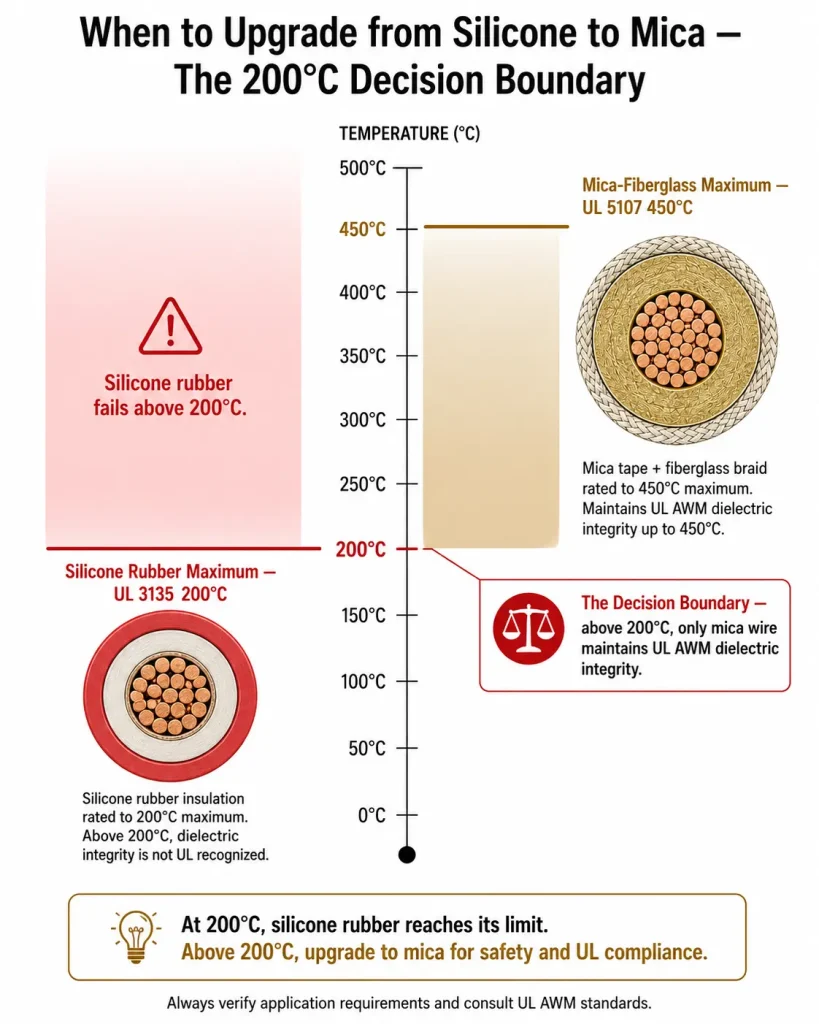
Engineering Notes — When to Upgrade from Silicone to Mica
The 200°C decision boundary: The selection between silicone rubber wire (UL 3135, 200°C) and mica wire (UL 5107, 450°C) for Turkish industrial equipment OEMs is determined by the actual wire surface temperature at the specific routing position — not the furnace operating temperature. In most industrial furnace designs, the wire exits the hot zone through a thermal barrier before connecting to external control circuits. At the thermal barrier exit point, wire surface temperature drops rapidly. Only the wire section inside the hot zone — directly adjacent to heating elements or routed through the high-temperature zone — requires mica insulation. Wire outside the thermal barrier typically operates well below 200°C and can use silicone rubber or PVC insulation.
Nickel-plated conductor for oxidizing atmospheres: In furnace applications where the internal atmosphere is oxidizing — air atmosphere heat treatment, ceramic kilns, glass annealing — the copper conductor of the heating element lead is exposed to oxidizing conditions at the element terminal connection point. Standard bare copper oxidizes rapidly above 200°C in oxidizing atmospheres, increasing conductor resistance and generating heat at the connection point. Nickel-plated copper conductor maintains stable conductivity in oxidizing atmospheres up to 450°C — specify the nickel-plated conductor option for all Style 5107 applications in oxidizing furnace atmospheres.
Static installation only: Mica tape insulation is not flexible — it will crack and delaminate if the wire is bent or flexed after installation in the hot zone. Route Style 5107 wire in its final position before the furnace reaches operating temperature, with all bends formed at room temperature. Minimum bend radius at installation: 10× the overall wire diameter. Do not flex or reposition mica wire after thermal cycling.
Request a Quote — Turkey Industrial Furnace Wire Supply
Submit your temperature grade (200°C or 450°C), AWG, nickel-plated conductor requirement, spool format, and annual volume estimate below. Our team responds with a formal quotation within 12 business hours. Wire samples available for furnace installation qualification testing. CIF Istanbul and FOB Shanghai shipping terms available.