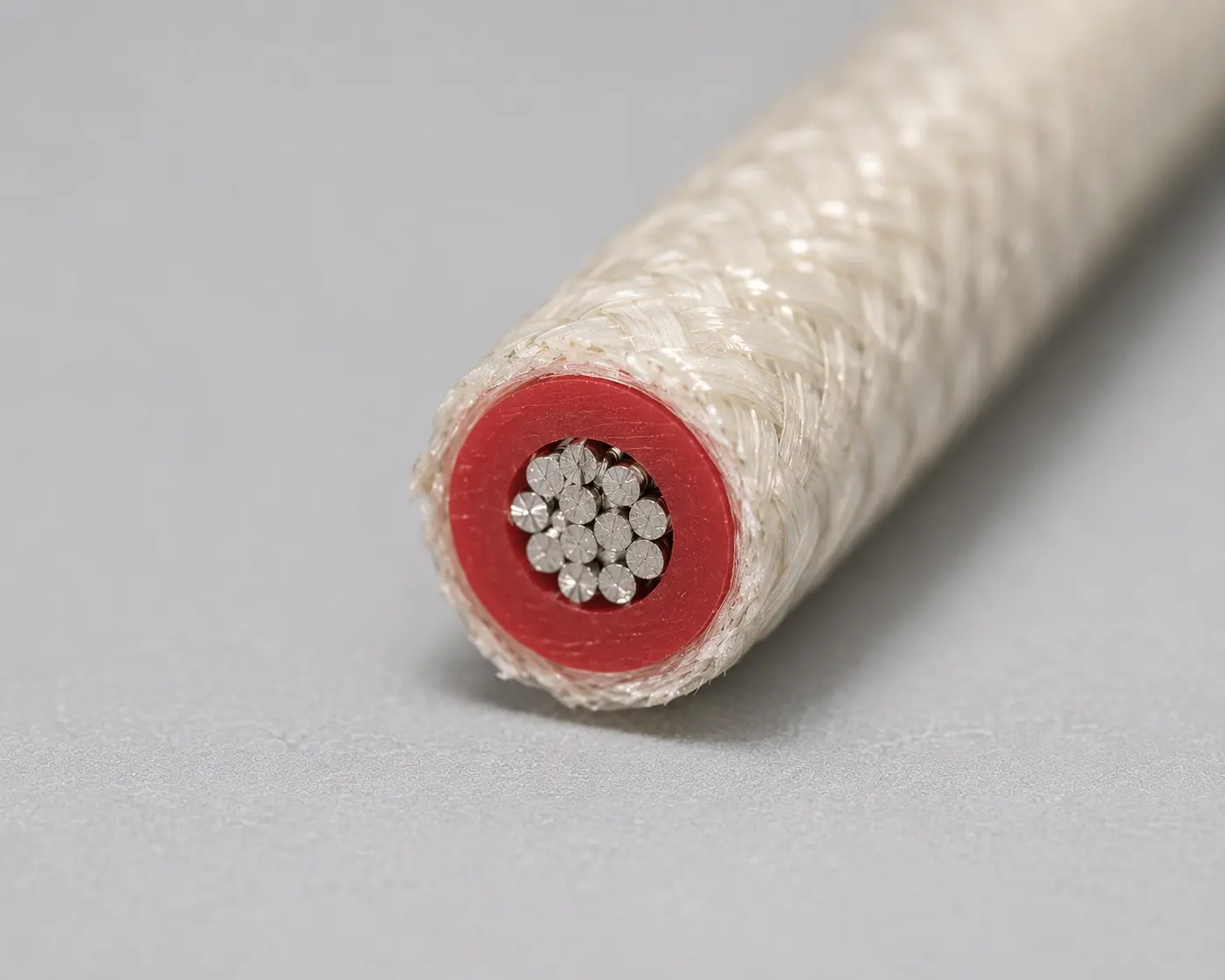
UL 3122 — Entry-Level in the Silicone Rubber Family
Within CableApex’s silicone rubber wire portfolio, UL 3122 occupies the entry-level position. The Style covers a narrow AWG range (26 AWG to 16 AWG), uses the lowest voltage rating (300V), and the thinnest insulation wall (15 mils) of all silicone Styles produced. For German engineers searching UL 3122 200C SR Draht Deutschland, this Style serves applications where silicone rubber’s 200°C temperature rating is needed but the application doesn’t require the higher voltage or thicker construction of UL 3071, UL 3135, or UL 3172.
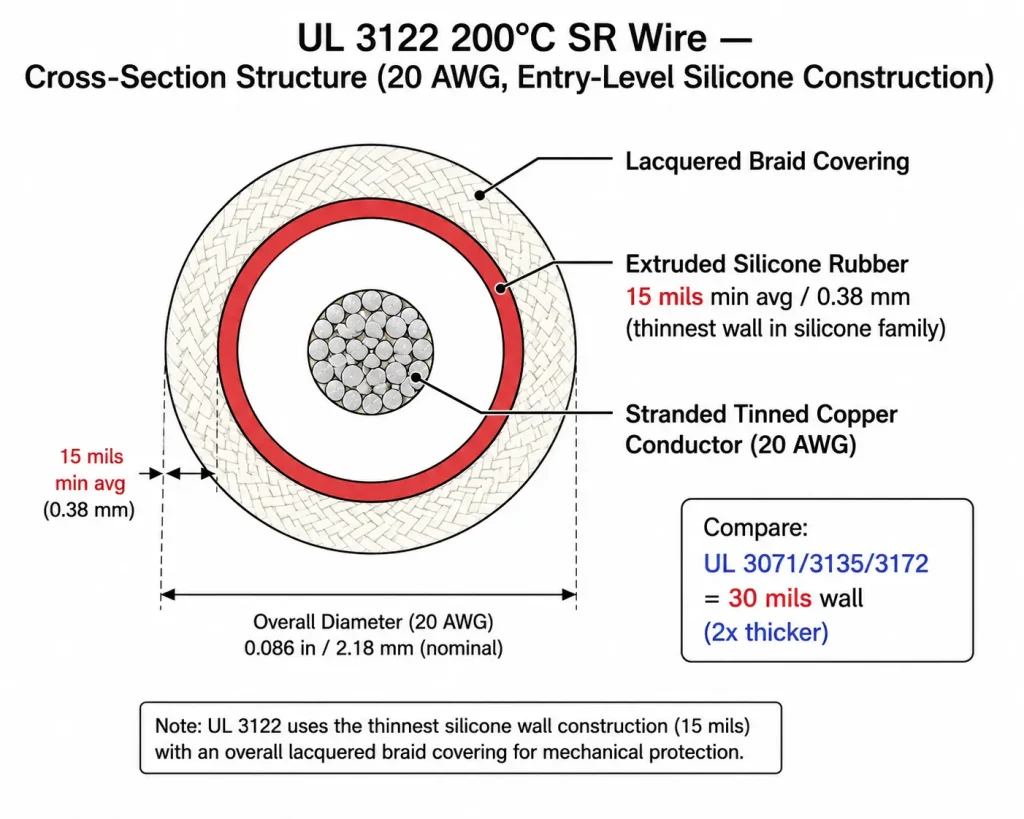
UL 3122 vs Other Silicone Styles
| UL Style | Voltage | AWG Range | Insulation Wall | Covering |
|---|---|---|---|---|
| UL 3122 | 300V | 26-16 AWG | 15 mils | Lacquered braid |
| UL 3071 | 600V | 18-13 AWG | 30 mils | SF-2 (UL 66) covering |
| UL 3135 | 600V | 26-12 AWG | 30 mils | No covering specified |
| UL 3172 | 600V | 26-18 AWG | 30 mils | Glass/aramid braid |
UL 3122’s positioning is clear: choose it when 300V is sufficient (most signal/control applications), 26-16 AWG range covers your AWG needs, and the thinner wall + lacquered braid construction meets mechanical requirements.
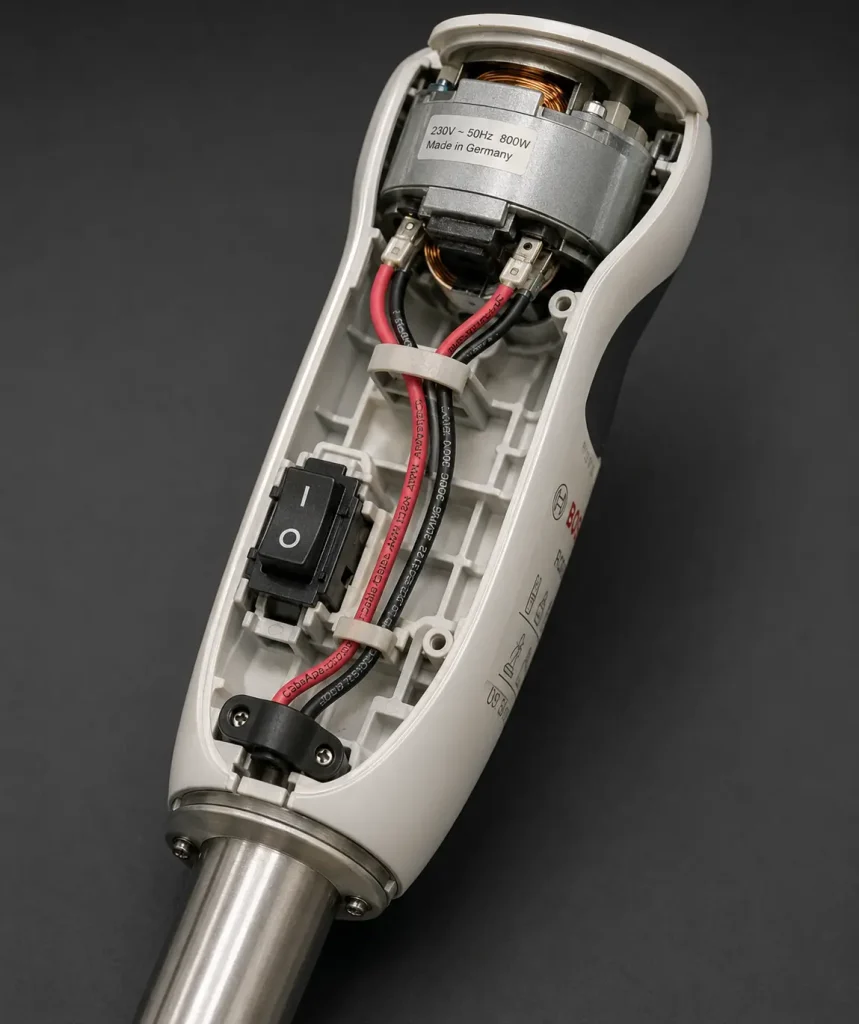
UL 3122 in German Compact Appliance Applications
Compact Kitchen Appliances — German manufacturers producing handheld kitchen appliances (immersion blenders, hand mixers, food processors) for North American distribution use UL 3122 for internal motor-to-switch wiring routed through the appliance handle. The 200°C rating handles motor heat; the 300V voltage covers 120V residential supply with margin.
Small Heating Tools — German manufacturers of compact heating tools (soldering irons, glue guns, small hot air guns) for the US hobbyist and professional market use UL 3122 for the wiring between handle switch and heating element. The thin 15 mils insulation keeps the wire flexible for handheld tool ergonomics.
Compact Personal Care Devices — German manufacturers producing small personal care devices (heated hair styling tools, electric razors with heating elements) for North American distribution use UL 3122 for internal wiring where the elevated temperature near heating components requires silicone but the small device size favors smaller-gauge thinner-wall wire.
UL 3122 Specifications
| Parameter | Value (per UL Subject 758) |
|---|---|
| UL Style | AWM 3122 |
| AWG Range | 26 AWG – 16 AWG, solid or stranded |
| Conductor Material | Bare or tinned copper |
| Voltage Rating | 300V AC |
| Temperature Rating | 200°C continuous |
| Insulation | Extruded silicone rubber (SR) |
| Insulation Wall | 15 mils (0.38 mm) min avg / 13 mils (0.33 mm) min at any point |
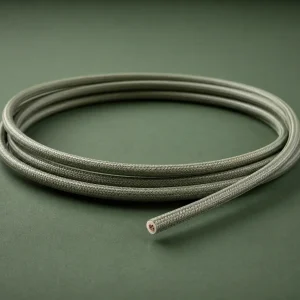
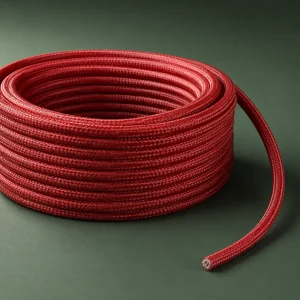
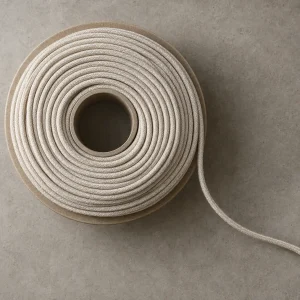
| Covering | Lacquered braid |
| Flame Rating | Horizontal Flame per UL Subject 758 |
| Designated Use | Internal Wiring of Appliances |
| Compliance | UL Subject 758 (AWM), RoHS, REACH |
| Marking | CableApex · UL AWM 3122 · AWG · 300V · 200°C |
Engineering Notes from CableApex
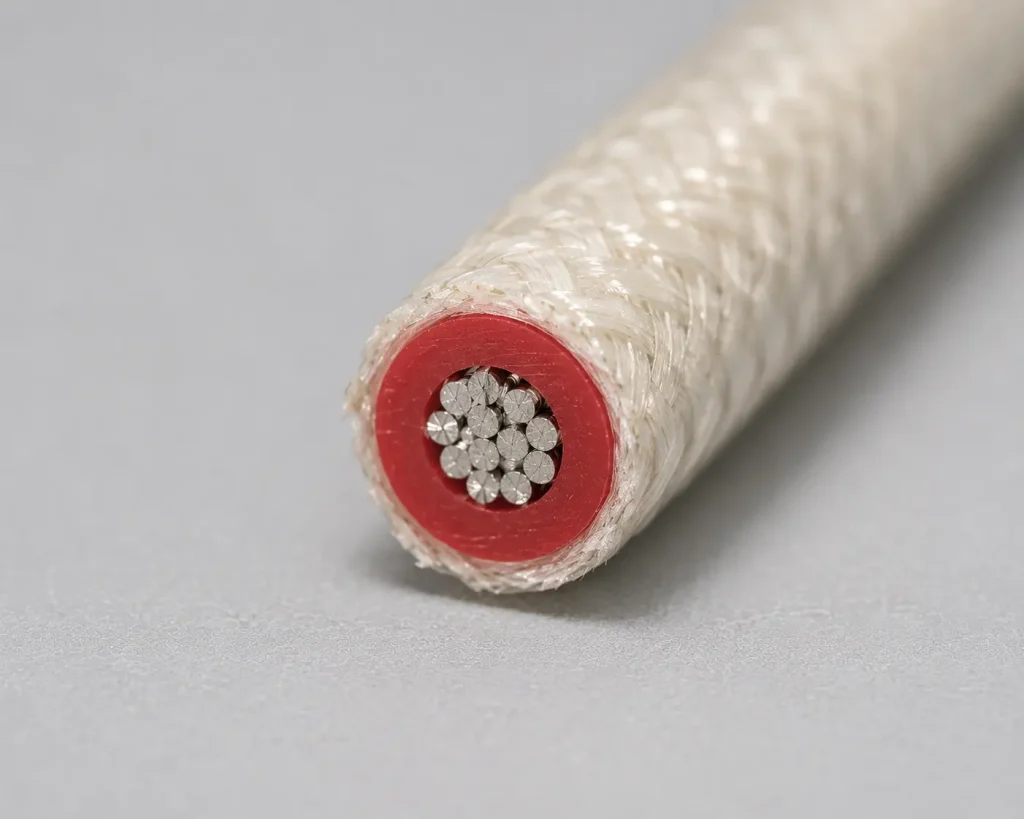
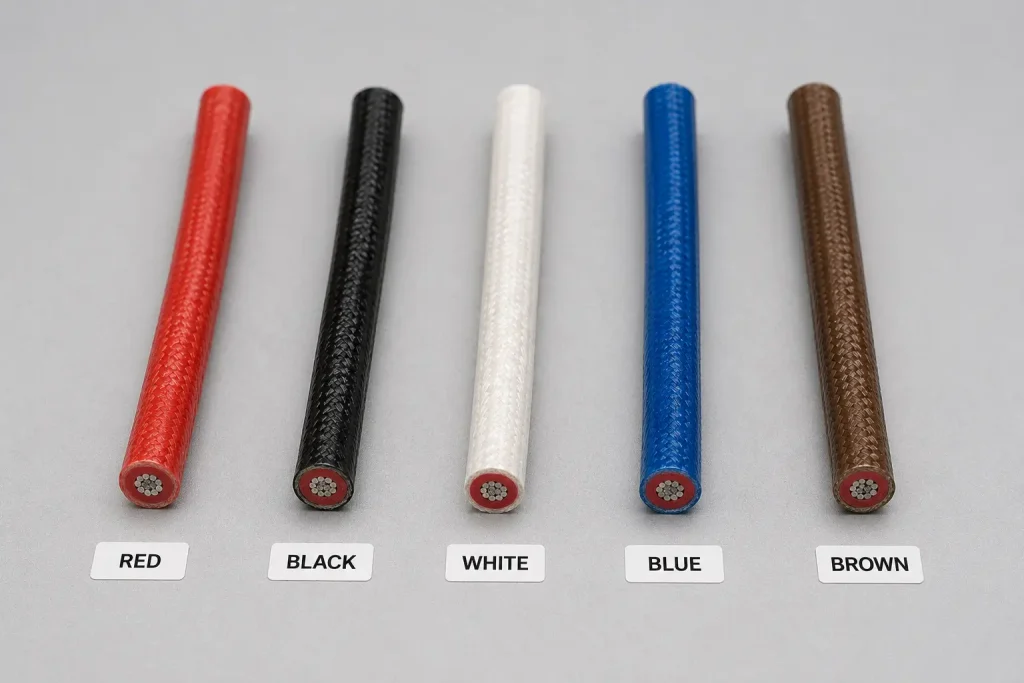
- “Lacquered braid vs glass braid covering — what’s the difference?” Lacquered braid is fiberglass braid coated with a clear lacquer (typically vinyl or phenolic) that fills the braid weave and creates a smoother outer surface. It provides moderate mechanical protection and a cleaner appearance. Glass braid alone (no lacquer) provides similar mechanical protection but with visible braid texture. SF-2-style covering (UL 3071) and glass/aramid braid (UL 3172) provide higher mechanical robustness for applications with severe mechanical exposure. UL 3122’s lacquered braid is appropriate for static internal appliance wiring without severe abrasion.
- “Can I use UL 3122 outside the 26-16 AWG range?” No. UL 3122 listing is specifically for 26-16 AWG. For larger gauges (15-12 AWG), UL 3135 (600V, 26-12 AWG) or UL 3071 (600V, 18-13 AWG) are the appropriate silicone Style choices. For smaller gauges below 26 AWG, no silicone Style in this temperature class covers smaller conductors — fluoropolymer or fine-gauge specialty wires are needed.
- “Cost comparison to PVC at the same gauge?” UL 3122 typically costs 1.8-2.5x UL 1015 PVC at equivalent AWG. The premium reflects silicone compound cost (5-8x PVC compound) and the lacquered braid covering. For applications where 105°C PVC is sufficient, UL 1015 is the cost-effective choice. UL 3122 makes sense when continuous service temperature exceeds 105°C and reaches into the 150-200°C range.
MOQ, Packaging & Shipping
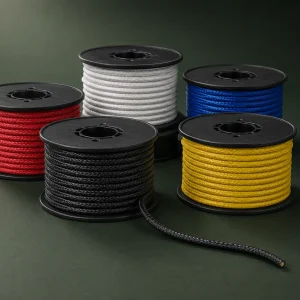
MOQ varies by AWG, color combination, and production schedule. UL 3122’s narrow AWG range typically results in shorter production runs and slightly higher per-meter setup amortization than wider-range Styles. Standard packaging: spools or reels per customer specification. Export documentation: Commercial Invoice, Packing List, Certificate of Origin (CCPIT), Bill of Lading, UL Recognition reference letter, RoHS Declaration, REACH SVHC Declaration, MSDS. HS Code: 8544.49. CIF Hamburg or Rotterdam, transit time 25–30 days from Shanghai or Ningbo origin port.
Related UL Silicone Styles
UL 3122 buyers commonly cross-reference: UL 3071 (200°C / 600V silicone + SF-2 covering, 18-13 AWG — higher voltage for heavier-duty appliances), UL 3135 (200°C / 600V silicone, 26-12 AWG — wider AWG range at 600V), UL 3172 (200°C / 600V silicone + glass/aramid braid, 26-18 AWG — more robust covering for mechanical exposure), and UL 1015 (105°C / 600V PVC, 30-2000 kcmil — PVC alternative for applications below 105°C).